AI-Hardware Exporters Are Living in a Different 2026 Economy
The IMF and UNCTAD describe a widening split: economies tied to chips and AI infrastructure are gaining momentum while many energy importers absorb the war shock.
Outspoken Digest Global Economics Desk
Sunday, August 2, 2026/2 min read
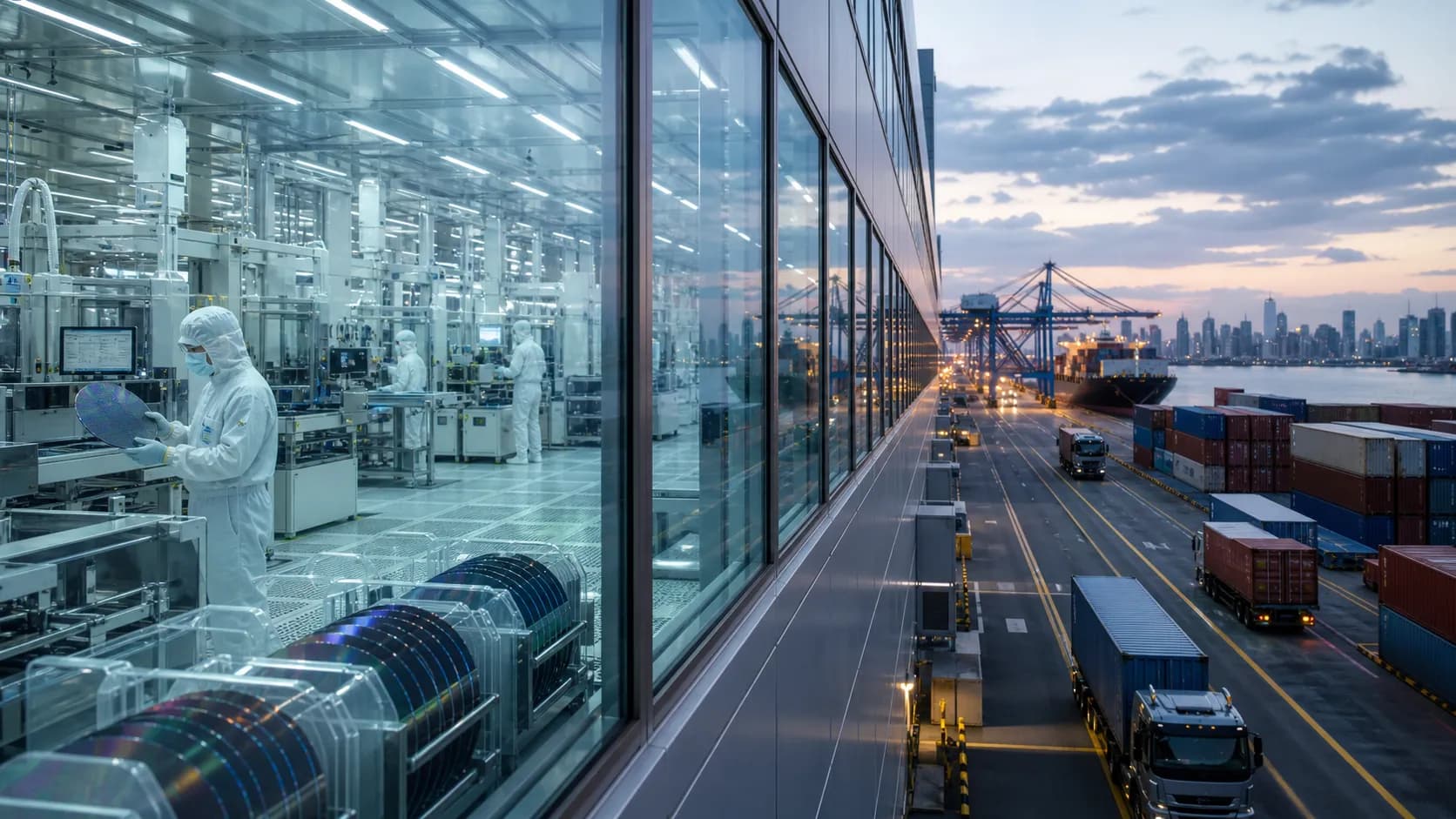
There is no single global economy in 2026. Countries integrated into AI hardware supply chains are experiencing a technology investment boom, while many energy importers are paying more for fuel, shipping and production. The divergence is changing trade balances, currencies and the map of industrial opportunity.
What the latest evidence says
The IMF projects global growth of 3 percent in 2026 and 3.4 percent in 2027, but says the stable aggregate conceals large differences. Its analysis identifies Korea, Malaysia, Taiwan and Thailand among leading AI-hardware exporters. UNCTAD reports first-quarter trade growth of 25 percent in semiconductors and 38 percent in critical minerals.
IMF July 2026 World Economic Outlook update provides the primary data and institutional assessment behind this report.
UNCTAD global trade update adds the second official reference used to compare the outlook and its risks.
Why this matters now
A country can now receive an AI dividend before deploying the technology widely at home. Demand for chips, memory, packaging, cooling and components supports factories and exports. Conversely, an economy importing both energy and technology equipment can face a double bill. That split influences fiscal room and the ability to invest in the next wave.
What to expect in the upcoming period
The advantage will persist while infrastructure spending remains strong, but countries need to convert the cycle into capabilities. Skills, supplier networks, reliable power and research determine whether today's export surge becomes durable productivity. Otherwise the benefit may fade when inventory normalizes or production shifts to another hub.
The risk inside the forecast
Concentration creates vulnerability to export controls, customer decisions and a semiconductor downturn. Technology trade can also inflate currencies and costs for unrelated industries. Policymakers should avoid treating a cyclical windfall as permanent revenue while still investing enough to remain competitive.
What readers should watch next
For investors, country labels such as emerging or advanced are becoming less informative than supply-chain position. The next period will reward economies connected to compute, power and high-value manufacturing. The central question is whether they use that position to broaden prosperity or remain dependent on a narrow set of factories and customers.
Published in The Outspoken Digest
Editorial desk
Outspoken Digest Global Economics DeskReports for The Outspoken Digest across Business.
Newsletter
The Digest, in your inbox
One edition, sent when it is ready. No noise, and your address is never passed on.
Read Next
More Business →
Jio Platforms Raises Rs 8,110 Crore From Anchors at the Top of Its Range as India's Biggest IPO Opens
Oct 21, 2026/2 min read

Netflix Beats on Profit, Then Slides After Hours as It Trims Its Ad Forecast and Guides Lower
Oct 21, 2026/2 min read

Wall Street Rebounds as AI Stocks Recover, With the Nasdaq Up 1.1% and the 10-Year Yield Above 5.15%
Oct 20, 2026/2 min read

CoreWeave Shares Fall 25 Percent in a Week as Its Bonds Flash Warning Signs for AI's Borrowers
Oct 18, 2026/2 min read