KLM, Finnair and Wizz Air Skip Dubai Until March as Lufthansa Pushes Its Return to 25 November
At least 16 non-Gulf airlines are still not flying to Dubai, Skift counts, while British Airways restarts on 3 November. Here is who is back, who is not, and what stranded passengers are offered.
Thursday, October 29, 2026/2 min read
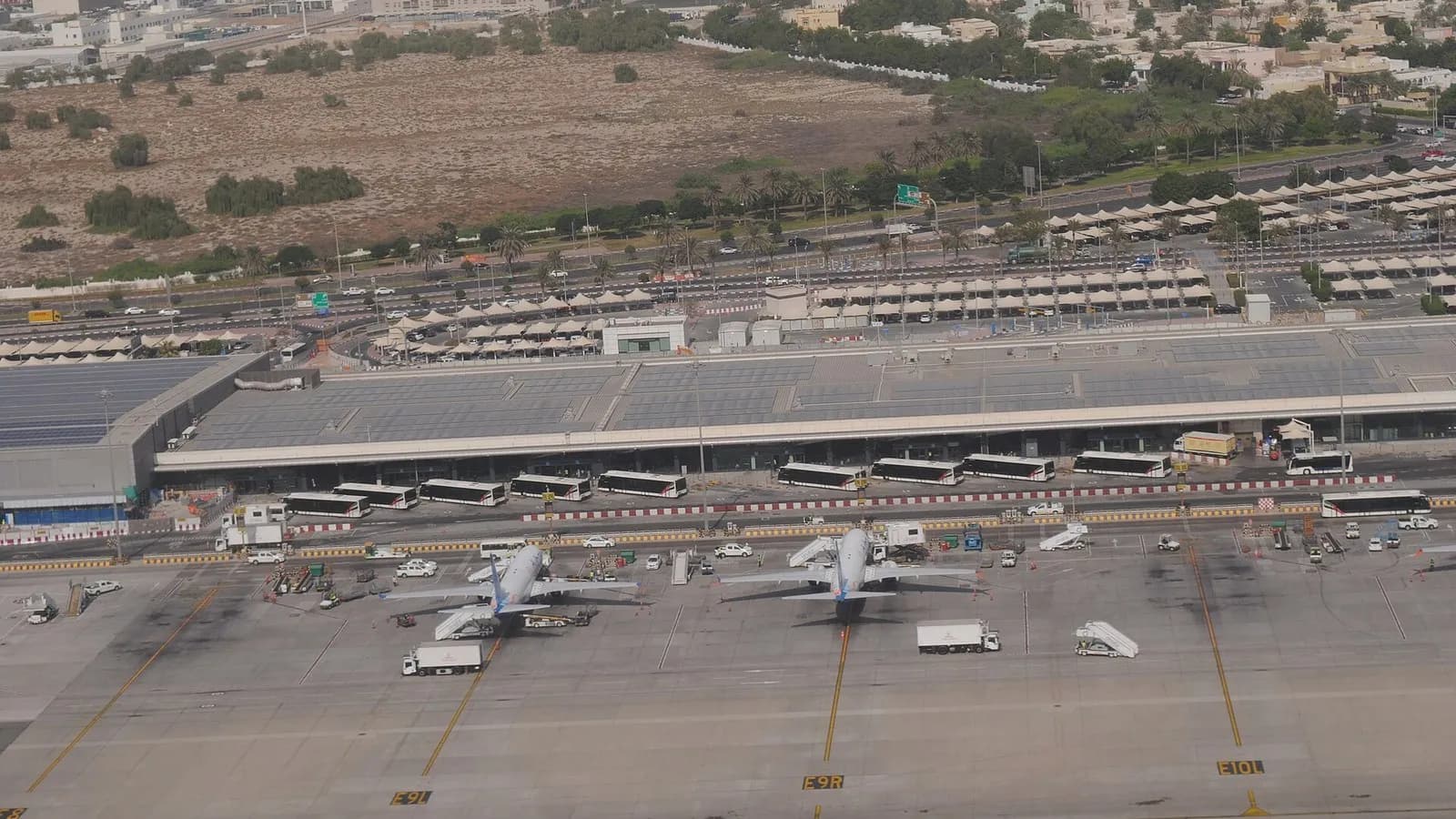
Planning a winter trip to Dubai on a European carrier now means checking the airline first. KLM has dropped Amsterdam to Dubai for the entire 2026/27 winter season, with flights off until 27 March 2027, DutchReview reported on 27 October, and the Lufthansa Group has pushed its return back again. Skift counts at least 16 non-Gulf airlines that are still not flying to the city, several of them not until the end of March.
The reason, as carriers give it, is the security situation in the Middle East. KLM described it to the Dutch broadcaster NOS as highly unpredictable and said a longer pause gives passengers certainty and frees aircraft for other routes. KLM's Riyadh and Dammam flights stay suspended until 27 November.
Which airlines are not flying to Dubai this winter?
According to Flight-Delayed, Lufthansa, SWISS and Eurowings announced on 23 October that they will postpone their return to Dubai until 25 November. Lufthansa and SWISS had planned to restart on 25 October and Eurowings on 1 November, and none has flown the route since March. Austrian Airlines, in the same group, plans to resume Vienna to Dubai on 12 December with five weekly flights. Finnair has cancelled Helsinki to Dubai until 27 March 2027, and Wizz Air has cancelled all Dubai flights until the same date.
Skift adds that United, Air Canada and Virgin Atlantic are also staying out until spring or later. The exception is British Airways, which plans to restart on 3 November.
What does it mean for Dubai's tourism?
Skift says the missing airlines matter because they supply long-haul travellers who fill luxury hotels counting on a winter rebound. It cites AirDNA data showing booked nights at Dubai short-term rentals down 36 percent year on year for November, 8 percent for December and 6 percent for January, and CoStar data showing UAE hotel occupancy down 12.3 points to 67.6 percent in September. Dubai International itself is running close to full capacity on Emirates and flydubai, Skift says, citing Time Out Dubai.
Riyadh is far worse affected. Skift cites Cirium for 86 percent of scheduled departures cancelled since 8 October, after a 10 October strike at King Khalid International Airport that it says killed 13 people and which it ties to Houthi attacks on Saudi airports.
What can affected passengers do?
KLM will contact affected travellers directly, and, according to NOS as relayed by DutchReview, their options are a refund or rebooking on another airline. For anyone holding a ticket on one of the carriers above, the safest step is to check the airline's own site, since restart dates have slipped repeatedly. KLM had previously targeted 25 October for Dubai, Riyadh and Dammam before scrapping the plan on 10 October.
Dates are likely to keep moving. The next signals are Lufthansa's 25 November restart, which has already been postponed once, and whether British Airways' early restart persuades other carriers to follow before spring.
Published in The Outspoken Digest
Editorial desk
Outspoken Digest Travel DeskDestinations, airlines, borders and the practicalities of getting there.
Newsletter
The Digest, in your inbox
One edition, sent when it is ready. No noise, and your address is never passed on.
Read Next
More Travel →
British Airways Is Back in Sri Lanka: The First Gatwick to Colombo Flight Lands After 10 Years
Oct 24, 2026/2 min read
Etihad Starts Abu Dhabi to Calgary Nonstops on Sunday, Western Canada's First Gulf Link
Oct 23, 2026/2 min read
Western Sydney Airport Opens to Passengers on Sunday: First Flights, Airlines and How to Get There
Oct 22, 2026/2 min read

Alaska and Hawaiian Airlines Will Fly Nonstop From Seattle to Osaka and Tahiti From Spring 2027
Oct 20, 2026/2 min read