Aramco Completes Its 49% Stake in HUMAIN as PIF Keeps 51% and Sets a 3 GW Data Centre Target
PIF and Aramco closed the HUMAIN deal on 1 November: about SAR 9.9 billion in cash this year, AI and digital assets, and a 2030 target of 3 gigawatts of AI data centre capacity.
Wednesday, November 11, 2026/2 min read
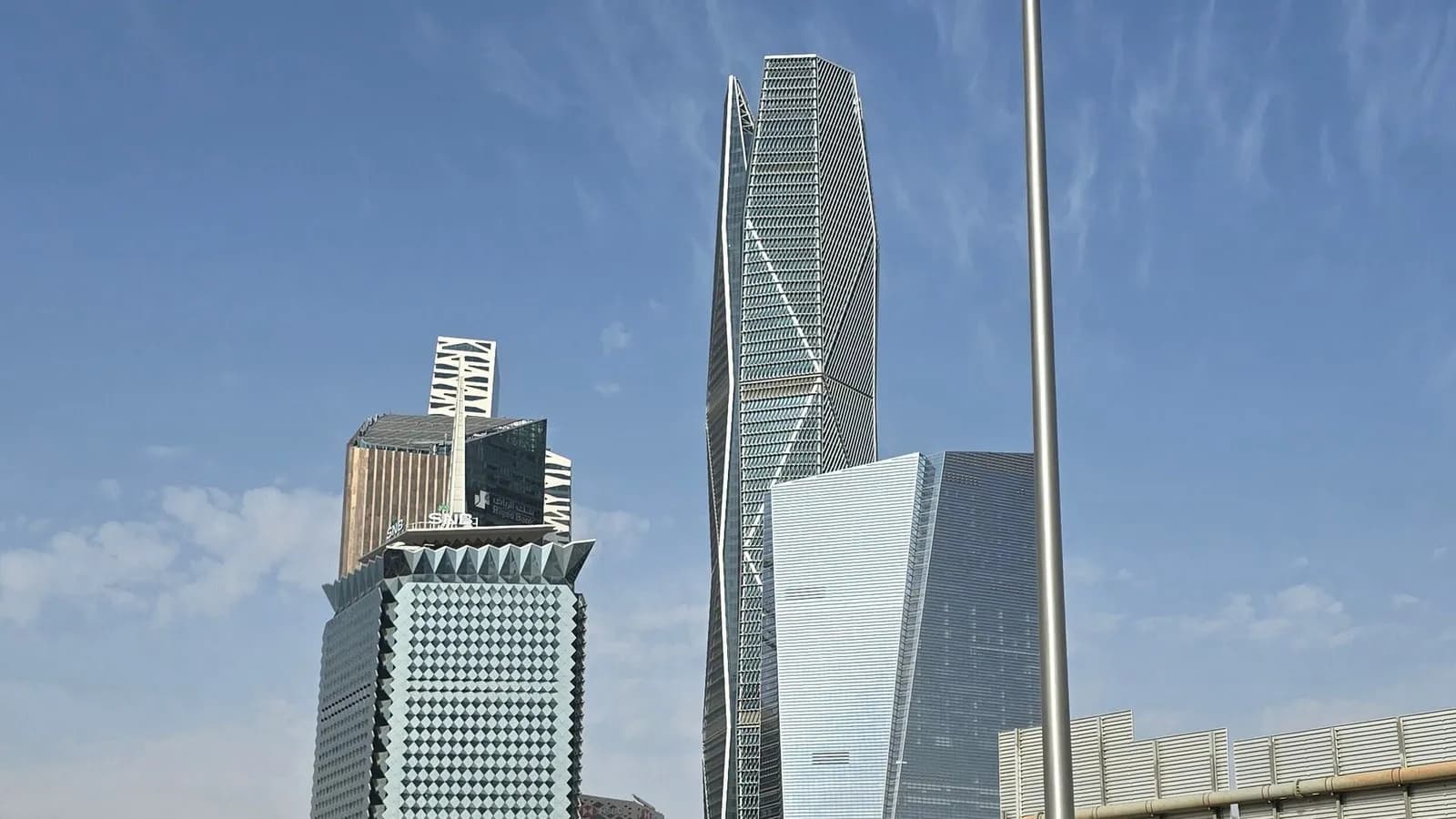
Saudi Arabia's national AI company has a new shareholder. On 1 November, the Public Investment Fund (PIF) and Saudi Aramco announced the closing of the transaction in which Aramco, through a wholly owned subsidiary, acquired 49 percent of HUMAIN. PIF keeps the other 51 percent, according to Aramco's announcement from Dhahran.
The completion follows a non-binding term sheet that the two signed on 28 October 2025, Arab News reported. Here is what the announcement sets out, and what it leaves for later.
What did Aramco pay for its HUMAIN stake?
Aramco is contributing about SAR 9.9 billion ($2.6 billion) in cash during 2026, along with AI, computing and digital assets. PIF and Aramco, as HUMAIN's shareholders, will oversee its expansion plans, the announcement says. HUMAIN was launched in May 2025 and builds what it describes as full-stack AI across four areas: next-generation data centres, high-performance infrastructure and cloud platforms, advanced AI models including the Arabic language model ALLaM, and AI solutions for business and government.
HUMAIN plans to deploy 3 gigawatts of AI data centre capacity by 2030 and says it aims to become one of the leading global exporters of AI. That is a plan, not a figure already reached. Arab News adds that Nebius is in a preliminary framework agreement with HUMAIN for up to 50 megawatts at the Oxagon campus in NEOM, which is half of an initial 100 megawatts under construction, with operations expected to begin in phases from the fourth quarter of 2027.
Why is Aramco investing in an AI company?
Aramco says it intends to use HUMAIN's infrastructure to deploy AI across its industrial operations, to improve its business ecosystem and operational performance. Per Arab News, it expects the transaction to support revenue growth and attractive margins, help it monetise its existing AI and digital assets, and complement its core energy business.
Amin Nasser, Aramco's president and chief executive, pointed to the company's own record with the technology: it says it has achieved $11.3 billion in Technology Realized Value since 2023, much of it from AI solutions. He said the partnership would lay the foundation for localising the AI industry. Yazeed Al-Humied, PIF's Deputy Governor and Head of MENA Investments, said bringing the two AI portfolios together under HUMAIN should create synergies in talent, technology and intellectual property, and widen private-sector participation.
What does the HUMAIN deal change for Saudi AI?
The structure puts PIF and Saudi Aramco behind one AI platform. Saudi Arabia has designated 2026 its Year of Artificial Intelligence, and the HUMAIN closing falls within it. The next point to watch will be the capacity: the 3 gigawatt target is set for 2030, and the announcements give no interim milestones beyond the NEOM framework with Nebius.
A second HUMAIN announcement came on 9 November, when the National Infrastructure Fund and HUMAIN announced financing agreements for GPUs and power.
Published in The Outspoken Digest
Editorial desk
Outspoken Digest News DeskReports for The Outspoken Digest across Latest Trends, Business, Technology, Sports.
Newsletter
The Digest, in your inbox
One edition, sent when it is ready. No noise, and your address is never passed on.
Read Next
More Business →
Gold Sinks to $3,881 and Silver to $50.04 as a 19-Month-High Dollar and December Hike Bets Extend the Slide
Nov 12, 2026/2 min read

Nvidia Opens 13% Lower After Huang's Resignation, Then Claws Back to a 4% Loss as Volume Passes 373 Million Shares
Nov 12, 2026/2 min read

US Crude Stocks Jump 4.66 Million Barrels in the EIA's Delayed Report, Well Above Forecasts, as WTI Trades Near $86
Nov 12, 2026/2 min read

Wall Street Shrugs Off Nvidia's CEO Shock as the S&P 500 and Nasdaq Turn Higher Before Midday, With Chips Split
Nov 12, 2026/2 min read