Baked Feta Pasta: The TikTok Recipe That Refuses to Die
A Finnish food blogger's oven-baked feta recipe crossed an ocean, hit TikTok two years late, and still hasn't left anyone's dinner rotation.
Monday, November 20, 2023/4 min read
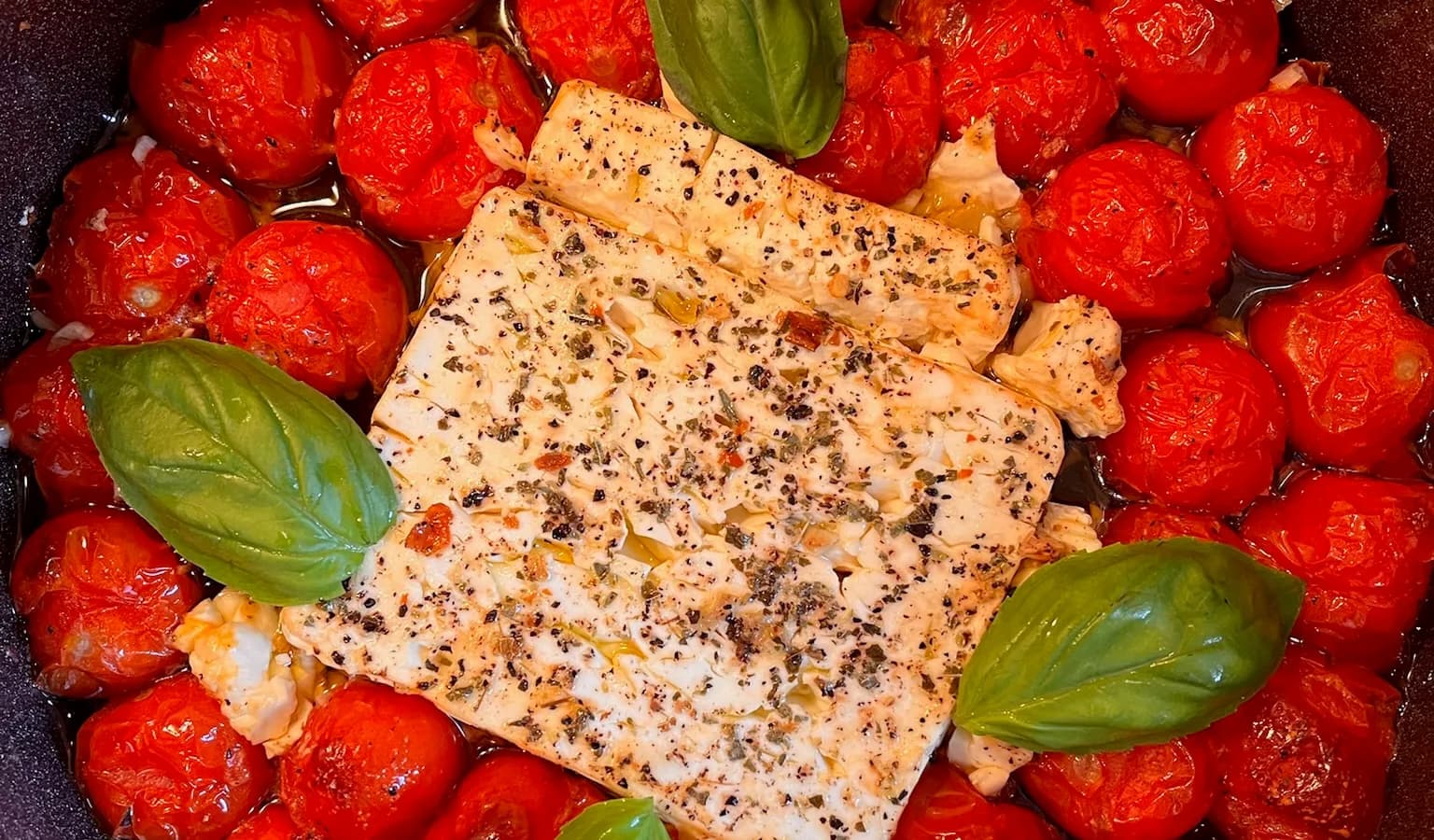
Every so often a recipe gets so simple that it stops sounding like a recipe at all. Block of feta, pile of cherry tomatoes, olive oil, oven. That's basically it. And yet that four-ingredient shortcut has spent the better part of two years refusing to leave anyone's dinner rotation.
The dish is baked feta pasta, and its path to global ubiquity is stranger than the recipe itself. It didn't start on TikTok, and it didn't start recently. It started in Finland, four years before most people ever heard of it.
Who actually invented baked feta pasta?
Finnish food blogger Jenni Hayrinen created the dish in 2019 and posted it under the name Uunifetapasta, Finnish for oven-baked feta pasta, according to HuffPost. After sharing it to her Instagram stories, she noticed an unusually strong reaction from followers and organized a live session where people shared their own versions. Other influencers and Finnish newspapers picked it up soon after, and within weeks it felt like the entire country was baking blocks of feta.
The hashtag #uunifetapasta was named phenomenon of the year in Finland for 2019. Hayrinen's original blog post has since drawn more than three million views on its own, a remarkable number for a recipe that, at the time, barely existed outside one country.
How did it reach TikTok two years later?
Food blogger Mackenzie Smith is generally credited with reintroducing the dish to an American audience, which is what eventually pushed it onto TikTok in 2021, according to the same HuffPost reporting. By then the world was deep into pandemic-era home cooking, and a recipe requiring almost no active labor, dump ingredients in a dish, bake, stir in pasta, had obvious appeal to anyone burned out on elaborate cooking projects. Food52 was among the first US outlets to trace the dish's Finnish roots for readers discovering it fresh on their For You page.
Why did baked feta pasta become so popular?
The mechanics of virality here are almost embarrassingly simple. The dish looks dramatic coming out of the oven, a whole block of feta gone soft and blistered, sitting in a bath of blistered cherry tomatoes and released oil, and then it transforms entirely the moment you stir it, collapsing into a creamy sauce with almost no effort. That visual payoff, structure to sauce in one stir, is exactly the kind of before-and-after moment that performs well on video.
It also asks very little of the cook. No roux, no cream reduction, no watching a pan. Just an oven doing the work while everything else waits. For an audience exhausted by ambitious cooking content, that low bar was the whole appeal.
Does baked feta pasta actually taste good?
By most home cook accounts, yes, with caveats. The dish leans heavily on the quality of its few ingredients: good olive oil, a block feta rather than pre-crumbled (which won't melt the same way), and tomatoes sweet enough to hold up to roasting. Food Network recipe developers have noted that the biggest failure points are using low-fat feta, which won't emulsify properly, and under-seasoning, since feta's saltiness varies a lot by brand.
It isn't a complex dish, and it was never trying to be. Its entire value proposition is speed and reliability, which is exactly why, more than two years after Hayrinen first posted it and long after most single-recipe trends have faded, it's still a fixture of easy dinner content across every platform.
What started as one Finnish blogger's Instagram experiment has become a kind of recipe template rather than a single dish, spawning versions with goat cheese, burrata, sun-dried tomatoes, and countless other swaps. The bones of it, though, a block of cheese roasted until it collapses into sauce, remain exactly as she first wrote them.
What's the best way to make baked feta pasta at home?
The dish rewards a few small adjustments that separate a good version from a forgettable one. A full block of feta, not the pre-crumbled kind sold for salads, matters because crumbled feta is usually coated in anti-caking powder that keeps it from melting into a smooth sauce the way a solid block will. Cherry or grape tomatoes work better than larger varieties, since their higher sugar content caramelizes rather than just stewing down to a watery liquid.
Most versions call for baking the block whole, surrounded by tomatoes, a generous pour of olive oil, and a scattering of garlic cloves, at a moderate to high oven temperature until the tomatoes blister and the feta turns soft and lightly golden on top. From there, the entire dish gets mashed and stirred together directly in the baking dish, no separate saucepan required, before tossing with hot pasta and a handful of fresh basil or a crack of black pepper to finish.
Why has the recipe stayed so popular for so long?
Unlike a lot of viral dishes that rely on a novel or unusual ingredient combination, baked feta pasta's staying power comes from how well it fits into an ordinary weeknight. It uses ingredients most home cooks already have some version of on hand, it requires almost no technique, and the visual transformation from block to sauce gives it a satisfying payoff every single time it's made, which keeps it feeling worth filming even years after its first viral wave.
Published in The Outspoken Digest
Editorial desk
Outspoken Digest Food DeskCooking, ingredients, restaurants and the economics of what ends up on the table.
Newsletter
The Digest, in your inbox
One edition, sent when it is ready. No noise, and your address is never passed on.
Read Next
More Latest Trends →
Navi Pillay, the South African Jurist Who Led the UN Gaza Inquiry, Wins the 2026 Nobel Peace Prize
Oct 9, 2026/3 min read

Trump Says the US Will Not Attack Iran Before the Midterms, While Tanker Attacks Cut Hormuz Traffic to a Two-Month Low
Oct 9, 2026/3 min read

Russian Strikes Killed 22 in Pryluky and at Least 30 on Two Buses in Kramatorsk Within Two Days
Oct 9, 2026/2 min read

A Year After the Gaza Ceasefire, More Than 100 Aid and Rights Groups Say It Exists in Name Only
Oct 9, 2026/2 min read