Basque Burnt Cheesecake: Why the Scorched Slice Won't Fade
A cramped pintxo bar in San Sebastian invented a deliberately burnt cheesecake, and it quietly became one of the world's most copied desserts.
Tuesday, March 5, 2024/5 min read
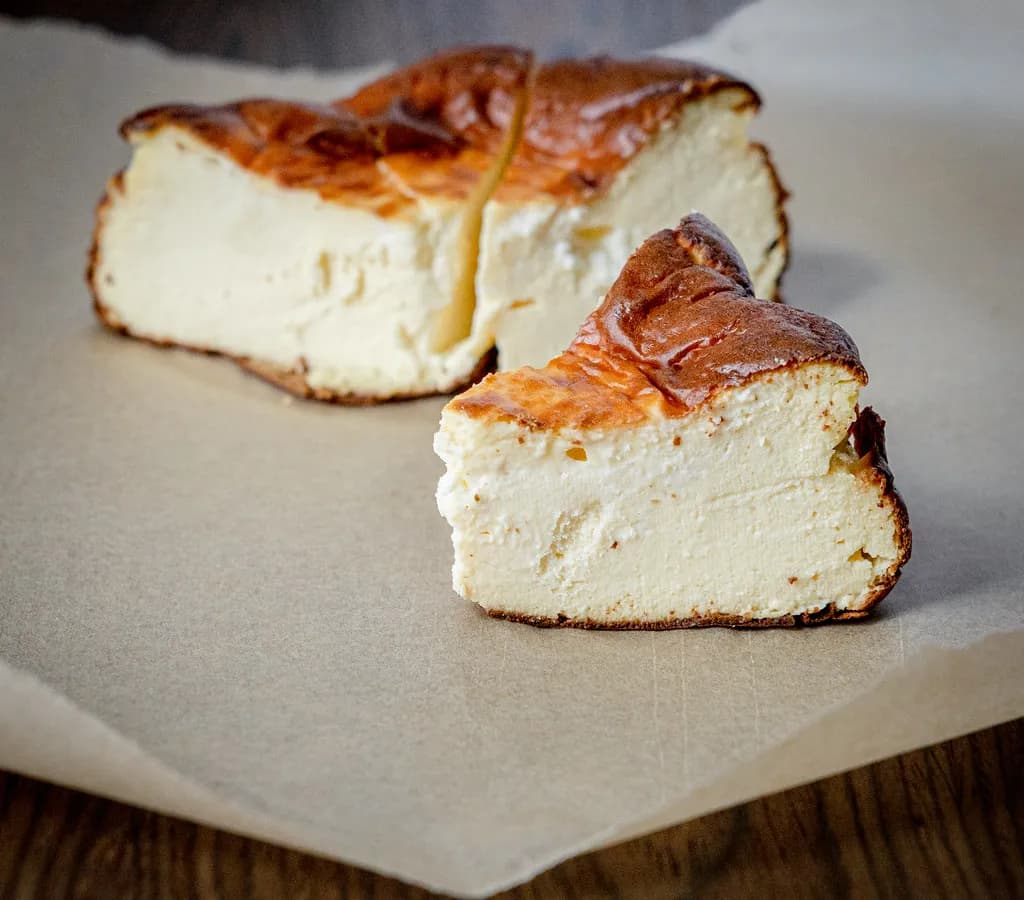
Most bakers spend their careers trying to keep a cheesecake from browning too much. Santiago Rivera did the opposite. He let his burn, on purpose, until the top turned nearly black, and in doing so he built one of the most quietly dominant desserts of the last decade.
The cake comes from La Vina, a pintxo bar in the old quarter of San Sebastian, on Spain's northern Basque coast. It opened in 1959, founded by Eladio Rivera, his brother Antonio, and their wives Carmen Jimenez and Conchi Hernaez, according to Buber's Basque Page. Decades later, when Eladio's son Santiago took over the kitchen, he noticed the menu was missing something: a proper dessert.
Who invented Basque burnt cheesecake?
Santiago Rivera created the cake in 1988, working from recipe books and experimenting until he landed on a formula that fit the bar he'd inherited, according to National Geographic. Space in La Vina's kitchen was tight, so anything requiring garnish, a berry coulis, a swirl of cream, was out of the question. The biscuit base most cheesecakes rely on for structure got cut too. What remained was the filling itself, baked hot and fast until the exterior scorched and the center stayed loose, almost molten.
In San Sebastian, locals rarely call it burnt. It's simply tarta de queso de La Vina, or San Sebastian style cheesecake. The burnt label is mostly an export term, coined once the cake started traveling and needed a name that explained itself to strangers.
What makes Basque cheesecake different from New York cheesecake?
Where a New York cheesecake is built for a clean, dense slice with a crumb crust underneath, the Basque version has no crust at all. It's baked in a very hot oven, often above 200 degrees Celsius, in a mold lined loosely with parchment that's allowed to wrinkle and char at the edges. The high heat caramelizes the surface into something close to burnt sugar while the inside stays soft enough to slump slightly when cut. There's no attempt to hide the cracks or the dark top. The imperfection is the point.
How did a pintxo bar dessert become a global trend?
The cake built its reputation slowly, largely through word of mouth among visitors to San Sebastian's famous pintxo crawl, before catching real momentum online through the 2010s. Its global tipping point arrived when Devour Tours and other food writers noted its spread as far as Singapore, where bakeries reinvented it as a soft-serve ice cream. The New York Times named it a Flavor of the Year for 2021, cementing its status well outside Spain.
By the time it reached menus in cities that had never heard of La Vina, the recipe had already splintered into countless versions: matcha burnt cheesecake, chocolate burnt cheesecake, even savory riffs. But nearly all of them still trace back to Rivera's original constraint-driven creation, a dessert born from what a small kitchen didn't have rather than what it did.
Is Basque cheesecake worth the hype?
The appeal isn't complicated. Most cheesecakes ask you to be careful, don't overbake, don't crack the top, don't rush the cooling. Basque cheesecake throws that instruction sheet out. It rewards high heat and a short bake, which makes it forgiving for home cooks in a way few custard-based desserts are. The contrast between the bitter, almost caramelized crust and the soft, barely-set center gives it a complexity that a plain vanilla cheesecake doesn't have.
It also travels well as a format. Bakeries can scale it, home cooks can make it in one bowl with no crust to fuss over, and it photographs beautifully cut into, with that dark top framing a pale, wobbling interior. Few trend desserts manage to be both Instagram-friendly and genuinely simple to execute, but this one splits that difference cleanly.
Where can you still find the original in San Sebastian?
La Vina is still open in the Parte Vieja, the old quarter of San Sebastian, and the cheesecake remains its signature order, often sold out by mid-afternoon on busy tourist days. According to Consigli di Viaggio, visitors are advised to arrive early or be prepared to wait, since the bar still bakes in small batches rather than mass producing for the crowds its own dessert helped create.
What started as one bar's workaround for a cramped kitchen has become shorthand for an entire category of dessert. As bakeries worldwide keep reinventing it, the original at La Vina remains stubbornly, deliberately the same: burnt on top, soft in the middle, and still made the way Santiago Rivera figured it out more than three decades ago.
How do you make Basque cheesecake at home?
Part of what has made the recipe so easy to replicate globally is how little equipment or technique it demands compared to a classical baked cheesecake. There's no water bath to fuss over, no crust to blind bake, and no delicate low-and-slow oven temperature to babysit for an hour. Home bakers generally cream together cream cheese, sugar, eggs, and heavy cream, pour the batter into a parchment-lined pan with the paper deliberately left rumpled and overhanging the sides, then bake it hot and fast, often around 220 to 250 degrees Celsius, until the top turns deeply browned and the center still visibly wobbles.
That wobble matters. Pulling the cake while the center is still loose is what gives Basque cheesecake its signature custardy interior once it cools and sets. Bakers who leave it in until it looks fully firm in the oven tend to end up with something closer to a dense, dry New York style cheesecake, missing the entire point of the technique Rivera developed.
Why do so many bakeries put their own spin on it?
Because the base recipe is so forgiving and the technique so simple, it has become an unusually popular canvas for experimentation. Matcha versions fold green tea powder into the batter for a bitter, earthy contrast against the caramelized top. Chocolate versions swap some of the cream cheese for melted dark chocolate. Some bakeries have gone further still, building savory versions with goat cheese or infusing the batter with citrus, coffee, or even miso.
Few of these riffs would work as well with a traditional crusted cheesecake, which relies on a more delicate balance between filling and base. Basque cheesecake's crustless, deliberately scorched structure gives it a kind of structural tolerance for flavor experimentation that few other classic desserts share, part of why it has kept spreading years after its initial viral moment rather than fading into a single well-known version.
Published in The Outspoken Digest
Editorial desk
Outspoken Digest Food DeskCooking, ingredients, restaurants and the economics of what ends up on the table.
Newsletter
The Digest, in your inbox
One edition, sent when it is ready. No noise, and your address is never passed on.
Read Next
More Latest Trends →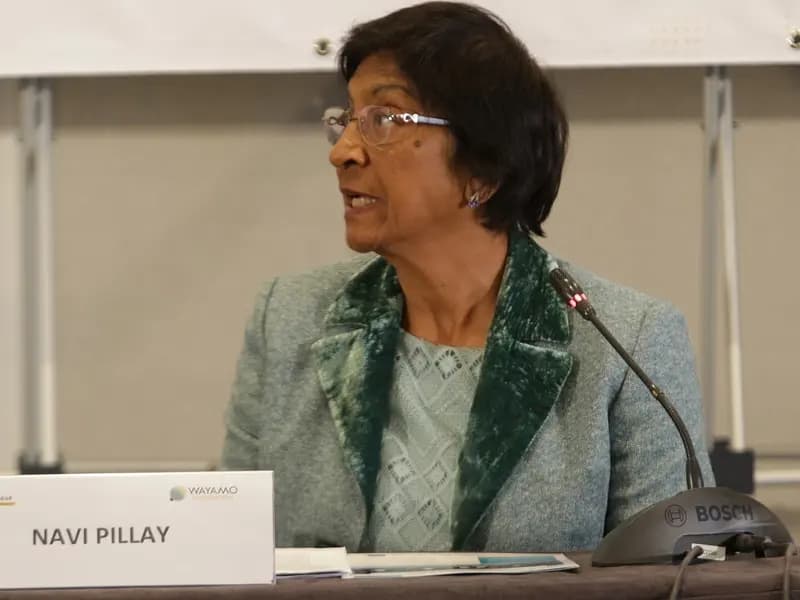
Navi Pillay, the South African Jurist Who Led the UN Gaza Inquiry, Wins the 2026 Nobel Peace Prize
Oct 9, 2026/3 min read

Trump Says the US Will Not Attack Iran Before the Midterms, While Tanker Attacks Cut Hormuz Traffic to a Two-Month Low
Oct 9, 2026/3 min read
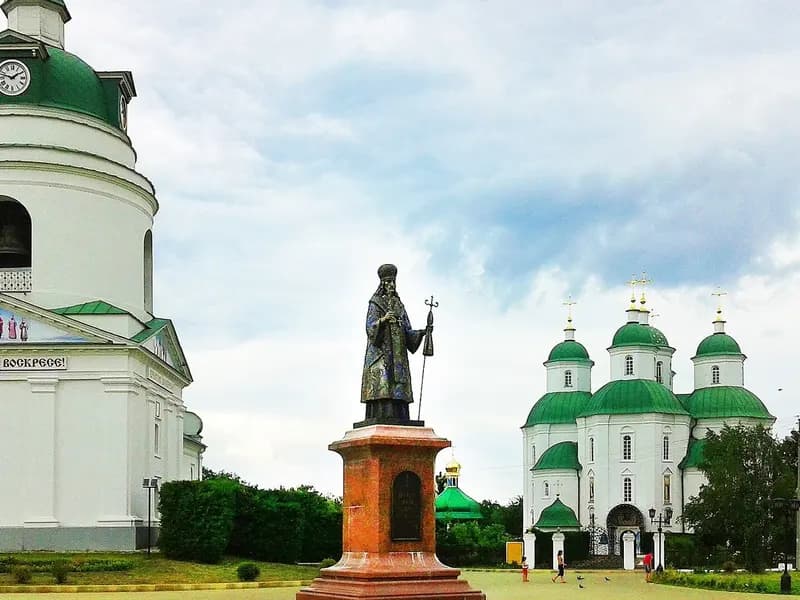
Russian Strikes Killed 22 in Pryluky and at Least 30 on Two Buses in Kramatorsk Within Two Days
Oct 9, 2026/2 min read
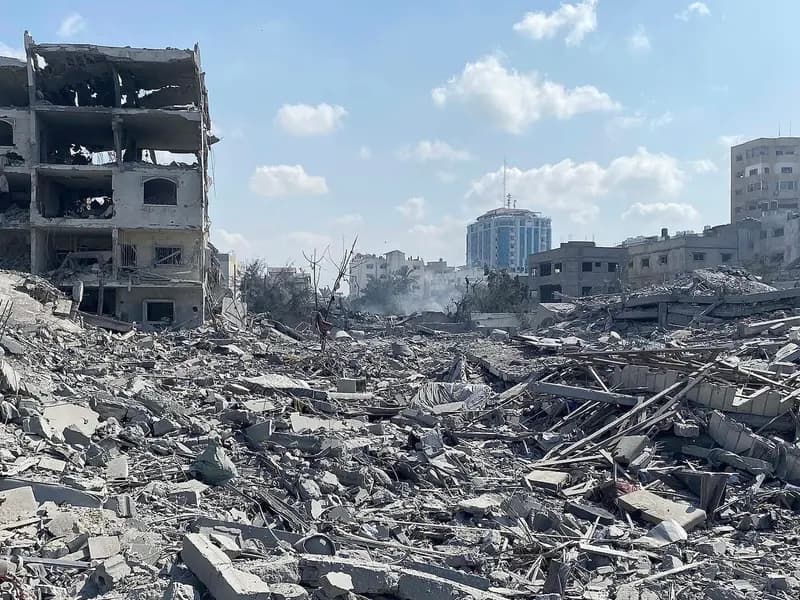
A Year After the Gaza Ceasefire, More Than 100 Aid and Rights Groups Say It Exists in Name Only
Oct 9, 2026/2 min read