A Real Bavarian Soft Pretzel to Bake While Oktoberfest Runs in Munich Through 4 October
Munich's 191st Oktoberfest is under way on the Theresienwiese until 4 October. This recipe uses a baking soda bath rather than food-grade lye to get the same deep brown crust and dense, chewy Brezn texture safely in a home kitchen.
Sunday, September 27, 2026/3 min read
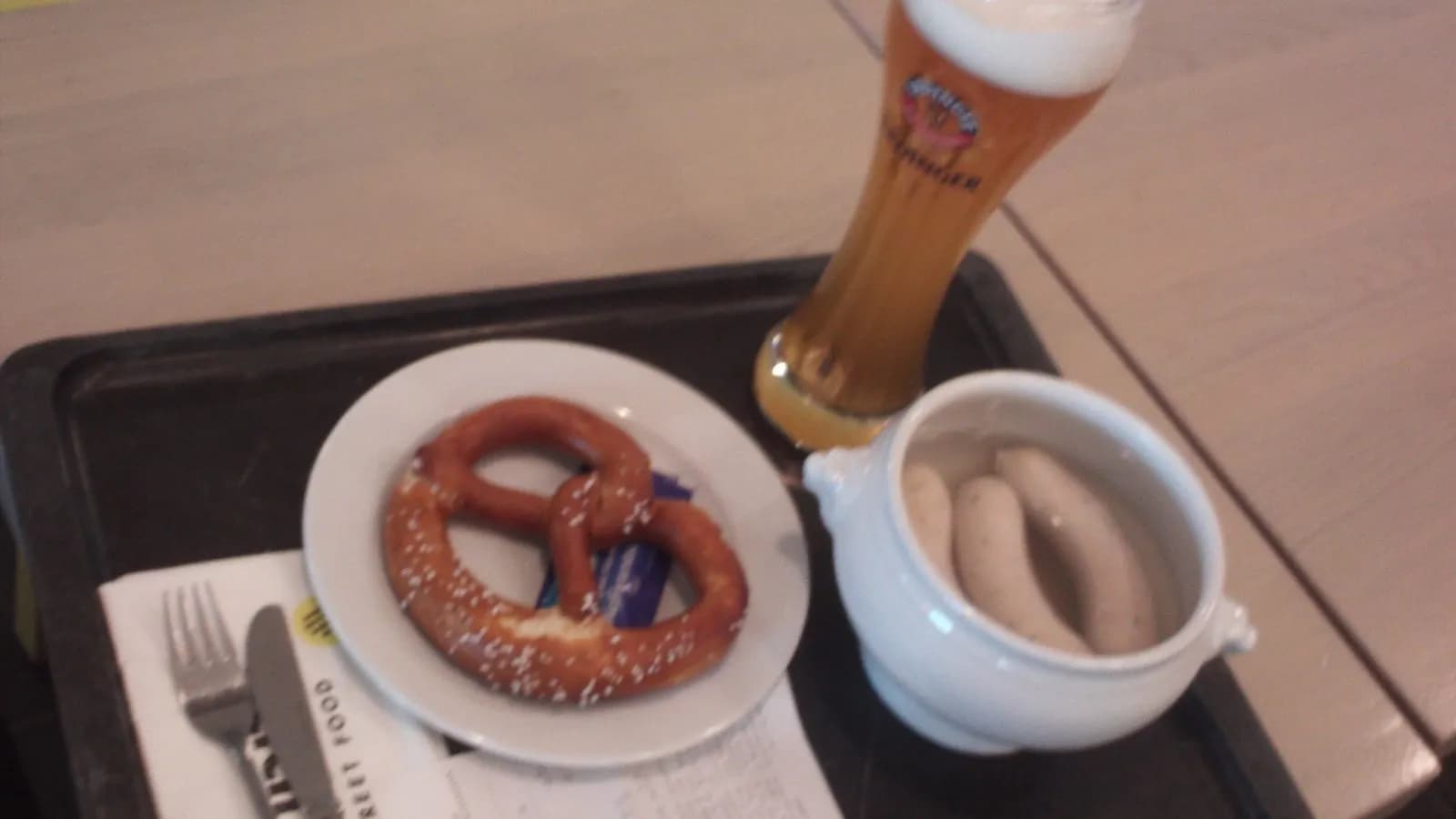
Munich's 191st Oktoberfest opened on the Theresienwiese on 19 September and runs through 4 October, according to the festival's official site, sixteen days built around beer tents, brass bands and, alongside the beer itself, the dense, glossy, deeply browned soft pretzel known in Bavaria as a Brezn. A proper Brezn owes its colour and flavour to a dip in food-grade lye before baking, a step most home kitchens are not equipped to handle safely, so this version follows the widely used home-baking substitute described by Germanfoods.org's guide to Bavarian pretzels: baking the bicarbonate of soda first to convert it into a stronger alkali, sodium carbonate, which gets you most of the way to the real thing without handling lye at all.
Why the alkaline bath actually matters
Ordinary bread dough browns through the Maillard reaction as sugars and proteins react under heat, but a pretzel's distinctive mahogany crust and faintly mineral, tangy flavour come specifically from raising the dough's surface pH before baking, which accelerates that browning dramatically and changes the crust's texture from soft to glossy and slightly chewy. Skip this step and you get a pale, ordinary bread roll shaped like a pretzel rather than an actual pretzel, which is why it is worth the extra twenty minutes of oven time to bake the bicarbonate first.
Ingredients, for eight large pretzels
- 500g strong white bread flour
- 7g fast-action dried yeast
- 10g fine salt, plus coarse pretzel salt or sea salt flakes for topping
- 15g unsalted butter, softened
- 300ml warm water
- 1 tablespoon malt syrup or dark brown sugar
- 150g bicarbonate of soda, baked (see method)
- 1.5 litres water, for the alkaline bath
- 1 egg yolk beaten with a tablespoon of water, for glazing (optional, if skipping the full bath)
Method
Bake the bicarbonate of soda first: spread it in a thin, even layer on a lined baking tray and bake at 120C for one hour, stirring once halfway through. This converts the sodium bicarbonate into sodium carbonate, a food-safe alkali strong enough to mimic the effect of real lye. Let it cool completely and store it in a sealed jar; it does not need to be made fresh each time you bake.
Dissolve the yeast and malt syrup in the warm water and let it stand for five minutes until foamy. Combine the flour and fine salt in a large bowl, add the butter, then pour in the yeast mixture and bring together into a shaggy dough. Knead for eight to ten minutes by hand, or five minutes in a stand mixer with a dough hook, until the dough is smooth and elastic. Place in a lightly oiled bowl, cover, and leave to rise for about an hour, until roughly doubled.
Divide the dough into eight pieces. Roll each into a rope roughly 60cm long, thicker in the middle and tapering at the ends, then form the classic pretzel shape by making a U, crossing the two ends over each other twice, and folding them down onto the thicker middle section, pressing gently to seal. Rest the shaped pretzels on a lined tray, uncovered, in the fridge for twenty minutes; this dries the surface slightly, which helps the alkaline bath adhere properly.
Heat the oven to 220C. Bring the 1.5 litres of water to a gentle boil in a wide, non-reactive pot and dissolve the baked bicarbonate of soda into it carefully, as it will fizz. Working one or two at a time, lower each pretzel into the simmering solution for 20 to 30 seconds, then lift it out with a slotted spatula and place it back on the lined tray. Score each pretzel's thick middle section with a sharp knife or blade, sprinkle generously with coarse salt while still wet, and bake for 15 to 18 minutes, until deep mahogany brown and hollow-sounding when tapped underneath.
Serving it the Bavarian way
A Brezn is at its best within a few hours of baking, split while still faintly warm and spread with butter, or served alongside Obazda, the Bavarian cheese spread built from soft cheese, butter, paprika and beer, which is the traditional Oktoberfest pairing on the actual Theresienwiese. It also holds its own next to a proper Weisswurst breakfast with sweet mustard, or simply with a cold beer, which is, after all, the point of the sixteen days the pretzel is named for.
Published in The Outspoken Digest
Editorial desk
Outspoken Digest Food DeskCooking, ingredients, restaurants and the economics of what ends up on the table.
Newsletter
The Digest, in your inbox
One edition, sent when it is ready. No noise, and your address is never passed on.
Read Next
More Recipes →
Swangy Tamarind Glazed Chicken Wings for the Flavour Replacing Swicy on Fast Food Menus
Sep 29, 2026/3 min read

Baked Apple Cider Doughnuts for a Cider Season That Peaked Earlier Than the Calendar Says
Sep 29, 2026/3 min read
An Obatzda Bavarian Beer Cheese Dip for the Final Stretch of Oktoberfest 2026
Sep 29, 2026/3 min read