Beirut and Lebanon's Vegan and Plant-Forward Tables
Centuries of fasting cuisine gave Lebanon a plant-based head start. Here is where that history shows up on menus across Beirut today.
Thursday, March 5, 2026/4 min read
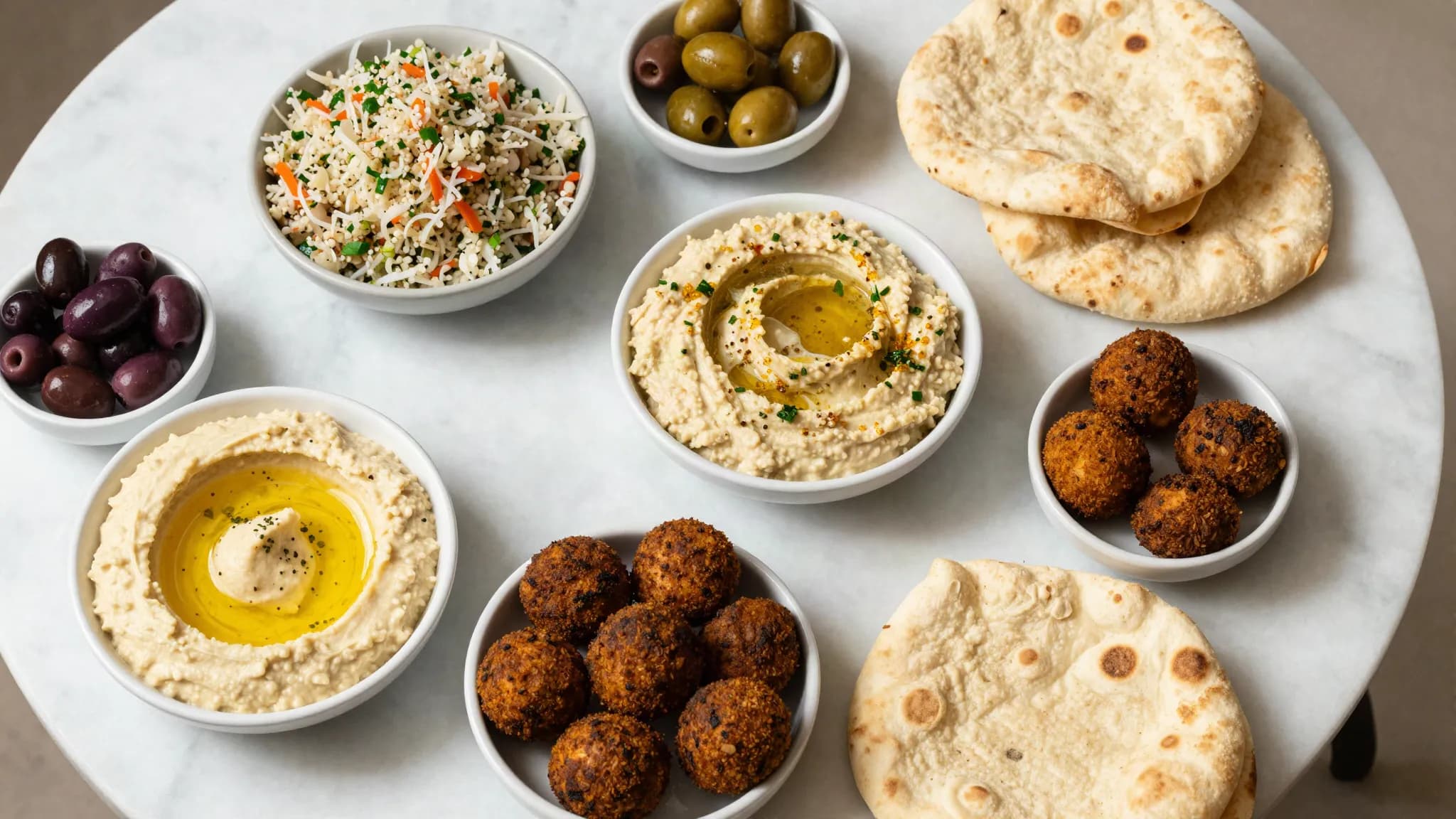
Lebanon had a plant-based pantry long before the word vegan existed. Centuries of Christian fasting periods, an olive-oil-first kitchen, and mountain agriculture that keeps vegetables coming through most of the year mean the country's food culture was never built around meat the way some of its neighbors' were. Beirut's vegan restaurant scene, small but sincere, grew directly out of that foundation rather than importing it wholesale from abroad.
Most of that scene sits in two neighborhoods: Hamra, the old intellectual and university quarter on the western side of the city, and Mar Mikhael, the postindustrial strip of bars and design studios east of downtown. A newer thread runs north along the coast toward Jounieh and Byblos, and up into the Chouf mountains, where a handful of cafes are betting that scenic views pull in as many diners as the menu does.
Lebanon's restaurant scene has weathered real instability in recent years, so hours and even survival of any single spot can shift fast. Confirm before you go, and treat closures with sympathy rather than surprise.
Hamra: the original
Luna's Kitchen claims the title of Beirut's first fully vegan restaurant, opened in 2018 and still the most written-about vegan address in the country. The room leans handmade, rugs, colorful tiled murals, meals served on wooden pallets, and there is a ping pong table and a garden seating area that make it as much a hangout as a restaurant. Sitting in Hamra, a neighborhood better known historically for its bookshops, cinemas, and student cafes than for restaurant openings, Luna's Kitchen has ended up doubling as a kind of community space, a place where a solo diner can linger over a board game as easily as order takeout on the way home. Its meat substitutes, soy nuggets, a chicken-style shawarma, and beetroot patty burgers, are what regulars talk about most, according to coverage from The 961. It remains the only dedicated vegan restaurant in Hamra and, by several accounts, the most successful vegan restaurant in the country.
Mar Mikhael: the vegan cluster
Mar Mikhael has become Beirut's real vegan corridor, dense enough that you could eat three different meals there without repeating a kitchen. Orenda is the most frequently recommended name in the neighborhood, open 24 hours a day year-round, with a pasta and burger menu built around a funky, pop-colored dining room and prices that stay reasonable by Beirut standards. Staying open regardless of hour matters more in Beirut than it might elsewhere, given how often the city's power and fuel situation has disrupted normal restaurant hours in recent years, and Orenda's willingness to keep its doors open has become part of the draw.
Meet The Veganz, also in Mar Mikhael with a delivery-only outlet in Jal el-Dib, works the street-food register: sandwiches, salads, appetizers, and burgers built for a quick counter order rather than a sit-down meal.
The Glow Paradise and Harvest, both clustered around the Naqqache stretch near Mar Mikhael, focus on bowls and plant-based protein respectively, the former known for its drinks and bowl combinations, the latter for sandwiches and burgers built around a meatless protein base.
Green Junkie rounds out the neighborhood with an acai bowl, a pesto hummus dip, and a green smoothie bowl that has become something of a photographed staple among Beirut's health-food crowd. The density of options within a few walkable blocks here reflects Mar Mikhael's broader transformation over the past decade, from working warehouses and small workshops into the city's most concentrated strip of independent bars, galleries, and restaurants, with plant-based kitchens riding the same wave of reinvestment as everything else on the street.
Gemmayzeh's brunch spot
The Barn, just downhill in Gemmayzeh, has built its name on breakfast and brunch rather than dinner, with vegan and dairy-free chia puddings and oatmeal bowls anchoring a menu aimed at the neighborhood's slower weekend mornings.
Downtown and the coast
Salata, in downtown Beirut, keeps things simple: gluten-free and vegan salad platters in portions generous enough to double as a full meal rather than a side. Further north along the coast, Sendyani Vegan Cafe in Jounieh has built a menu around customizable wraps branded as "Just Like" versions of Lebanese classics, a Just Like Taouk, a Just Like Fajita, aimed squarely at diners missing specific dishes rather than reinventing the format.
Health By Nature, further up the coast in Jbeil, the ancient city better known internationally as Byblos, keeps its menu organic and largely gluten-free, serving the town's steady trickle of history tourists alongside locals.
Up in the mountains
Coara, in Kfar Qatra in the Chouf district, trades urban density for a view, a healthy vegan menu built around the kind of mountain scenery that makes the trip out of Beirut worth it on its own.
Eating well in an unpredictable city
None of these restaurants operate with the safety net of a large hospitality group behind them. Most are small, independently run, and vulnerable to the same fuel, currency, and supply disruptions that have shaped Lebanese life more broadly over the past several years. That context matters when you visit: showing up, ordering generously, and tipping well does more for Beirut's vegan scene than any listicle can. Menus and hours shift often here, more than in most cities on this list, so a phone call or a look at a restaurant's most recent social media post before you leave your hotel is worth the extra few minutes.
Our reporting for this guide drew on Vegan Food and Vegan Restaurants in Beirut Lebanon | Nomadic Vegan, Vegan Food in Lebanon: A Local's Honest Guide (With Prices).
Published in The Outspoken Digest
Editorial desk
Outspoken Digest Food DeskCooking, ingredients, restaurants and the economics of what ends up on the table.
Newsletter
The Digest, in your inbox
One edition, sent when it is ready. No noise, and your address is never passed on.
Read Next
More Travel →
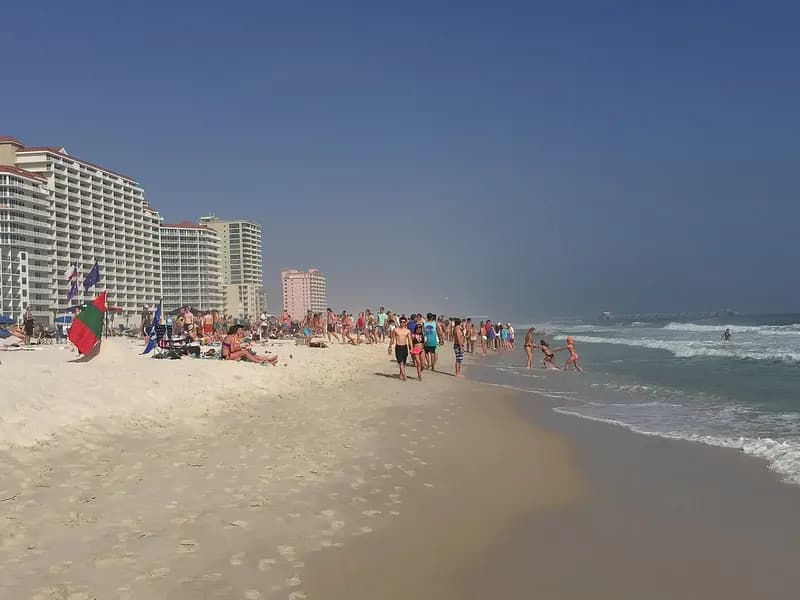
Hurricane Isaias Closes Gulf Coast Airports and Clears Alabama's Beaches as Airlines Waive Change Fees
Oct 8, 2026/3 min read
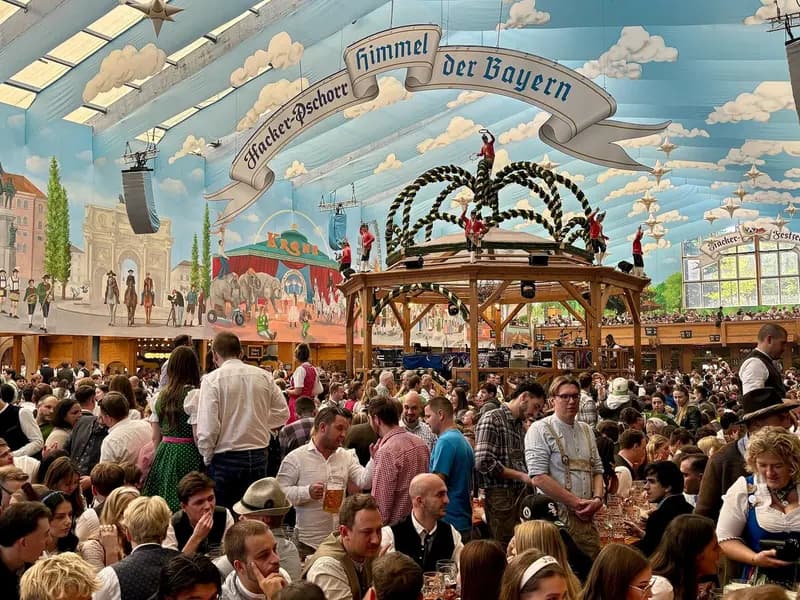
Oktoberfest 2026 Ended With a Record 7.4 Million Visitors, Beating the Previous High by 200,000
Oct 4, 2026/2 min read
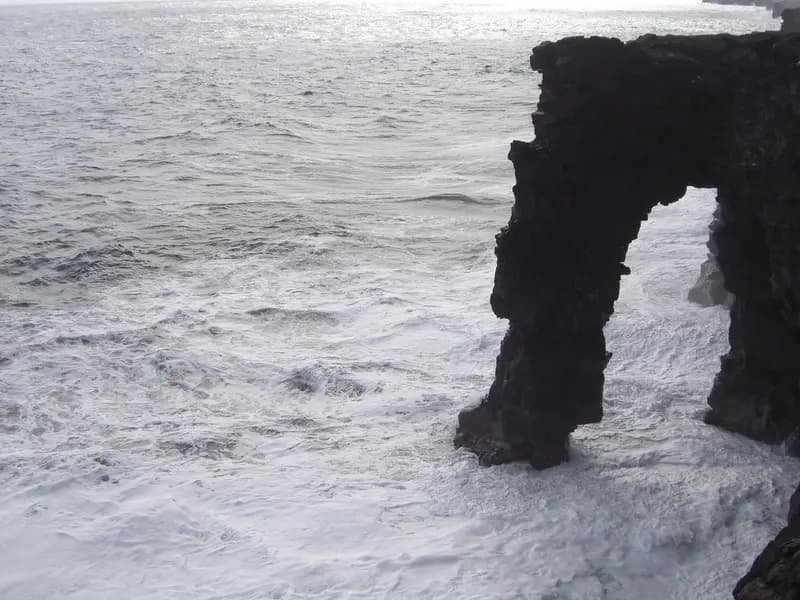
Hawaii's 90-Foot Hōlei Sea Arch, About 550 Years Old, Collapsed Into the Pacific During Storm Nolo
Oct 3, 2026/2 min read