Marine Surveyors Confirmed Living Coral Off Benin, More Than Sixty Years After the Reef Was Presumed Dead
Sonar and underwater video surveys of the Benin continental shelf found octocorals and reef fish thriving 54 metres down, the first confirmed living mesophotic coral community documented anywhere on the Gulf of Guinea shelf.
Tuesday, September 29, 2026/2 min read
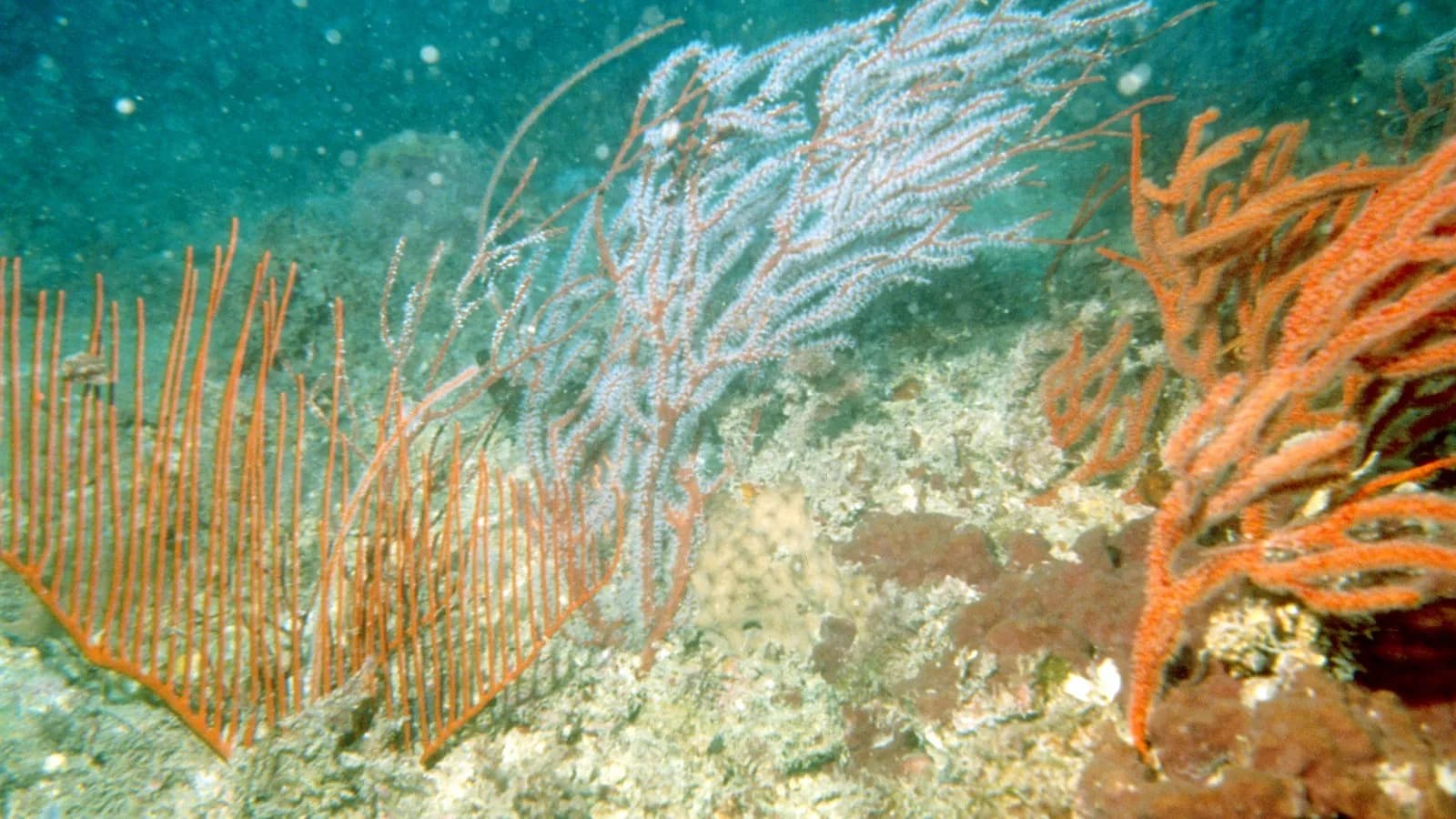
Marine researchers have confirmed living coral communities on the Benin continental shelf more than sixty years after reef barriers reported there in the 1960s were left unexamined and presumed dead, the first documented evidence of a living mesophotic coral ecosystem anywhere on the Gulf of Guinea continental shelf. The findings, published in Frontiers in Marine Science, were covered by ScienceDaily, and the full study is available directly from Frontiers.
A reef reported once and then forgotten
Coral reef barriers were reported off the Benin coast during surveys conducted in 1963 and 1964, but no follow-up work assessed whether the corals were still alive, and the site's ecological status simply went unrecorded for more than six decades, effectively treated as presumed dead by default rather than through any actual evidence of collapse. Mesophotic coral ecosystems, those living at depths beyond where sunlight easily penetrates, remain poorly documented across the West African coastline generally, making Benin's continental shelf a genuine gap in the region's marine survey record.
What the new expedition actually did
Between April and December 2025, researchers ran exploratory marine surveys combining side-scan sonar mapping, which builds a picture of the seafloor from reflected sound, with direct underwater video exploration to visually confirm what the sonar suggested was there. That combination let the team document living coral communities on rocky substrate at a depth of 54 metres, well below where recreational divers typically operate but within reach of the remotely operated vehicles and towed camera systems increasingly used for exactly this kind of survey work.
What is actually living down there
The confirmed assemblage is dominated by octocorals, a group that includes soft corals and sea fans, rather than the hard, reef-building scleractinian corals most people picture when they hear the word coral reef, meaning the site is better described as a mesophotic coral garden than a structural reef in the strictest sense. Researchers documented at least six distinct octocoral morphotypes alongside two black coral taxa, and recorded eight associated reef fish species living among the coral structures, evidence of an established, functioning ecosystem rather than a few scattered survivors.
Why the distinction between garden and reef matters
A mesophotic coral garden built from soft octocorals behaves differently, ecologically and in terms of what protects or threatens it, than a hard-coral reef structure, which has implications for how conservation planners in the region should think about the site going forward. The researchers were careful to describe their find in these precise terms rather than reaching for the more headline-friendly word reef, even as the broader story, life persisting for sixty years where none had been confirmed, carried its own obvious appeal.
What comes next for the site
Having established the first confirmed visual record of living mesophotic coral on the Gulf of Guinea shelf, researchers involved in the project have indicated a strong interest in returning for more extensive follow-up surveys, dependent on securing the funding such expeditions require, to establish how extensive the coral garden actually is beyond the specific patches documented in 2025. Until that follow-up work happens, the full scale of what survived off Benin's coast for six decades without anyone checking remains genuinely unknown.
Published in The Outspoken Digest
Editorial desk
Outspoken Digest Diving DeskCovers freediving, recreational and technical diving, dive medicine and the incidents the sport learns from.
Newsletter
The Digest, in your inbox
One edition, sent when it is ready. No noise, and your address is never passed on.
Read Next
More Diving →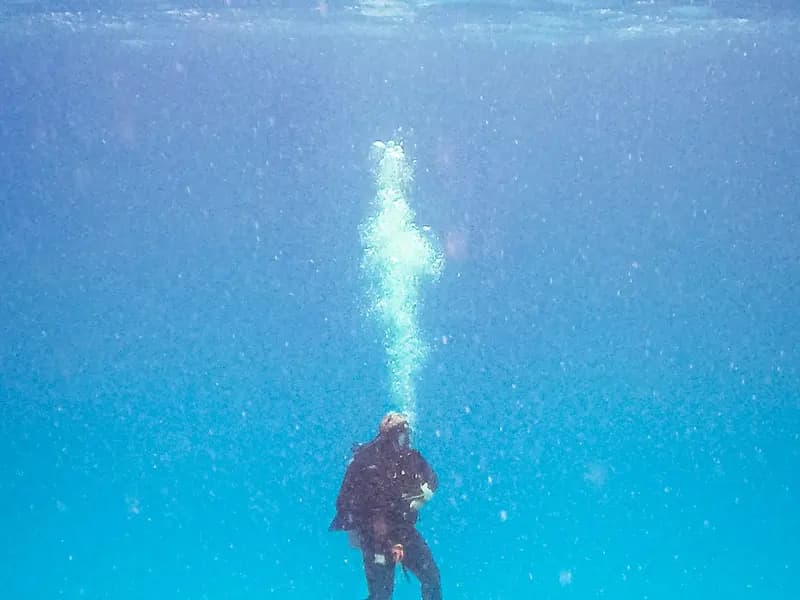
Breathless and Coughing Pink Froth After a Dive: Immersion Pulmonary Edema Explained
Oct 17, 2026/3 min read
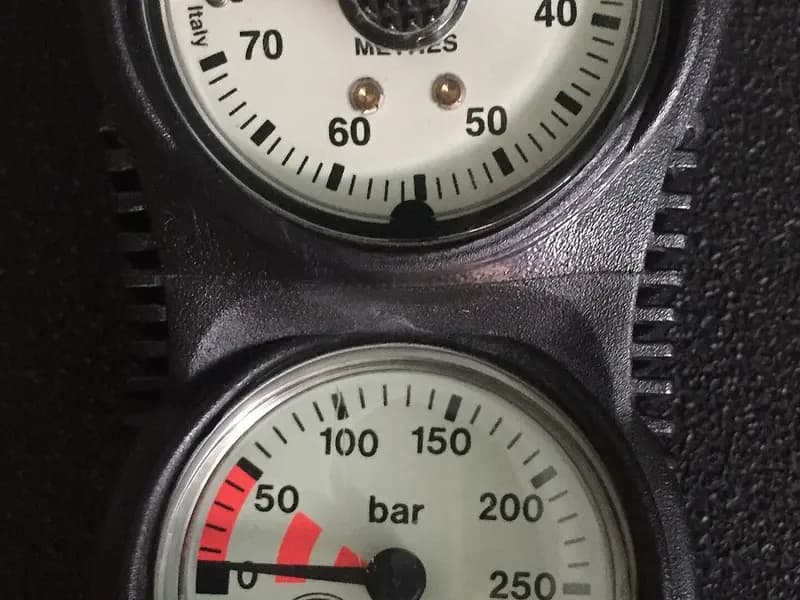
Your Gas Consumption Is Not One Number: Why Depth, Cold and Nerves Change It
Oct 16, 2026/3 min read
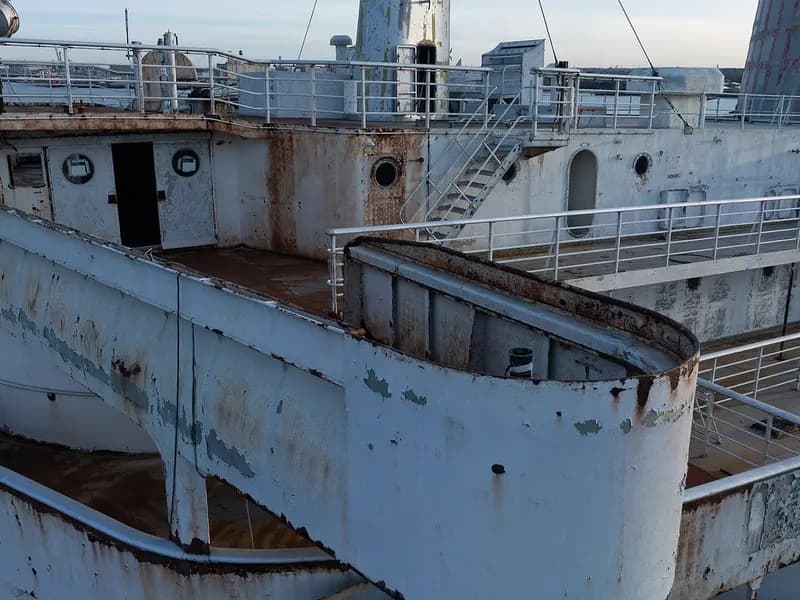
SS United States Reef Sinking Targeted for November: What Divers Should Know
Oct 16, 2026/2 min read
Divers Excavating Off Kekova Find a Wreck Believed to Be the World's Oldest, Turkey Says
Oct 15, 2026/2 min read