Binance Reopens Withdrawals and $4.6 Billion Leaves in the First Nine and a Half Hours
The phased restart began at 06:00 UTC on Sunday and covered 15 networks by lunchtime. Net outflows of about $3.6 billion equal 2.1 percent of reserves, and bitcoin barely moved.
Sunday, November 1, 2026/2 min read
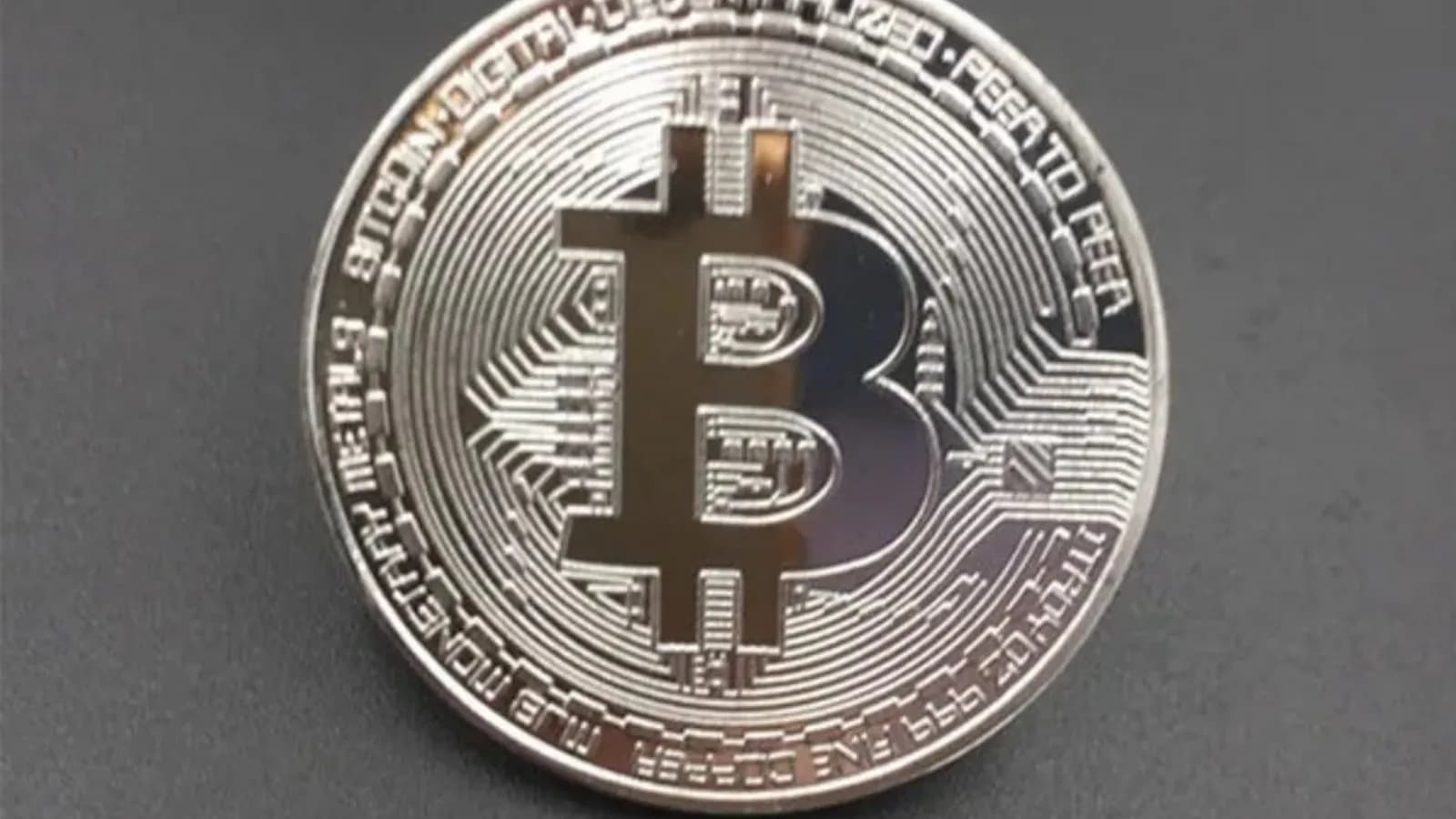
Binance opened the doors at 06:00 UTC on Sunday, and for the first few hours it looked like a run. By 15:30 UTC the exchange had processed about $4.6 billion in withdrawals against $1.0 billion in deposits, a net outflow of roughly $3.6 billion, TechCrunch reported. Binance put that at 2.1 percent of total assets under management and said volumes were stabilising after the initial spike.
Three days after the $6.3 billion theft and a day after the FBI named North Korea, the exchange is open again. Whether it is trusted again is a question the next week will answer.
Which Binance withdrawals are working?
The first phase covered 15 networks, led by the ones with the most pending requests. CoinDesk reported that bitcoin came first, with ether, USDT, USDC, BNB and XRP among the assets restored on the Ethereum and BNB Smart Chain networks in the opening window of 06:00 to 09:00 UTC. Bitcoin Foundation's summary of the plan lists Solana, Tron, Dogecoin, Avalanche, Sui, Polygon, Arbitrum and the XRP Ledger among the networks in the first batch.
It was not a clean switch. Through Sunday morning Binance's status page showed bitcoin withdrawals and deposits as partially suspended and ether withdrawals as partially suspended, with a warning of temporary delays because of traffic. Further phases depend on each chain passing security and stability checks, and the exchange has given no fixed timetable for the rest.
How much of the stolen money has been replaced?
About 95 percent, up from 90 percent on Saturday and 80 percent on Friday. Binance says the remaining 5 percent sits in tokens outside the top ten that are less liquid and take longer to buy in size, through both exchanges and over-the-counter desks. It repeated that users will not bear the losses and that balances in BTC, ETH, USDT, BNB, SOL, USDC, XRP, USD1, RLUSD and ZEC are fully backed, with a full proof of reserves still to come.
Roughly $3 billion of the stolen assets is frozen, most of it in USDT and USDC that the issuers can block. Bitcoin and ether cannot be frozen the same way, and the FBI said on Saturday that the thieves were converting what they could into ether. TRM Labs' breakdown of the losses, cited by CoinDesk, includes 18,270 BTC worth about $1.47 billion, 200,630 ETH, 1.875 billion USDT and 823 million USDC on Ethereum, 233 million XRP and 970,500 SOL.
How did bitcoin react to the reopening?
It did not. CoinDesk's ticker had bitcoin around $76,600 on Sunday morning, up slightly on the day and within the range it has held since the hack. There was no cascade of forced selling, partly because the money leaving Binance was mostly moving to other wallets and exchanges rather than being sold.
Binance called the resumption "a major milestone, but our work continues" and promised a fuller incident report once the investigation is complete. The proof of reserves is the next test, and after that the slower one: whether the $3.6 billion that left on Sunday comes back.
Published in The Outspoken Digest
Newsletter
The Digest, in your inbox
One edition, sent when it is ready. No noise, and your address is never passed on.
Read Next
More Crypto →
Bitcoin Falls to $76,500, a Two-Month Low, on Election Day as Binance's Emergency Fund Is Shown Half Spent
Nov 3, 2026/3 min read

Binance Publishes a Zero-Knowledge Proof of Reserves for Ten Assets and Says 95 Percent of the Hole Is Filled
Nov 2, 2026/3 min read
FBI Blames North Korea for the $6 Billion Binance Theft as the Exchange Says 90% Is Replenished
Oct 31, 2026/3 min read

Only Abu Dhabi's Regulator Has Spoken on the Binance Hack, While Washington Stays Silent and Rivals Offer Help
Oct 30, 2026/4 min read