Breath-Hold Training on Land: What Evidence Actually Supports
CO2 tables build genuine breath hold tolerance over weeks. Hyperventilating beforehand does the opposite of what beginners think it does, and it has killed trained divers.
Tuesday, September 2, 2025/4 min read
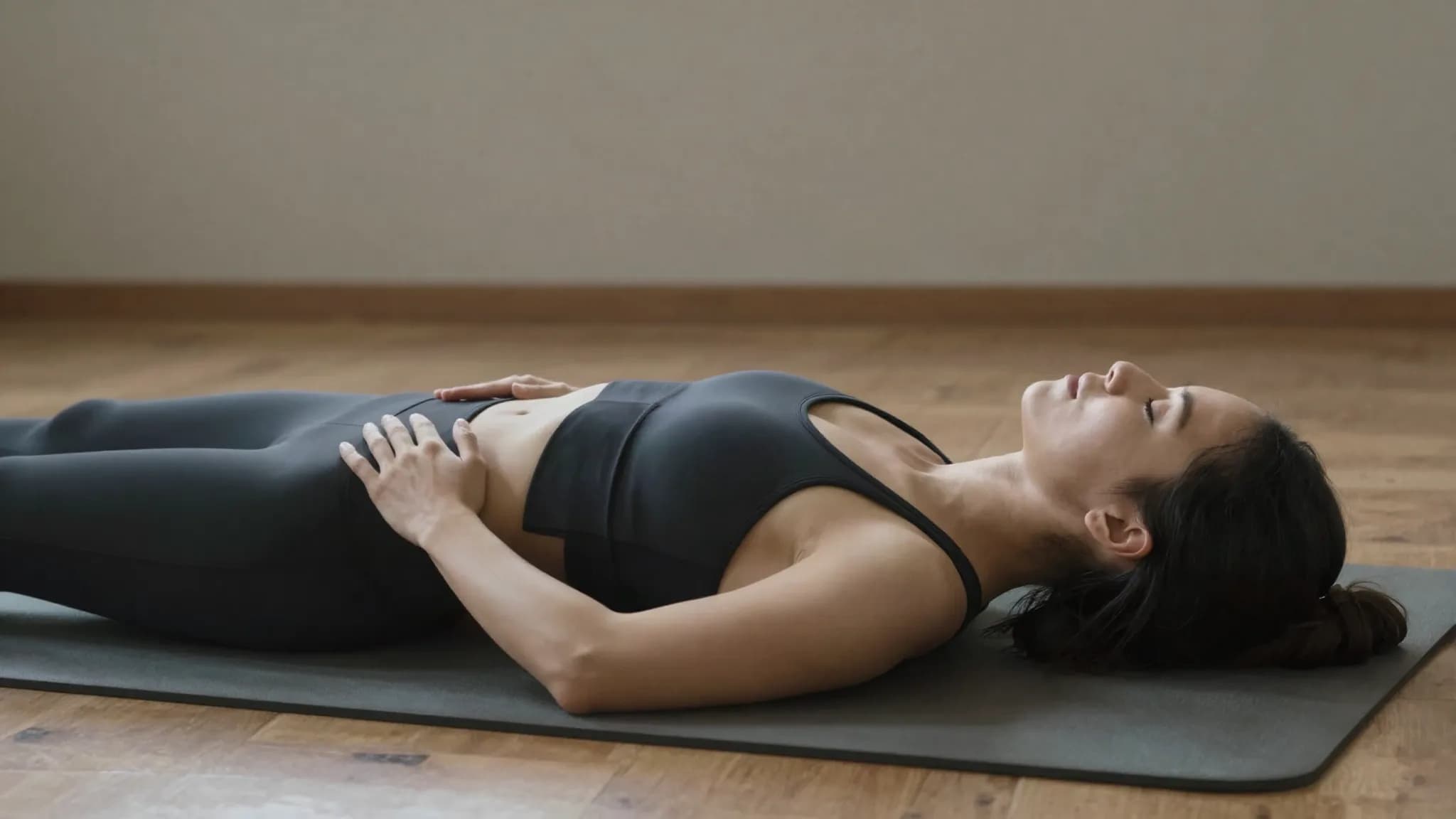
Somewhere on the internet right now, someone is being told to take a handful of fast, deep breaths before holding their breath underwater, on the theory that it loads up extra oxygen before the dive. It is one of the most persistent and most dangerous pieces of folk wisdom in breath hold sports, and it survives precisely because it feels like it should work. It does not, and understanding why matters more than almost any other single fact in this sport.
What is a CO2 table, and does it actually do anything?
Structured breath hold training does have a real evidence base behind it, distinct from casual hyperventilation. A CO2 table is a series of breath holds, usually static and land or pool based, with progressively shorter recovery breathing time between each hold, which allows carbon dioxide to build up gradually across the session and trains the body's tolerance for that rising CO2 sensation, according to a breakdown from Spearfactor's guide to CO2 and O2 training tables. An O2 table works differently, keeping recovery time steady while extending the hold itself, training the body to function on progressively less available oxygen.
Both tables are structured deliberately, with the progression planned in advance rather than improvised in the moment, and coaches typically track a diver's response across a session to make sure the tolerance being built is genuine adaptation rather than the diver simply pushing through discomfort recklessly.
The distinction matters because a CO2 table trains a diver to tolerate the burning, urgent sensation of needing to breathe without panicking or surfacing early, which is a real and useful adaptation, according to guidance summarised by Deep Med Centre's explainer on CO2 training approaches for beginners.
Why is hyperventilating before a hold actually dangerous rather than helpful?
This is where the evidence and popular intuition diverge sharply. Hyperventilation, several rapid, deep breaths taken right before a breath hold, does not meaningfully increase the amount of oxygen stored in the body. What it does do is flush carbon dioxide out of the bloodstream far below its normal level. Because the urge to breathe is triggered primarily by rising CO2, not falling oxygen, a body with artificially depleted CO2 delays that warning signal substantially, according to safety guidance published by BreathHold's safety guide to breath holding practice.
The practical result is a diver who feels comfortable and confident well past the point where their oxygen has actually dropped to dangerous levels, because the discomfort that would normally end the hold safely has been artificially suppressed. Oxygen keeps falling regardless of how the diver feels. When it drops far enough, the brain can lose consciousness with essentially no warning at all, which is the exact mechanism behind blackout. Hyperventilation does not extend a safe breath hold, it removes the alarm system that would otherwise end an unsafe one in time. This is precisely why the practice keeps recurring despite repeated warnings: it produces a genuine, felt sense of ease that a diver mistakes for improved capacity, when it is actually the opposite.
What does correct pre-hold breathing actually look like?
Proper preparation before any breath hold, in training or in the water, is close to the opposite of hyperventilation: slow, relaxed breathing, typically described as two to three minutes at a natural, unhurried rate of three to four breaths per minute, according to guidance in SSI's beginner's guide to breathing for freediving. Even a handful of fast, deep breaths taken instinctively before a hold, the kind many beginners do without realising what they are doing, constitutes meaningful hyperventilation and measurably raises blackout risk.
Why is training in water alone the one line that must never be crossed?
Whatever the training method, the setting matters as much as the technique. Land and pool based CO2 and O2 tables are typically done seated or lying down, out of any drowning risk, specifically so a diver pushing their tolerance safely does not also risk their life if the hold goes further than intended. The moment breath hold training moves into water, even a shallow home pool, the equation changes completely: a diver who blacks out on dry land simply resumes breathing once consciousness returns, while a diver who blacks out in water without a buddy present drowns. Breath hold training in water must never be done alone, under any circumstances, regardless of experience level or how many CO2 tables a diver has completed successfully on land.
What this means for anyone trying to improve their apnea time
The evidence supports patient, progressive tolerance training, done on land or under close, direct supervision in water, and it firmly rejects the shortcut culture around hyperventilation that circulates in casual spearfishing and freediving forums. The gap between the two is not subtle. One approach builds real physiological adaptation over weeks. The other manufactures a false sense of safety that has ended dives, and lives, without warning.
This article is journalism, not instruction, and nothing here is a training protocol to follow independently. Anyone wanting to build breath hold capacity safely should do so through a certified freediving course with a qualified instructor, who can supervise technique and set safe limits directly.
The physiology involved has not changed and will not change, whatever shortcut culture keeps circulating online. Slow breathing, patient progression and never training breath holds in water alone remain the entire foundation the sport is actually built on.
Published in The Outspoken Digest
Editorial desk
Outspoken Digest Diving DeskCovers freediving, recreational and technical diving, dive medicine and the incidents the sport learns from.
Newsletter
The Digest, in your inbox
One edition, sent when it is ready. No noise, and your address is never passed on.
Read Next
More Diving →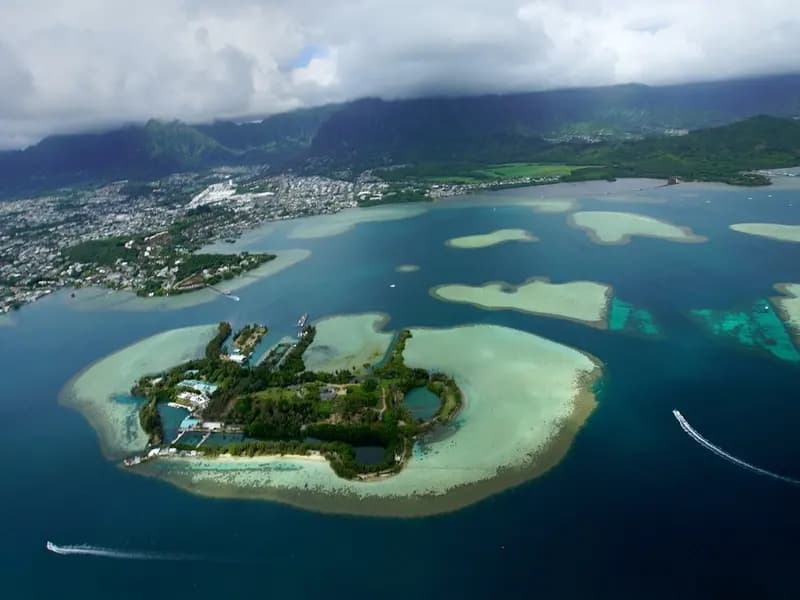
Playing Recordings of a Healthy Reef Drew More Coral and Fish Larvae to Artificial Structures Off Hawaii
Oct 9, 2026/3 min read
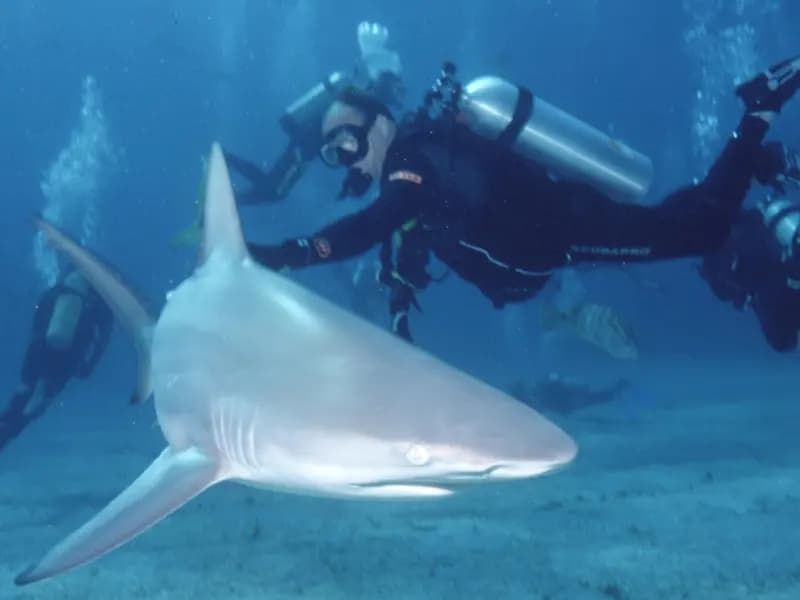
Blacktip Sharks Can Hear a Sound From Nearly 250 Feet Away and Swim Straight Toward or Away From It
Oct 1, 2026/2 min read
A Sea Turtle Species Never Recorded Nesting in the United States Laid Eggs on a Southern California Beach
Oct 1, 2026/2 min read
Marine Surveyors Confirmed Living Coral Off Benin, More Than Sixty Years After the Reef Was Presumed Dead
Sep 29, 2026/2 min read