Brent Climbs Back Above $105 After a Reported US Strike on Qeshm Island Interrupts Monday's 7.6% Plunge
Oil had its biggest one-day fall since July on hopes of a US-Iran deal, then edged higher in Asia after officials described limited defensive strikes near the Strait of Hormuz.
Tuesday, November 3, 2026/3 min read
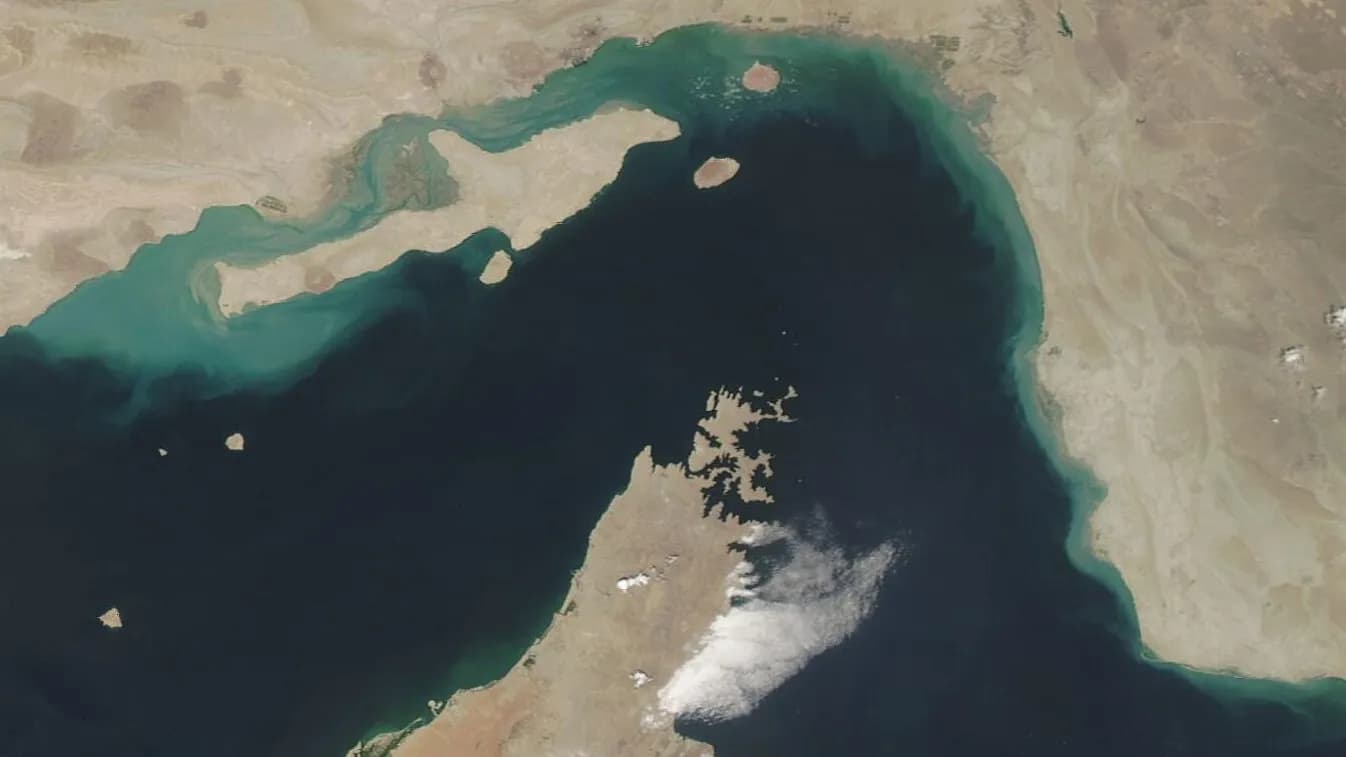
Oil did two things in twelve hours. On Monday Brent crude settled 7.63 percent lower at $104.77 a barrel and West Texas Intermediate 7.36 percent lower at $96.46, the largest one-day percentage drops for both since 27 July, on signs that Washington and Tehran were edging toward a deal, NBC News reported. Then, overnight, US officials said American forces had carried out "limited defensive strikes" on Iranian targets on Qeshm Island near the Strait of Hormuz, and Brent was back at $105.25 by 01:04 GMT on Tuesday, up 48 cents, with WTI at $96.93, FinanceFeeds reported, citing Reuters.
Brent was near $106 in later Asian trade. The gap between the two days is the whole story: the market is pricing a settlement and a war at the same time.
Why did oil fall 7 percent on Monday?
Because Iran looked like it was choosing to keep talking. Iran's president said Supreme Leader Mojtaba Khamenei had granted the government "certain authorities" to resolve problems through dialogue, and Donald Trump, asked twice by NBC whether he was considering strikes on Iran after the midterms, answered "No" both times. He posted that Tehran "wants a settlement, as soon as possible. It could happen!" and claimed the day's fall as a win. Iran's foreign ministry said the Qatar-mediated talks were built on its September seven-step proposal, now compressed so that the Strait of Hormuz could reopen on the second day if the United States met its conditions, including lifting the blockade of Iranian ports, according to the CBS News live blog. Three days of indirect talks in Doha produced no announced breakthrough, and Reuters reported a draft circulating as the Iranian team left the venue.
Diesel futures fell 5.4 percent, their biggest drop since May, but the pump price tells the longer story: the average US diesel price was $6.29 a gallon on Monday morning, up 77 percent this year, and global crude is about 45 percent higher than when the war began in late February.
What happened on Qeshm Island?
At 21:48 ET on Monday, multiple US officials told CBS that American forces had struck Iranian targets near the strait, and a senior military official said the strikes hit Qeshm Island in response to Revolutionary Guard fire on a US aircraft. The Wall Street Journal, citing US officials, reported the same, with some describing the action as intended to stop Iran targeting commercial ships. US Central Command had not confirmed the strike when the morning reports were written. Iranian state media said the same day that 11 tankers had caught fire in the strait over nine days, a claim CBS flagged as unverified, and the UK's UKMTO reported a vessel hit by an unknown projectile on Sunday.
Where does Brent go from here?
FinanceFeeds' base case is a $103 to $108 range while the talks run, with $100 needing a Hormuz deal and $113 needing the talks to break down after today's election. Bank of America's Francisco Blanch wrote in September that skirmishes into year end would keep Brent in a $95 to $120 band and that major infrastructure damage could send it to $150. Friday's settlement was $113.43, so even after Tuesday's bounce the market has taken out most of last week's war premium.
Marathon Petroleum reports before the US open this morning, one of the first refiners to describe a quarter with diesel above $6. The larger numbers come tonight, when the polls close and the White House decides what "after the midterms" means for Iran.
Published in The Outspoken Digest
Editorial desk
Outspoken Digest Markets DeskReports for The Outspoken Digest across Business, Crypto.
Newsletter
The Digest, in your inbox
One edition, sent when it is ready. No noise, and your address is never passed on.
Read Next
More Business →
Gold Slips to $3,921 and Silver Falls Back Below $50 on Election Day as Rate-Hike Odds Hold Near 75%
Nov 3, 2026/2 min read

Kospi Falls 3.7% as the US Chip Rout Spreads to Asia, Tokyo Shuts for Culture Day and the RBA Hikes to 4.85%
Nov 3, 2026/2 min read
Apple Posts a $114.5 Billion September Quarter, Up 12%, but Guides Margins Down to 45% to 46%
Nov 2, 2026/3 min read
S&P 500 Falls for a Third Day to 7,541 While the Dow Gains 213 Points as Money Leaves Tech on the Eve of the Midterms
Nov 2, 2026/2 min read