A Night-Owl Subtype of Depression Appears to Start Earlier, Hit Harder and Respond Worse to Common Antidepressants
Sydney researchers who analysed more than 10,000 Australians with depression found a group with seasonal, late-sleeping patterns. The findings are associations, and treatment claims are untested.
Wednesday, October 21, 2026/2 min read
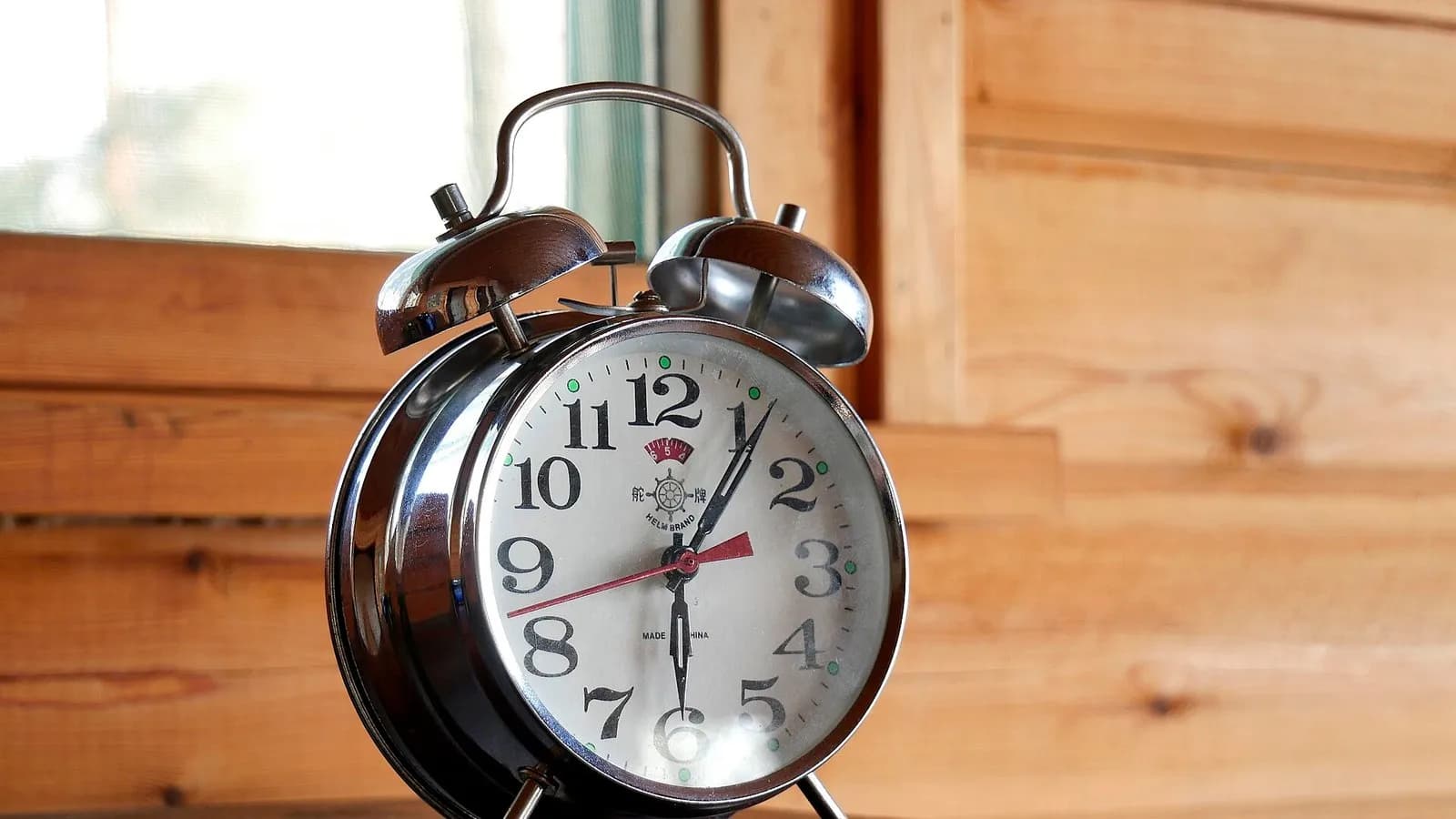
Not everyone who is depressed sleeps badly, wakes early and loses their appetite. Some sleep long, wake exhausted, feel worse in winter and come alive late at night. Researchers in Sydney say those people may form a distinct subtype of depression, and that standard antidepressants may help them less.
The analysis comes from the University of Sydney's Brain and Mind Centre and drew on more than 10,000 people in the Australian Genetics of Depression Study, Medical Xpress reported on 20 October. It describes the paper as published in the British Journal of Psychiatry.
What is circadian depression?
The researchers defined the subtype by features tied to the body clock: a seasonal pattern, sleeping longer when depressed, waking very tired and being a night owl. In the February preprint of the same work, participants counted as circadian if they met at least three of six features, including social jetlag, delayed sleep midpoint and sleep inertia. That group numbered 2,604 people, 23 percent of those analysed, and was 80 percent female with an average age of about 38.
What did they find?
Compared with other participants with depression, the circadian group reported symptoms starting earlier and more severe illness, including more hypomanic-like experiences and more suicidal thoughts. They also carried higher genetic risk scores linked to inflammatory and cardiovascular conditions and to ADHD, and they reported poorer response to SSRIs and SNRIs, with more side effects.
The lead author, Dr Emiliana Tonini, said depression is not a uniform illness. Co-senior author Dr Jacob Crouse said clinicians should reach for body-clock treatments earlier in people with this presentation, according to Medical Xpress.
How strong is the evidence?
Treat it as early. The preprint states the design is cross-sectional, so it cannot show that being a night owl causes treatment failure. Medication response was reported by participants. The authors say independent replication is needed before the biology and predictive value are pursued.
Medical Xpress describes melatonin, melatonin-targeting antidepressants and light therapy as more suitable, but the sources do not say these were tested in this study. They remain hypotheses for clinical trials, and the Australian-only sample may not describe other populations.
What should readers do with this?
This is reporting, not medical advice. Nobody should stop or change an antidepressant, start melatonin or begin light therapy because of a single study. Depression treatment, and any decision about medication or sleep-timing changes, belongs with a clinician who knows your history. If you are having thoughts of harming yourself, contact local emergency services or a crisis line straight away.
The next step is a trial that sorts people by body-clock pattern and tests treatments directly. Until one reports, the useful message is narrower: a late, long-sleeping, seasonal pattern is worth describing to a doctor.
Published in The Outspoken Digest
Editorial desk
Outspoken Digest Health DeskMedicine, public health and the research behind the headlines, read carefully.
Newsletter
The Digest, in your inbox
One edition, sent when it is ready. No noise, and your address is never passed on.
Read Next
More Health →
CDC and FDA Link Salmonella Illnesses in 12 States to Raw Oysters From Virginia's Little Wicomico River
Oct 20, 2026/2 min read
FDA Approves Dostarlimab for dMMR Rectal Cancer, an Option That May Spare Some Patients Surgery
Oct 19, 2026/2 min read

Kenya's Ebola Count Rises to Seven After Three Health Workers Who Treated the First Patient Test Positive
Oct 17, 2026/2 min read

BMJ Analysis Warns Fast-Growing Private Testosterone Prescribing Could Land on the NHS
Oct 14, 2026/2 min read