Coral Bleaching and the Reefs Divers Love: The Current State
The fourth global coral bleaching event hit 84 percent of the world's reefs. Here is what that means underwater, and what responsible diving looks like now.
Thursday, June 18, 2026/4 min read
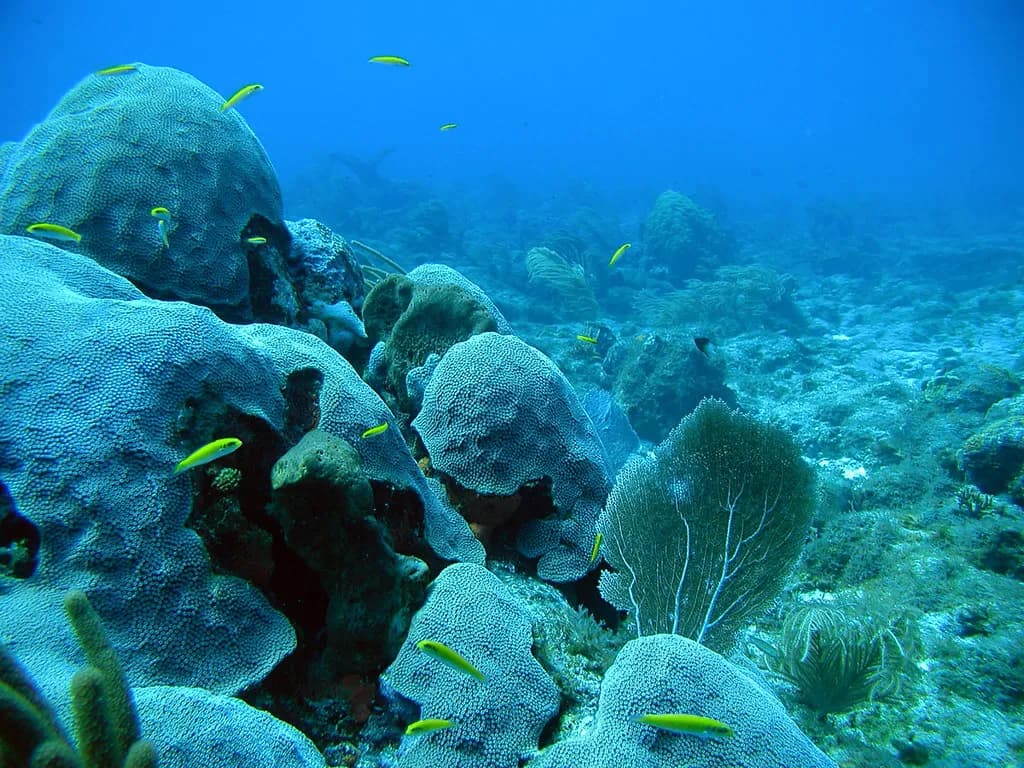
Every diver who has been in the water long enough has a before-and-after story about a reef: a site that used to be a wall of colour, now patchy and pale in places it never was a few years back. For much of the last two and a half years, that story has not been anecdotal. It has been global, measured, and confirmed by the same agencies that dive operators rely on for water temperature and storm data.
What actually happened, and when
NOAA formally confirmed the world's fourth global coral bleaching event on 15 April 2024, marking only the fourth time this has occurred since record keeping in this form began. According to NOAA's own announcement, the event affected reefs across both hemispheres, and by the time monitoring caught up with the full scale of it, the numbers were sobering: bleaching-level heat stress touched approximately 84 percent of the world's coral reef area between January 2023 and September 2025, according to the International Coral Reef Initiative, spanning documented mass bleaching in at least 83 countries and territories.
For context on scale, the first global bleaching event in 1998 affected 21 percent of reefs, rising to 37 percent in 2010 and 68 percent during the third event between 2014 and 2017, according to reporting from Mongabay. Each event has been larger than the last, and monitoring platforms have had to add entirely new alert levels, three additional tiers on the standard Bleaching Alert Scale, simply to describe risk severe enough to predict outright coral mortality rather than temporary bleaching.
Has it ended, and what does that actually mean
According to NOAA's satellite monitoring service, the fourth global bleaching event likely concluded around mid-2025, following a severe final wave of bleaching recorded in Western Australia in early 2025. Global heat stress readings have declined since, with only isolated bleaching reports since that point rather than the sustained global pattern seen through 2024.
That is not the same as recovery, and scientists tracking the event have been explicit about the distinction. The gap between global bleaching events has been shrinking with each cycle, and researchers now describe an era in which many reef systems face near-annual bleaching stress rather than the years-long recovery windows corals evolved to rely on. Bleaching itself is not always fatal to coral; a colony that loses its symbiotic algae under heat stress can recover if temperatures drop in time, but repeated, closely spaced bleaching events reduce that recovery odds each time they recur.
What this means for the reefs divers actually visit
The event's reach was genuinely global rather than confined to one ocean basin, touching everywhere from the Mesoamerican Reef in the Caribbean to reef systems in the Red Sea, an area whose corals had previously drawn scientific attention specifically for unusual heat tolerance. Even reefs with a reputation for resilience showed measurable stress during this cycle, a detail that has prompted renewed research interest in exactly which coral populations are proving more heat-adapted and why.
Why some reefs held up better than others
Not every reef system responded to this event identically, and that variation has become a genuine area of scientific focus. Certain reef zones, including parts of the Red Sea long studied for unusually heat-tolerant coral, showed comparatively less severe bleaching than reefs at similar latitudes elsewhere, prompting closer research into which specific coral genotypes and symbiotic algae combinations confer greater thermal tolerance. That research matters directly to divers, since it increasingly shapes which reef systems conservation funding and restoration projects prioritise, and destinations built around naturally resilient reefs may increasingly market that resilience as part of their appeal.
What responsible diving looks like during a recovery window
None of this means divers should avoid affected reefs, and dive tourism revenue in many regions directly funds the marine park enforcement and research that reef recovery depends on. It does mean adjusting behaviour with the additional stress reefs are under in mind. Basic reef-safe diving practice matters more, not less, during a recovery period: maintaining strict buoyancy control to avoid fin or body contact with coral, never standing on or touching reef structure even briefly, and using reef-safe, mineral-based sunscreen rather than oxybenzone-based products linked in research to coral stress.
Divers can also play a genuine, if modest, role in monitoring. Citizen science programmes built around platforms like NOAA's Coral Reef Watch increasingly rely on diver-submitted observations and photographs to track bleaching extent between formal survey expeditions, meaning a holidaying diver's photographs of a familiar reef can, submitted through the right channel, contribute real data.
What divers can actually do
- Maintain strict buoyancy and fin control around coral, especially bleached or recovering colonies, which are more fragile than healthy tissue.
- Use mineral-based, reef-safe sunscreen and avoid oxybenzone and octinoxate formulations linked to coral stress in research.
- Support operators who fund local marine park enforcement and reef monitoring, since dive tourism revenue increasingly underwrites reef protection in many regions.
Coral bleaching data, reef health assessments and marine park guidance change as monitoring continues, so divers planning trips to reef-dependent destinations should check current conditions and local guidance before travelling, rather than assuming a reef's condition from an earlier visit or an older report.
The reefs divers love are under more sustained pressure than at any point since monitoring began, but they are not gone, and the choices made by the millions of people who dive them each year, from sunscreen to fin placement to which operators get booked, still add up to something that matters for how much of this coral survives the next cycle, and how much remains for the divers who come after this one.
Published in The Outspoken Digest
Editorial desk
Outspoken Digest Diving DeskCovers freediving, recreational and technical diving, dive medicine and the incidents the sport learns from.
Newsletter
The Digest, in your inbox
One edition, sent when it is ready. No noise, and your address is never passed on.
Read Next
More Diving →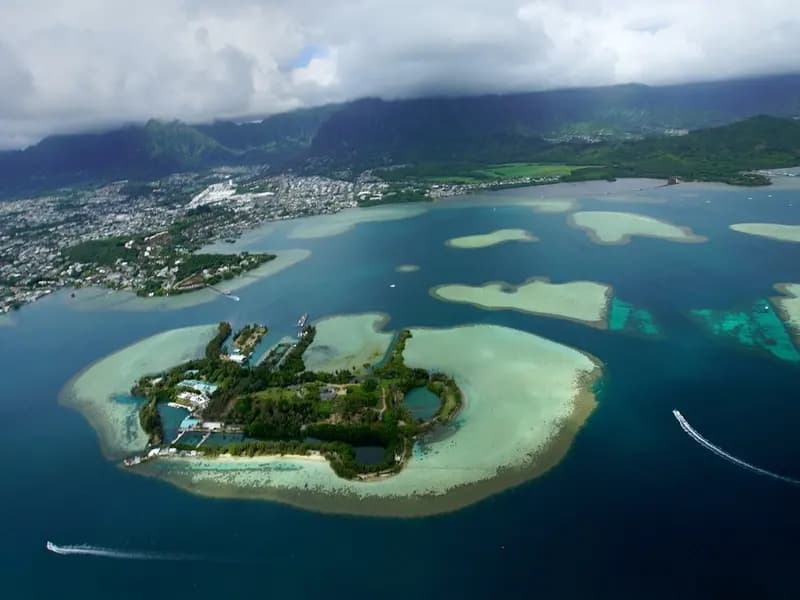
Playing Recordings of a Healthy Reef Drew More Coral and Fish Larvae to Artificial Structures Off Hawaii
Oct 9, 2026/3 min read
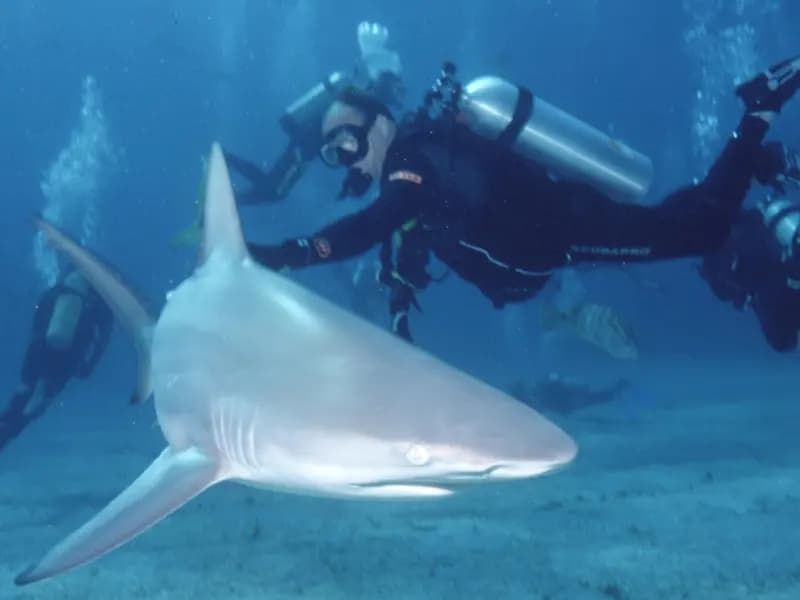
Blacktip Sharks Can Hear a Sound From Nearly 250 Feet Away and Swim Straight Toward or Away From It
Oct 1, 2026/2 min read
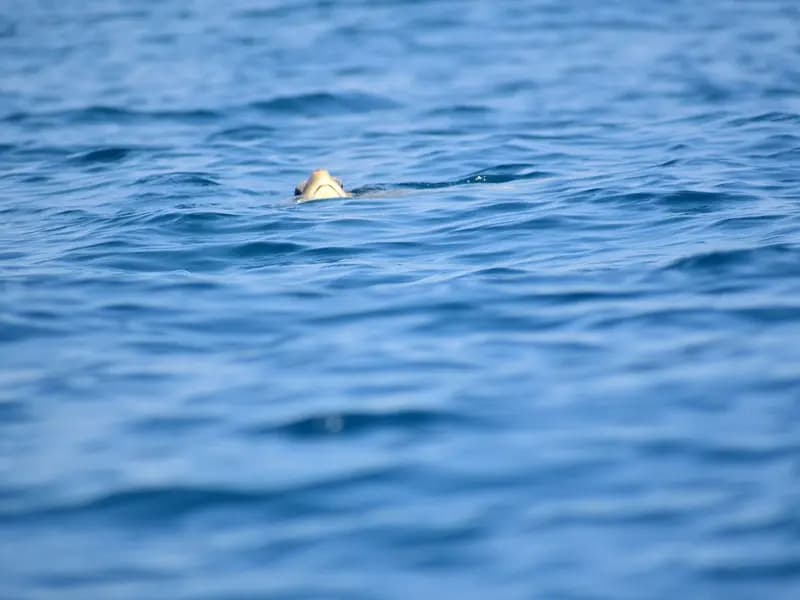
A Sea Turtle Species Never Recorded Nesting in the United States Laid Eggs on a Southern California Beach
Oct 1, 2026/2 min read
Marine Surveyors Confirmed Living Coral Off Benin, More Than Sixty Years After the Reef Was Presumed Dead
Sep 29, 2026/2 min read