The Crookie: How a Paris Bakery's Side Project Broke TikTok
A Paris pastry chef stuffed cookie dough into a croissant almost as an afterthought, and it turned into a worldwide bakery trend within months.
Wednesday, April 10, 2024/4 min read
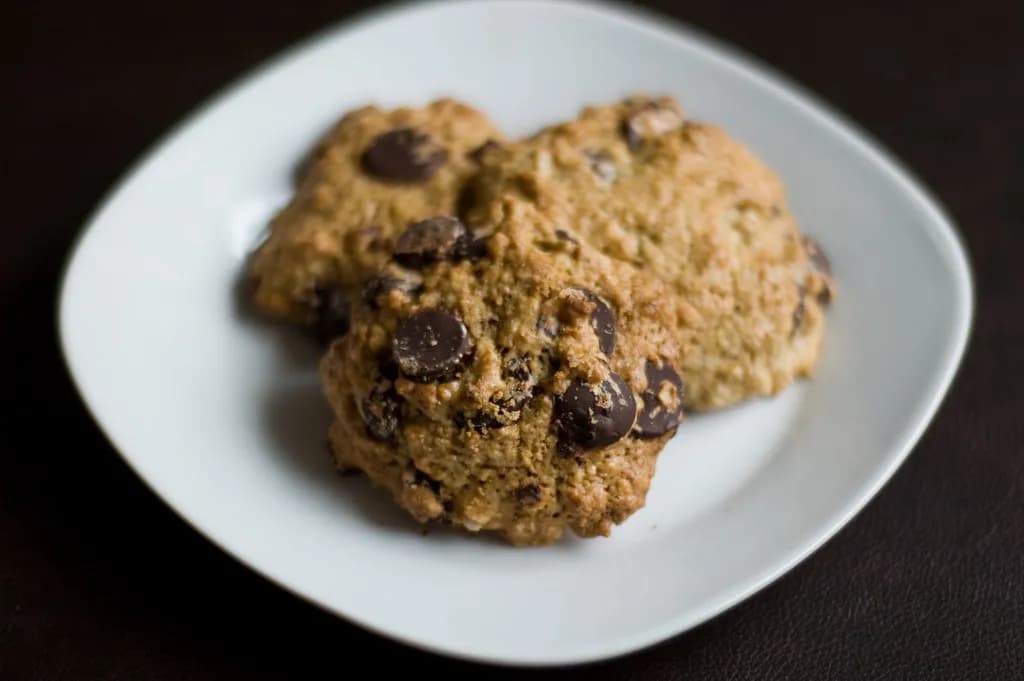
For two years, the crookie was a quiet regulars-only order at a single bakery on Rue de Chateaudun in Paris's 9th arrondissement. Then a phone camera found it, and now bakers from Brussels to Singapore are splitting croissants in half to stuff them with cookie dough.
The pastry was invented in 2022 by Stephane Louvard at Boulangerie Louvard, according to reporting from the South China Morning Post. It wasn't conceived as a headline product. Louvard has described it as something he made for loyal customers, nothing more, until the internet decided otherwise.
Who invented the crookie?
Louvard is the sole credited creator. His method takes a classic French butter croissant, splits it, and fills the middle with raw chocolate chip cookie dough before baking it again so the dough sets while the croissant layers stay flaky. The result eats like two pastries stacked into one, a contrast of shattering lamination and the dense, chewy give of baked cookie dough.
How did the crookie go viral?
The first spark came from an Instagram account called The Ultimate Guide, which specializes in scouting Paris eateries, according to The Local. That post pushed daily sales from a niche order to 150 to 200 a day. The real explosion came in early 2023, when TikTok creator Johan Papz filmed himself biting into one, and the video did what viral food videos do best: made thousands of people need to try it immediately.
By the time the trend crossed into 2024, Boulangerie Louvard was producing between 1,000 and 1,600 crookies a day and had hired extra staff just to keep pace, per the same reporting. Copycats followed fast. Bakeries in Brussels, New York, Tel Aviv, and Singapore now sell their own versions, some faithful to the original, some reinterpreted with Nutella, biscoff, or matcha fillings, according to Euronews.
Why did this hybrid pastry catch on so fast?
Part of the answer is timing. Bakery mashups have a track record of going viral, from the cronut a decade earlier to the more recent crookie boom, and audiences on TikTok have shown a consistent appetite for pastries that visibly combine two familiar things into something new. The crookie also has an easy visual hook: pulling it apart reveals gooey, half-baked cookie dough nested inside flaky croissant layers, which is exactly the kind of close-up, slow-pull shot that performs well on video.
It also helps that both halves of the equation, the croissant and the chocolate chip cookie, are near-universal comfort foods on their own. The crookie doesn't ask anyone to try something unfamiliar. It just asks them to imagine wanting both at once.
Is the crookie actually good, or just good on camera?
Texture is where opinions split. Done well, the contrast between crisp, buttery croissant layers and a soft, slightly underbaked cookie center works. Done poorly, and plenty of copycats fall into this trap, the croissant turns soggy from the raw dough, or the cookie portion overbakes into something closer to a biscuit than a gooey center. Reporter Gourmet, reviewing the original at around 7 euros a piece, called it worth the price, but noted that quality varies wildly outside Louvard's own bakery.
The trend also raises a fair question about croissants generally, a pastry with centuries of technique behind it, and whether stuffing it with cookie dough is an innovation or a gimmick. Purists tend to bristle. Everyone else seems to just want a bite.
Where is the crookie trend headed?
For now, Boulangerie Louvard remains the reference point, and Louvard himself has watched his side project outgrow the bakery that made it. As with most viral pastry mashups, the real test will be whether the crookie earns a permanent spot on menus once the novelty wears off, or whether it fades the way earlier hybrid pastries eventually did. Either way, for a bakery in the 9th arrondissement that used to sell crookies almost as an afterthought, the demand shows no sign of slowing down yet.
How is a crookie different from a cronut?
The comparison to Dominique Ansel's cronut, the croissant-doughnut hybrid that went viral a decade earlier, is inevitable, but the two pastries work quite differently. The cronut reshapes the croissant dough itself into a doughnut form and deep fries it, changing the fundamental cooking method entirely. The crookie keeps the croissant intact and baked as normal, simply splitting it to insert a second, entirely separate pastry inside before a final bake. It's less a transformation of the croissant than an addition to it, which is part of why home bakers have found it far easier to replicate than the more technical cronut ever was.
Can you make a crookie at home?
Plenty of home bakers have tried, usually starting with a good quality bakery croissant rather than attempting to laminate dough from scratch, since the lamination is the hardest part of a croissant to get right and buying one solves that problem entirely. From there, splitting the croissant, packing in raw chocolate chip cookie dough, and rebaking at a moderate oven temperature until the dough sets but stays soft in the center gets reasonably close to the original, even if it lacks the exact butter quality of a proper French bakery croissant.
Published in The Outspoken Digest
Editorial desk
Outspoken Digest Food DeskCooking, ingredients, restaurants and the economics of what ends up on the table.
Newsletter
The Digest, in your inbox
One edition, sent when it is ready. No noise, and your address is never passed on.
Read Next
More Latest Trends →
Navi Pillay, the South African Jurist Who Led the UN Gaza Inquiry, Wins the 2026 Nobel Peace Prize
Oct 9, 2026/3 min read

Trump Says the US Will Not Attack Iran Before the Midterms, While Tanker Attacks Cut Hormuz Traffic to a Two-Month Low
Oct 9, 2026/3 min read

Russian Strikes Killed 22 in Pryluky and at Least 30 on Two Buses in Kramatorsk Within Two Days
Oct 9, 2026/2 min read

A Year After the Gaza Ceasefire, More Than 100 Aid and Rights Groups Say It Exists in Name Only
Oct 9, 2026/2 min read