What DAN's Diving Fatality Data Actually Shows
DAN's annual diving reports track how divers die each year, and the leading cause is rarely the dramatic equipment failure popular imagination assumes it to be.
Friday, June 19, 2026/3 min read
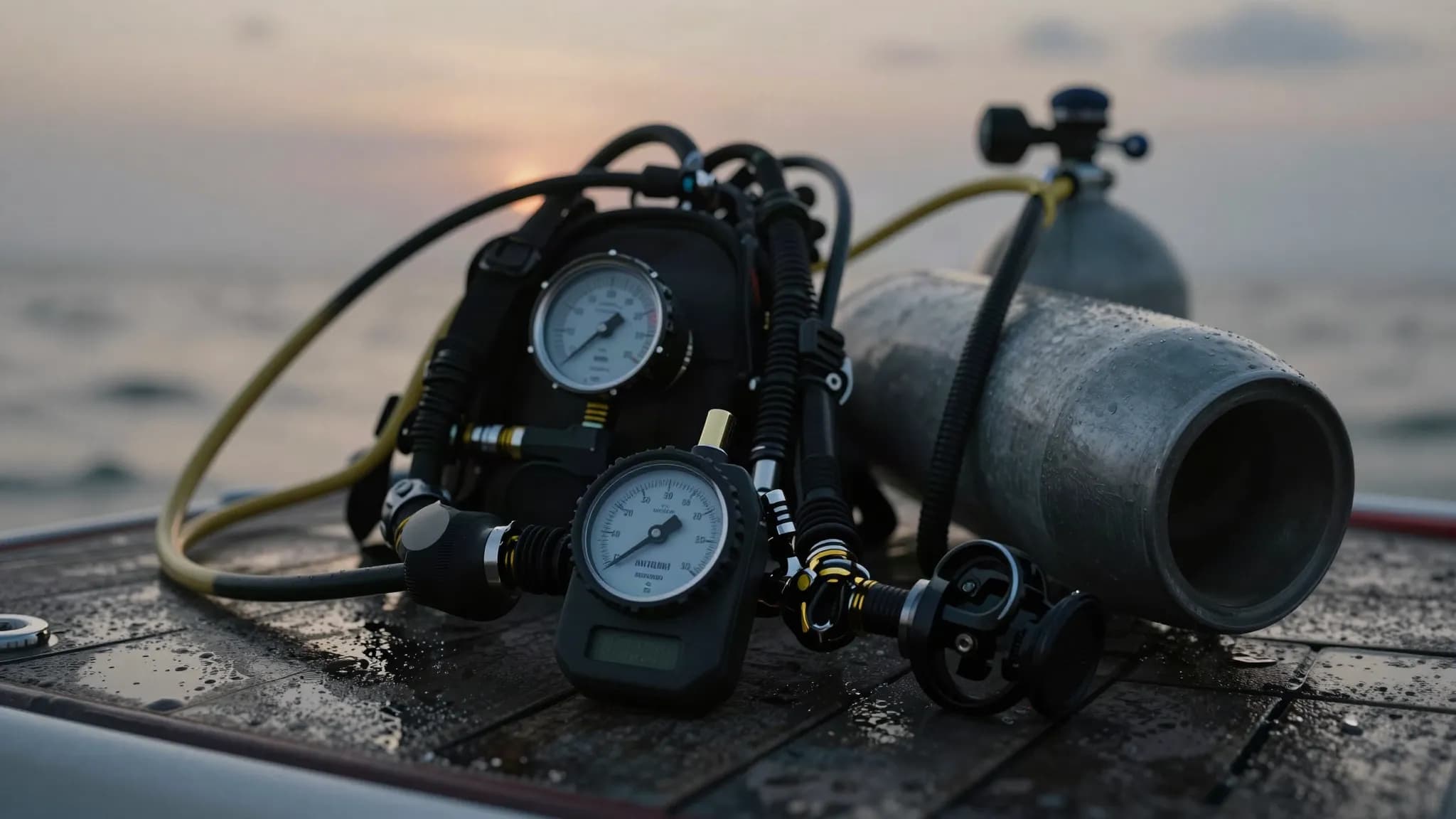
Ask a non-diver how divers die and the answer usually involves a shark, a burst air hose, or getting lost at depth with the gauge sitting on empty. Ask the Divers Alert Network, which has spent decades actually collecting the data, and the picture looks different. The single most common thread running through fatal diving accidents is not equipment failure or an exotic underwater hazard. It is the diver's own body, often in ways that had nothing to do with diving until the moment it did.
What DAN's Annual Diving Report actually tracks
DAN publishes an ongoing Annual Diving Report summarising diving incidents, injuries and fatalities collected throughout the year, alongside detailed case analyses of selected incidents. According to an edition of the report archived by the National Center for Biotechnology Information, the purpose of the exercise is not simply to count deaths but to understand the chain of events, sometimes called the trigger, the disabling agent and the cause, that leads from a normal dive to a fatal one.
The overlooked leading cause: the diver's own health
For years, the assumed leading trigger for fatal diving accidents was running out of breathing gas underwater, and older analyses did identify it as the single most common first event in roughly 41 percent of cases, according to a summary of DAN-adjacent research collated by Private Scuba. More recent DAN research has shifted that picture, identifying underlying health problems, rather than a procedural or equipment failure, as the leading triggering event overall. Reporting drawing on autopsy data found in coverage of DAN research by Scuba Diving Industry Magazine notes that in a notable share of fatalities with autopsy results, more than half, the confirmed cause of death was an acute cardiac event, not drowning as commonly assumed and not a diving-specific injury like decompression sickness.
Why drowning is usually the last link, not the first
Drowning frequently appears as the listed cause of death in diving fatalities, but DAN's own analysis, described in an overview from Scuba Diving magazine, treats it more accurately as the final event in a chain rather than the root problem. A diver who suffers a cardiac event, loses consciousness from a medical issue, or becomes incapacitated by task overload underwater will frequently drown as the mechanical end result. Recording drowning as the sole cause without tracing what triggered it obscures the more useful safety lesson underneath.
The procedural errors that still matter
None of this means procedural and skill-based errors are irrelevant. DAN-analysed accidents continue to show a recurring set of contributing procedural issues: buoyancy control problems, rapid or uncontrolled ascents, missed decompression stops, general skill limitations relative to the dive being attempted, difficulty equalising the ears, and failure to properly monitor remaining air supply, according to the same body of research summarised by Scuba Diving magazine. These issues frequently compound a medical event rather than standing entirely apart from it: a diver managing a cardiac irregularity underwater is also less able to manage buoyancy or monitor gas carefully at the same time.
What the overall fatality rate looks like
Framed against the sheer number of dives conducted worldwide, recreational scuba diving's fatality rate sits at roughly 2 fatalities per 100,000 dives, or approximately one death for every 50,000 dives, a figure cited by Private Scuba's review of diving death statistics. DAN separately reports well over 1,000 diving-related injuries in a typical year, with more than 10 percent of reported cases proving fatal. Those figures describe recreational diving broadly and are not a like-for-like statistic for the higher-risk technical and cave diving discussed elsewhere in this publication, which carries its own distinct risk profile and is not folded into the general recreational rate.
Why the data matters more than the anecdote
The value of DAN's ongoing reporting is that it replaces vivid, memorable individual stories with a pattern built from thousands of cases. That pattern points divers, instructors and physicians toward the interventions that actually reduce deaths, better pre-dive medical screening, more consistent buoyancy training, clearer gas management habits, rather than toward whatever the last dramatic headline happened to describe. It is also, quietly, an argument for the kind of continuous medical monitoring organisations like DAN Europe apply during technical and rescue operations: if a cardiac event can end a routine reef dive, it can just as easily end a demanding technical or recovery dive, and mitigation has to account for that regardless of a diver's training level.
Published in The Outspoken Digest
Editorial desk
Outspoken Digest Diving DeskCovers freediving, recreational and technical diving, dive medicine and the incidents the sport learns from.
Newsletter
The Digest, in your inbox
One edition, sent when it is ready. No noise, and your address is never passed on.
Read Next
More Diving →
Playing Recordings of a Healthy Reef Drew More Coral and Fish Larvae to Artificial Structures Off Hawaii
Oct 9, 2026/3 min read
Blacktip Sharks Can Hear a Sound From Nearly 250 Feet Away and Swim Straight Toward or Away From It
Oct 1, 2026/2 min read
A Sea Turtle Species Never Recorded Nesting in the United States Laid Eggs on a Southern California Beach
Oct 1, 2026/2 min read

Marine Surveyors Confirmed Living Coral Off Benin, More Than Sixty Years After the Reef Was Presumed Dead
Sep 29, 2026/2 min read