Digital detox is real now: dumbphones, offline clubs, and why
The smartphone backlash isn't niche anymore. Dumbphones are making a comeback, and people are seriously considering it. Here's the data.
Outspoken Digest Technology Desk
Tuesday, December 10, 2024/3 min read
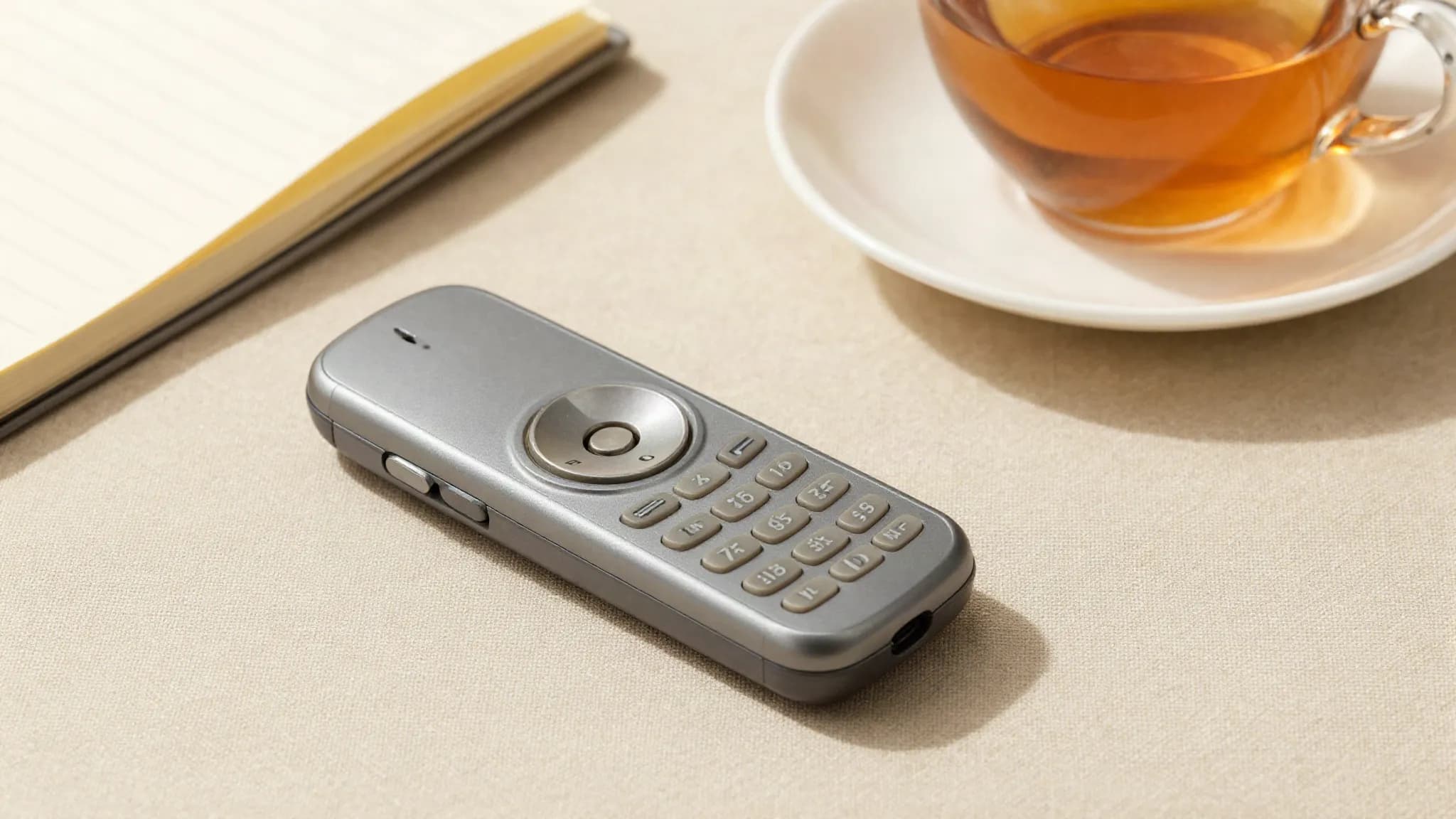
The Nokia 3210 was released in 1999 and sold 160 million units. Then smartphones killed it. But in 2024, Nokia relaunched the 3210 to celebrate its 25th anniversary, and it's actually selling. This isn't nostalgia marketing. It's a genuine sign that people are rethinking their relationship with smartphones. The dumbphone movement is real, and it's growing fast enough that manufacturers are paying attention.
For years, digital detox was something wealthy people did on retreat weekends. Go to a spa, leave your phone at the front desk, meditate, and feel better about yourself. Then you went home and checked your email 96 times a day. Today, digital detox is moving from a luxury experience to a genuine lifestyle choice. People are buying dumbphones and using them as primary devices. Offline clubs are forming in cities. Screen time limits are becoming social status symbols instead of signs of weakness.
The dumbphone boom
The feature phone market was supposed to be dead. Then people started buying dumbphones intentionally. According to Human Mobile Devices (HMD), the manufacturer of Nokia phones, the feature phone category is seeing a resurgence across all age groups. HMD has gained market share for two consecutive years, reporting double-digit growth in 2024 versus 2023. This isn't a rounding error. This is real momentum.
The popular models tell you something interesting about who's buying: the Light Phone 3 targets people who want a minimal device with only essential features. The Nokia 8210 4G adds some modern connectivity without the app ecosystem. The Sunbeam F1 Pro is aimed at people who want something durable and tactile. The Nokia 110 4G is for people in emerging markets who want a smartphone's connectivity on a dumbphone's interface.
What unites these devices is simplicity. No infinite scroll. No algorithmic feed. No notifications pinging every five minutes. Just calls, texts, and maybe a camera. It sounds primitive to anyone who's spent a decade with an iPhone or Android flagship. But that's exactly the point.
Why the backlash is real
The average person now checks their smartphone 96 times per day. That's once every 10 minutes, 24 hours a day, if you actually slept and used your phone less. Most people use it far more frequently during waking hours. That's not an accident. Smartphones are engineered to be addictive. Apps employ behavioral psychology to maximize engagement. Your attention is literally the product being sold to advertisers.
According to Vice's guide to the best dumbphones, people are switching not out of anti-technology sentiment but out of self-defense. They recognize that their smartphone is designed to capture their attention, and they're tired. A dumbphone isn't a Luddite statement. It's a practical tool for people who want to reclaim their time.
Recent research backs this up. A trial published in BMC Medicine found that reducing smartphone screen time for just three weeks significantly improved the well-being of participants. This isn't anecdotal. This is clinical evidence that smartphones negatively impact mental health, and that reducing usage actually helps.
The offline movement goes mainstream
Dumbphones are part of a larger trend. Digital detox is becoming a lifestyle choice, and offline spaces are becoming social destinations. In major cities, digital detox clubs are forming. These are groups that meet in person, phone-free, to connect and spend time together without digital mediation. It sounds quaint until you realize these are packed, especially with younger people.
App limiters, which restrict how much time you can spend on certain apps, used to be seen as admitting defeat. Now they're aspirational. Keeping your Instagram limit at 30 minutes a day is something people mention proudly, the way they might mention their gym routine.
Staring at a screen all day is starting to feel less like normal and more like a symptom of something wrong with how we've organized our world. It's not enough to make most people switch to dumbphones. But it's enough to make digital detox a mainstream topic instead of a fringe obsession.
What comes next
The dumbphone resurgence isn't going to kill the smartphone industry. But it's signaling something important: the idea that more connectivity is always better is finally being questioned. HMD is launching a "Shut the Phone Up Sunday" initiative to help people take regular breaks from their smartphones, bringing the concept into mainstream marketing.
This represents a genuine cultural shift. For the first time in a decade, choosing to use less technology is becoming socially acceptable, even aspirational. How far this trend goes depends partly on whether tech companies respond by making their products less addictive, or whether they double down on engagement tactics. Either way, the backlash is real and accelerating.
Published in The Outspoken Digest
Editorial desk
Outspoken Digest Technology DeskSoftware, hardware, artificial intelligence and what they change for everyone else.
Newsletter
The Digest, in your inbox
One edition, sent when it is ready. No noise, and your address is never passed on.
Read Next
More Latest Trends →
Navi Pillay, the South African Jurist Who Led the UN Gaza Inquiry, Wins the 2026 Nobel Peace Prize
Oct 9, 2026/3 min read

Trump Says the US Will Not Attack Iran Before the Midterms, While Tanker Attacks Cut Hormuz Traffic to a Two-Month Low
Oct 9, 2026/3 min read

Russian Strikes Killed 22 in Pryluky and at Least 30 on Two Buses in Kramatorsk Within Two Days
Oct 9, 2026/2 min read

A Year After the Gaza Ceasefire, More Than 100 Aid and Rights Groups Say It Exists in Name Only
Oct 9, 2026/2 min read