What Divers Alert Network Membership Actually Covers
DAN is a name every diver knows, but membership and dive accident insurance are not the same thing. Here is what each one actually buys you.
Monday, June 30, 2025/4 min read
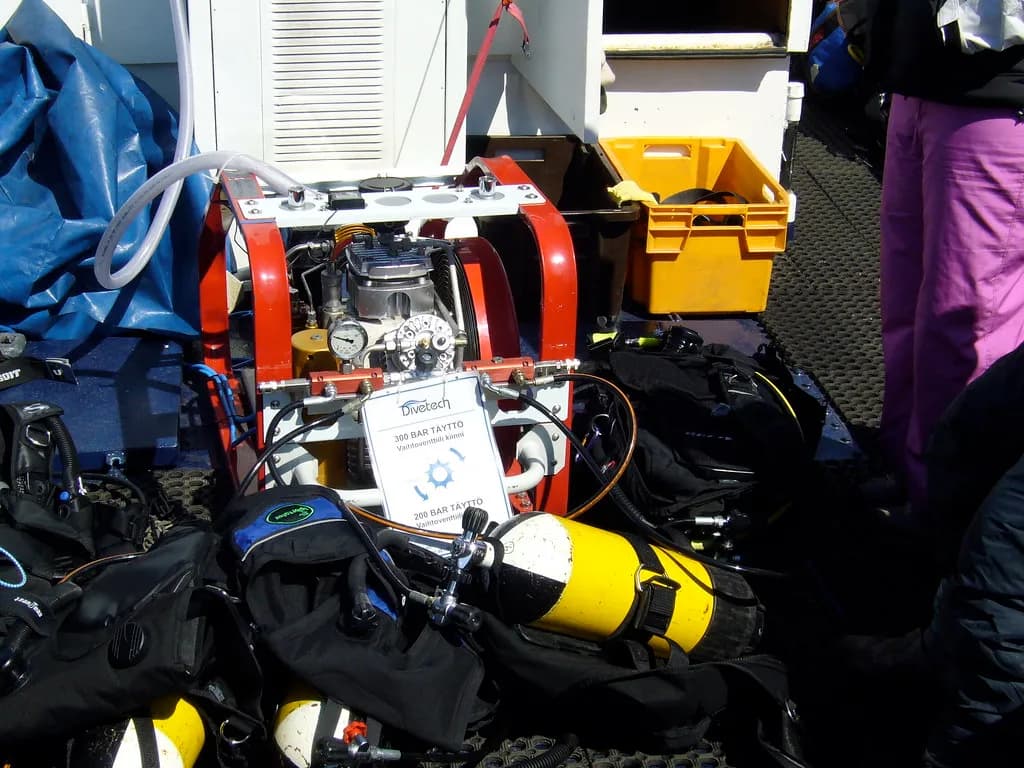
Every dive boat has a laminated card somewhere near the first aid kit with a number on it, and for a huge share of the world's divers that number belongs to Divers Alert Network. The name is familiar enough that most divers assume they understand what it does. Fewer can explain, accurately, what joining actually gets them.
That confusion matters because DAN membership and DAN's dive accident insurance are, despite sharing a name and an application page, two different products with two different jobs.
What DAN is
Divers Alert Network was founded as a nonprofit dedicated to diving safety and dive medical research, and it runs a widely used emergency hotline that divers, dive operators, and even treating physicians call when something has gone wrong on a dive. According to Wikipedia's overview of Divers Alert Network, DAN operates as an international network with affiliated organisations covering different regions, including DAN America, DAN Europe, and DAN Southern Africa, each running similar safety and membership programmes for their region.
What basic membership includes
Basic DAN membership is built around education and a specific travel benefit rather than dive accident coverage itself. According to DAN's own membership and insurance page, membership includes TravelAssist, an evacuation assistance benefit providing up to 100,000 dollars of coverage for diving and non-diving medical emergencies, though it only applies when the member is more than 50 miles from home. Members also get digital access to Alert Diver magazine, DAN's health and diving reference library, case summaries, safety quizzes, and access to medical consultation services such as Ask A Medic for non-urgent questions about fitness to dive, medication interactions, or dive physiology.
What basic membership does not include is coverage for the cost of dive accident treatment itself. A summary published in DAN's member benefits handbook makes the distinction explicit: membership does not cover dive accident costs, and separate insurance has to be purchased by each member who wants that protection.
Where the actual accident coverage comes from
Dive accident insurance is a distinct product divers buy on top of membership, and it is this insurance, not basic membership, that helps cover the costs that actually accumulate after a serious diving injury: hyperbaric chamber treatment, physician charges, emergency transportation from a remote dive site, and hospital charges. A chamber ride, in particular, is explicitly the kind of cost that falls outside basic membership and inside the separate insurance product, according to discussion of DAN's benefit structure summarised on ScubaBoard's community thread on DAN membership and insurance.
Why the distinction actually matters to a diver
The practical consequence is that a diver who has only joined DAN as a member, without adding accident insurance, has access to the emergency hotline, the evacuation assistance, and the educational resources, but not necessarily help with the bill for a multi-day hyperbaric treatment or an emergency medical flight home. Given that a single air evacuation from a remote dive destination can run into tens of thousands of dollars, and hyperbaric treatment is billed as intensive hospital care, that gap between membership and insurance is not a minor technicality.
Regional DAN affiliates structure their benefits slightly differently. DAN Southern Africa's page on its annual benefits lays out its own regional membership and insurance tiers, a reminder that a diver travelling internationally should check which DAN affiliate's coverage actually applies to the trip they are on, since benefits are not always identical or automatically portable between regions.
What this means for a diver deciding whether to join
This article explains what the products contain as journalism, not as insurance advice. Deciding what level of DAN membership and insurance is right for a specific diver's travel pattern, health history, and risk tolerance is a conversation for that diver with DAN directly, or with a certified instructor familiar with the options, not a conclusion to draw from a magazine article.
What the hotline itself actually does
Separate from the insurance question, DAN's emergency hotline serves a specific and immediate purpose during an actual incident: connecting a diver, a dive operator, or a treating physician on the scene with medical staff experienced specifically in diving injuries, who can advise on first aid, help locate the nearest appropriate hyperbaric facility, and coordinate with local emergency services. That kind of specialist guidance is not something a generic emergency line or a local hospital unfamiliar with diving medicine can necessarily provide quickly, which is part of why the number stays posted on dive boats regardless of what level of DAN product an individual diver happens to have purchased.
Why membership tiers matter for frequent travellers
Divers who travel often, particularly to remote destinations with limited local hyperbaric capacity, tend to treat the insurance product as closer to essential than optional, given how quickly evacuation and treatment costs can escalate outside a diver's home healthcare system. Occasional, local divers weigh the same decision differently, since their home insurance may already cover a chamber visit at a nearby hospital without needing DAN's supplemental policy at all. The point of understanding the distinction is simply to make that choice deliberately, rather than assuming the word membership already implies the coverage.
As diving keeps drawing people to increasingly remote destinations, far from the nearest hospital and often from the nearest hyperbaric chamber, the gap between having DAN's number in a wallet and actually having the coverage that number's help depends on is one worth every diver checking for themselves before, not after, they need it.
Published in The Outspoken Digest
Editorial desk
Outspoken Digest Diving DeskCovers freediving, recreational and technical diving, dive medicine and the incidents the sport learns from.
Newsletter
The Digest, in your inbox
One edition, sent when it is ready. No noise, and your address is never passed on.
Read Next
More Diving →
Playing Recordings of a Healthy Reef Drew More Coral and Fish Larvae to Artificial Structures Off Hawaii
Oct 9, 2026/3 min read
Blacktip Sharks Can Hear a Sound From Nearly 250 Feet Away and Swim Straight Toward or Away From It
Oct 1, 2026/2 min read

A Sea Turtle Species Never Recorded Nesting in the United States Laid Eggs on a Southern California Beach
Oct 1, 2026/2 min read
Marine Surveyors Confirmed Living Coral Off Benin, More Than Sixty Years After the Reef Was Presumed Dead
Sep 29, 2026/2 min read