Diving Egypt's Red Sea: Hurghada, Sharm and Dahab Compared
Three Egyptian dive bases, three different Red Seas. Here is what Hurghada, Sharm el-Sheikh and Dahab each actually deliver underwater.
Wednesday, February 14, 2024/4 min read
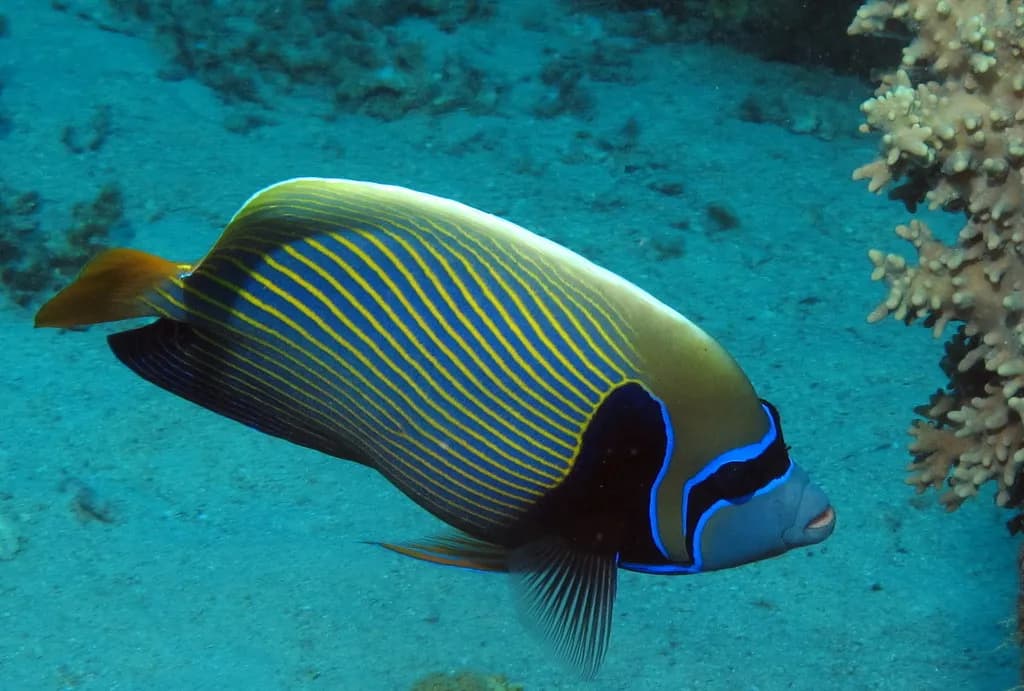
Ask three divers which Egyptian Red Sea town is best and you will get three different answers, and all three will be right. That is the first thing to understand about Hurghada, Sharm el-Sheikh and Dahab: they are not competing versions of the same holiday. They are three different relationships with the same sea.
The confusion is understandable. All three sit on Egypt's Red Sea coast, all three promise warm water and reliable visibility, and all three have built entire economies around scuba tourism. But a beginner booking a week in Hurghada and a technical diver flying into Sharm are, in practice, planning completely different trips.
The differences come down to geology, depth and what kind of diver each town was built for, long before marketing got involved.
What makes Hurghada diving different
Hurghada sits on the Egyptian mainland side of the Red Sea and has grown into the country's largest dive tourism hub, largely because its house reefs and offshore sites are forgiving. According to a comparison from Aquarius Red Sea, Hurghada offers ideal conditions for learning to dive, with calmer water and gentler currents than the sites further north.
It is also, somewhat counterintuitively, a serious wreck town. The Abu Nuhas reef alone hosts four accessible wrecks within a short boat ride, and El Mina sits closer to a Red Sea base than almost any comparable wreck in Egypt, according to reporting from Scubadore. For a diver who wants both a training-friendly base and a genuine wreck trail, Hurghada does double duty.
Why Sharm el-Sheikh still anchors serious Red Sea diving
Sharm el-Sheikh occupies the southern tip of the Sinai Peninsula, at the point where the Gulf of Aqaba meets the Gulf of Suez, and that position gives it access to arguably the most famous wreck in the world. The Thistlegorm, a British transport ship sunk by German bombers in 1941, sits at depths that suit trained divers rather than first-timers, alongside supporting wrecks like the Dunraven and Million Hope.
Sharm's proximity to the Straits of Tiran also means proper drift diving and a higher chance of pelagic encounters than Hurghada's gentler house reefs typically offer. It is, in effect, the base for a diver who has already logged dives elsewhere and wants Egypt's Red Sea at full intensity, without giving up creature comforts on land.
Dahab: the shore-diving town with a split personality
Dahab is different again, and smaller. It sits an hour's drive north of Sharm and has built its reputation on shore access rather than boat trips: divers can walk into the water from a café table, which has made it a magnet for backpackers, freedivers and technical divers alike. Wadi Tribe notes Dahab's clear water, gentle currents and dense schools of fusiliers and anthias as the daily draw, quite apart from its most famous feature.
That feature is the Blue Hole, a near-perfectly circular sinkhole in the reef that has made Dahab both celebrated and, in diving circles, notorious. It deserves its own separate treatment because the risk profile there is genuinely different from anything else on this coast, and conflating it with ordinary Dahab shore diving does a disservice to both.
The house reef habit that separates the three towns
One overlooked difference is how much of the diving in each town happens without a boat at all. Dahab's entire identity rests on shore access, walking off a jetty or a stretch of sand directly into a dive, which keeps costs down and lets divers set their own pace between sites. Hurghada and Sharm, by contrast, are almost entirely boat-based operations, since their best reefs and wrecks sit further offshore, which means a stricter daily schedule of morning and afternoon boat dives rather than the loose, all-day rhythm Dahab allows.
That single difference shapes the kind of traveller each town attracts as much as the marine life does. Families and first-time divers often prefer the structure of a boat schedule in Hurghada, while divers who want to log four or five relaxed dives a day at their own pace gravitate toward Dahab's shore culture instead.
Choosing between them honestly
The practical answer, according to most operators who work across the region, is that Hurghada suits new divers and families who want reliable conditions and cheaper accommodation, Sharm suits divers chasing wrecks and pelagic action with a wider spread of dive levels available, and Dahab suits divers who want a slower, shore-based rhythm and are comfortable making their own choices about what they dive and what they skip. Red Sea Scuba Diving frames the Sharm versus Hurghada choice around exactly this: skill level, budget and how much of the trip is about diving versus everything around it.
None of the three is objectively better. They reward different kinds of attention, and most experienced Red Sea divers eventually do all three rather than picking a permanent favourite.
What to check before booking
- Your certification level against the depth and current profile of the sites you actually want to dive, not just the town's reputation.
- Whether the operator is a member of a recognised training agency (PADI, SSI or similar) and dives with a dive computer and buddy system as standard.
- Current entry requirements and marine park fees, which change and should be confirmed directly with a licensed local operator before travel.
Conditions, permits and marine park rules in Egypt's Red Sea change from season to season, so divers should always confirm current guidance with a certified local operator before booking, rather than relying on any single article, including this one.
Whichever base a diver chooses, the Red Sea's pull is the same: warm water, extraordinary visibility by global standards, and a coral system that, despite regional bleaching pressure, still ranks among the most resilient on the planet. That resilience is worth protecting, one dive at a time, and it is worth remembering that all three towns depend economically on divers continuing to choose them responsibly for decades to come, not just for one good holiday.
Published in The Outspoken Digest
Editorial desk
Outspoken Digest Diving DeskCovers freediving, recreational and technical diving, dive medicine and the incidents the sport learns from.
Newsletter
The Digest, in your inbox
One edition, sent when it is ready. No noise, and your address is never passed on.
Read Next
More Diving →
Black Swallower Filmed With a Hugely Swollen Belly 1,259 Metres Down Off Trinidad and Tobago
Oct 13, 2026/2 min read
Playing Recordings of a Healthy Reef Drew More Coral and Fish Larvae to Artificial Structures Off Hawaii
Oct 9, 2026/3 min read
Blacktip Sharks Can Hear a Sound From Nearly 250 Feet Away and Swim Straight Toward or Away From It
Oct 1, 2026/2 min read
A Sea Turtle Species Never Recorded Nesting in the United States Laid Eggs on a Southern California Beach
Oct 1, 2026/2 min read