Dubai's Visitor Rewards Bet Turns Residents Into Tourism Ambassadors
A new incentive campaign asks Dubai residents to bring friends and family to the city, revealing how destinations compete when regional uncertainty weighs on travel.
Friday, July 24, 2026/2 min read
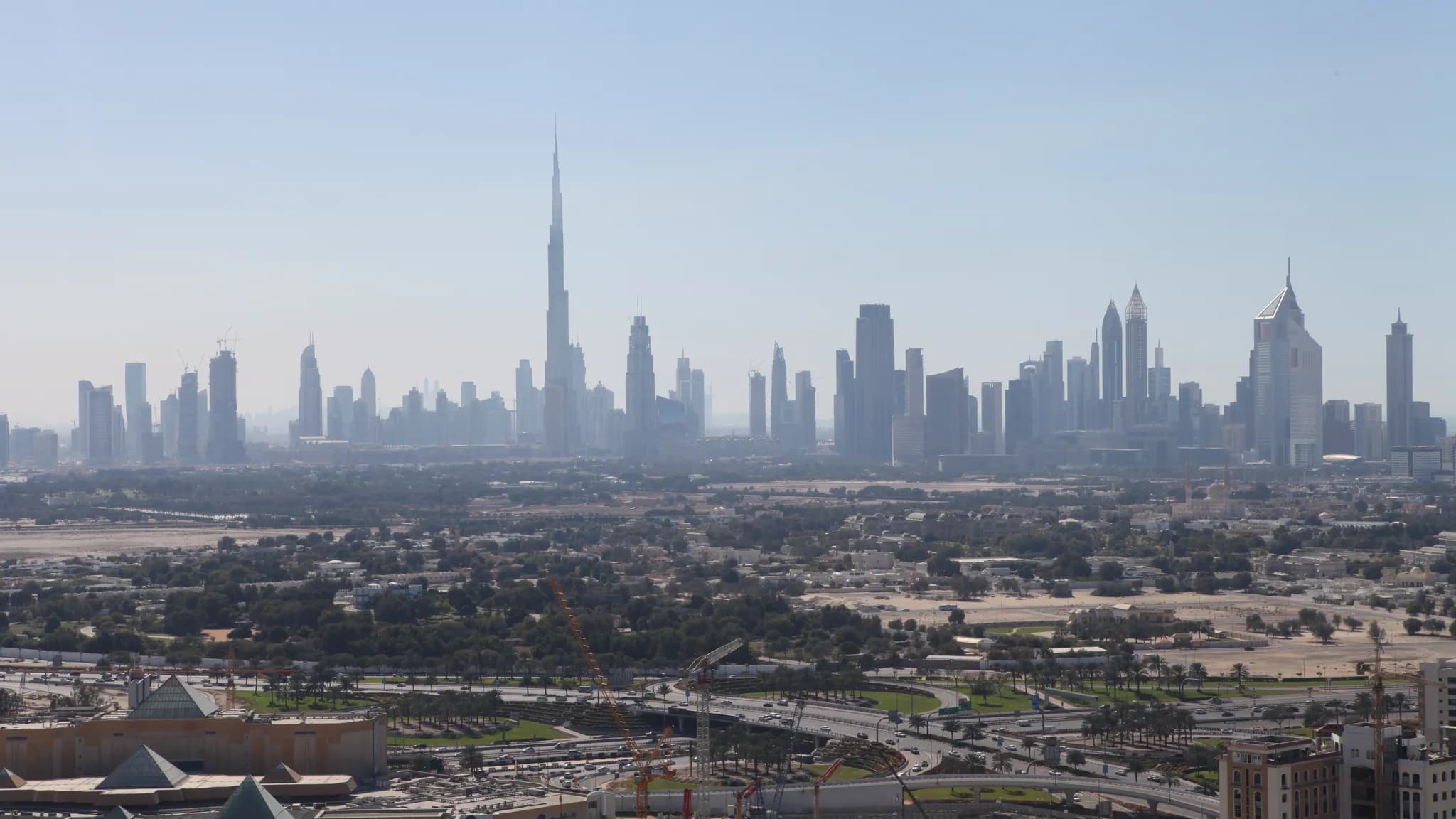
Dubai is trying a more personal form of destination marketing: asking residents to persuade friends and relatives to visit, with travel benefits attached. The campaign arrives as conflict and aviation disruption have made some international travelers more cautious about the wider region.
This article was prepared for the July 24 edition using current reporting and official background material. Dubai offers rewards to residents who attract visitors provides the immediate frame, while Official Dubai tourism information supplies the institutional context needed to interpret it.
What changed
The program turns word of mouth into a measurable tourism channel. Instead of relying only on glossy advertising abroad, it recruits people who already live in the city and can explain daily life, neighborhoods and practical travel details to potential guests. The offer is also a reminder that even a globally recognized destination has to defend demand when headlines create uncertainty.
The distinction between an announcement and a durable change matters. Headlines describe the new development; evidence over the next several weeks will show how widely it is used, how institutions respond and which early assumptions survive contact with operations.
Why the story matters now
Dubai has spent decades building an economy around aviation, hospitality, retail and events. That system is resilient, but it is connected: weaker flight schedules affect hotels, restaurants, attractions and thousands of smaller suppliers. A resident-led campaign can move faster than a conventional international media buy and speak with more credibility to hesitant travelers.
Dubai tourism statistics offers an additional reference point. Read together, the sources show why this story is not isolated: it connects policy, infrastructure, public confidence and the incentives of organizations expected to act.
What readers and organizations should do
For residents, the sensible calculation is not simply the size of a reward. They should compare eligibility rules, booking windows, blackout dates and whether a visitor would have traveled anyway. For travelers, the campaign does not replace checking airline notices, government advice and insurance coverage. An incentive can improve value, but it cannot remove operational risk.
- Check the date and scope of official notices before acting.
- Separate verified operational facts from forecasts and promotional claims.
- Keep a practical alternative when transport, health, finance or technology decisions are time-sensitive.
- Revisit the situation as new evidence becomes available.
What to watch next
The real test will be additional visits, not registrations or social-media attention. Tourism officials will need to show that the program brought genuinely new bookings, spread spending beyond the most famous districts and did not merely subsidize trips already planned. If it works, other cities may copy the resident-as-ambassador model.
The useful response is neither complacency nor alarm. It is to identify what has genuinely changed, who bears the risk and which indicators can confirm whether the first-day narrative was accurate. That is the standard Outspoken Digest will use as the story develops.
Published in The Outspoken Digest
Editorial desk
Outspoken Digest Travel DeskDestinations, airlines, borders and the practicalities of getting there.
Newsletter
The Digest, in your inbox
One edition, sent when it is ready. No noise, and your address is never passed on.
Read Next
More Travel →

Hurricane Simon Closes Puerto Vallarta's Airport and Sends Tourists to Shelters as a Category 4 Storm Nears Mexico
Oct 10, 2026/2 min read

Hurricane Isaias Closes Gulf Coast Airports and Clears Alabama's Beaches as Airlines Waive Change Fees
Oct 8, 2026/3 min read