Travellers Are Booking the Grandmother, Not the Landmark
Summer bookings show shorter trips, cooler destinations and a preference for experiences led by lifelong locals and traditional craftspeople. The multi country sprint is losing.
Outspoken Digest Culture & Travel Desk
Tuesday, August 4, 2026/4 min read
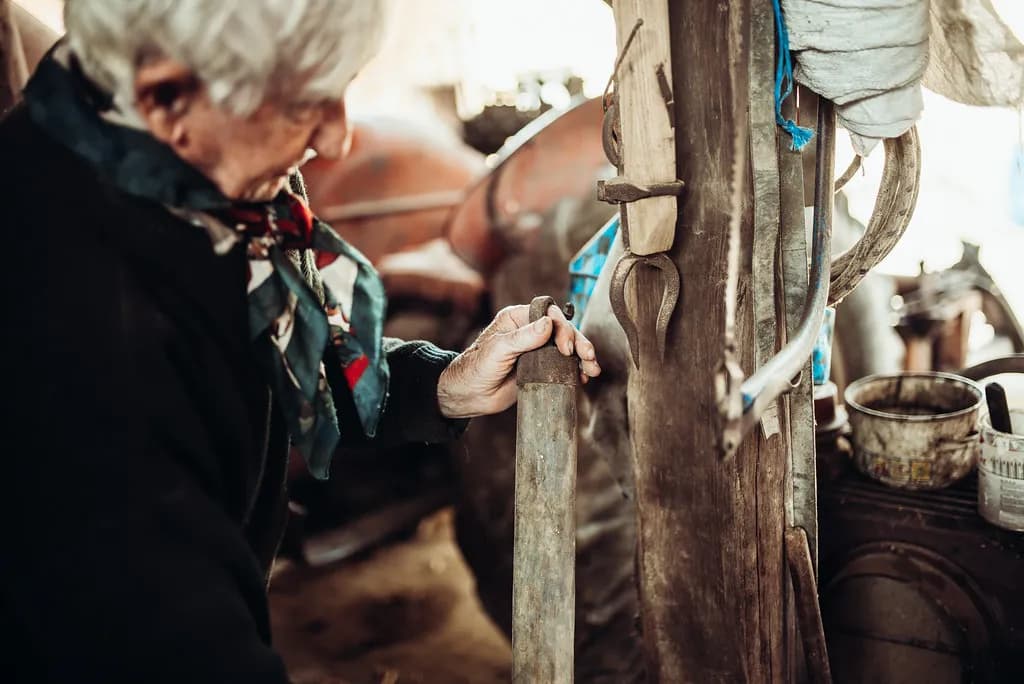
For twenty years the aspirational trip was a list. Five countries, fourteen days, a photograph at each landmark to prove it happened.
The bookings data for summer 2026 describes something close to the opposite. Trips are getting shorter, destinations cooler, and the thing travellers increasingly pay for is a person rather than a place.
The shift the platforms are reporting
Airbnb's summer travel trends identify a rising interest in experiences led by elder experts, described as grandma tourism: lifelong locals, traditional craftspeople and multigenerational knowledge holders teaching what they actually know.
It is an ungainly name for a sound instinct. A pasta lesson from someone who has made it daily for fifty years is a different product from a pasta lesson designed for tourists, and travellers have worked out which one they are buying.
Analysis at Lonely Planet frames the wider pattern as travelling not farther but deeper.
Cooler, closer, shorter
Three other patterns run alongside it, and all three are practical rather than romantic.
Coolcations continue to grow, with travellers deliberately choosing milder climates in Europe and Asia over Mediterranean peak heat. Given the summers southern Europe has had, that is less a trend than an adaptation.
Trips are shortening and family travel is rising, according to industry reporting on summer 2026 patterns. And domestic demand is up, with Expedia's Unpack 26 research describing a more measured approach shaped by financial and geopolitical uncertainty.
What is really being sold
Strip out the naming and a single thread runs through all of it: scarcity has moved.
Photographs of famous places are infinite and free. What is finite is a specific person's knowledge of a specific craft in a specific valley, and that person is not being replaced when they stop.
There is a risk in this, and it is the familiar one. The moment authenticity becomes a category on a booking platform, it starts being produced to order. A genuine craftsperson and a performance of one are hard to tell apart in a listing photograph.
Where the crowds still are
None of this has emptied the classics. Rome and the Amalfi Coast remain in heavy demand, and Seoul, Bangkok, Hong Kong, Tokyo and Taipei still top flight bookings.
The change is not that people stopped going to famous places. It is that they stopped trying to see six of them in a fortnight.
The economics underneath the trend
Shorter trips and closer destinations are usually described as a values shift and are at least partly a budget one. A four day trip within your own region costs a fraction of a two week multi country itinerary, and it uses less annual leave.
What is interesting is where the saved money goes. It does not simply disappear from the trip; it moves from transport and accommodation toward experiences, which is why a market for paid access to local expertise can grow while overall trip length falls.
That reallocation favours the destination. Money spent on a flight leaves the local economy almost entirely. Money spent on a day with a local craftsperson stays.
Where the strain shows
Cooler destinations receiving displaced summer demand are not automatically ready for it. Places that built their tourism capacity around modest visitor numbers can find a heat driven surge arriving faster than the infrastructure to absorb it.
Northern Europe has already seen versions of this, and the overtourism arguments that dominated southern European cities have begun appearing in places that assumed they were immune.
Meanwhile the Mediterranean faces the opposite problem: a peak season that is becoming physically uncomfortable in July and August, and a business model built entirely around those two months. Shifting demand into spring and autumn is the obvious adaptation and it requires the whole local economy to move at once.
The AI planning layer
One thread running quietly through the summer data is how much trip planning now happens through AI tools, both before departure and during the trip itself.
That has an odd relationship with the demand for authentic local experience. The same traveller seeking a craftsperson who learned a trade over fifty years is often finding them through a recommendation engine optimising for popularity.
Whether that surfaces genuinely local knowledge or funnels everybody toward the same handful of highly rated hosts is an open question, and it will decide whether this trend distributes tourism income or concentrates it.
What to watch next
Watch whether the elder led experience survives being scaled, because platforms are efficient at turning a scarce thing into a standardised one. If it holds, it points at a tourism model that pays local knowledge directly rather than through a tour operator.
That would be a genuinely better arrangement, and it would be the first time in a while that a travel trend improved the destination as well as the trip.
Published in The Outspoken Digest
Editorial desk
Outspoken Digest Culture & Travel DeskDestinations, airlines, borders and the practicalities of getting there.
Newsletter
The Digest, in your inbox
One edition, sent when it is ready. No noise, and your address is never passed on.
Read Next
More Travel →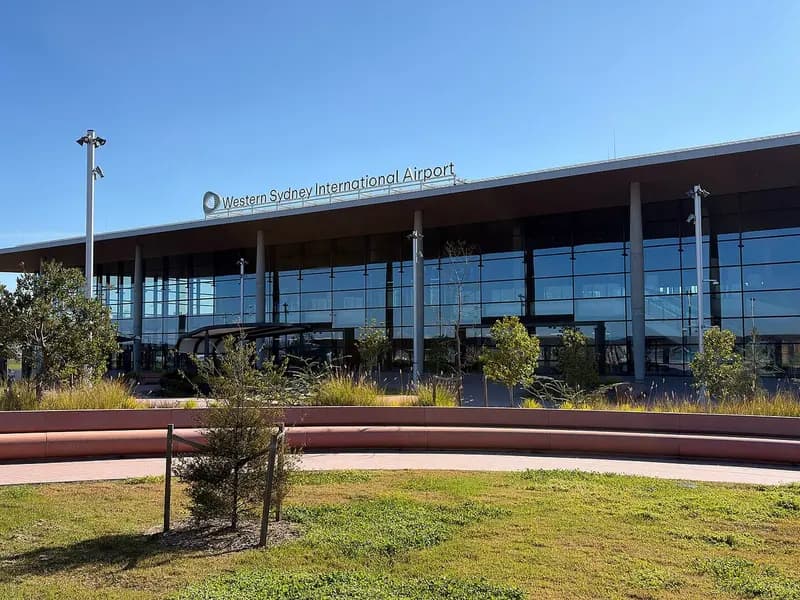
Western Sydney Airport Opens to Passengers on Sunday: First Flights, Airlines and How to Get There
Oct 22, 2026/2 min read

Alaska and Hawaiian Airlines Will Fly Nonstop From Seattle to Osaka and Tahiti From Spring 2027
Oct 20, 2026/2 min read
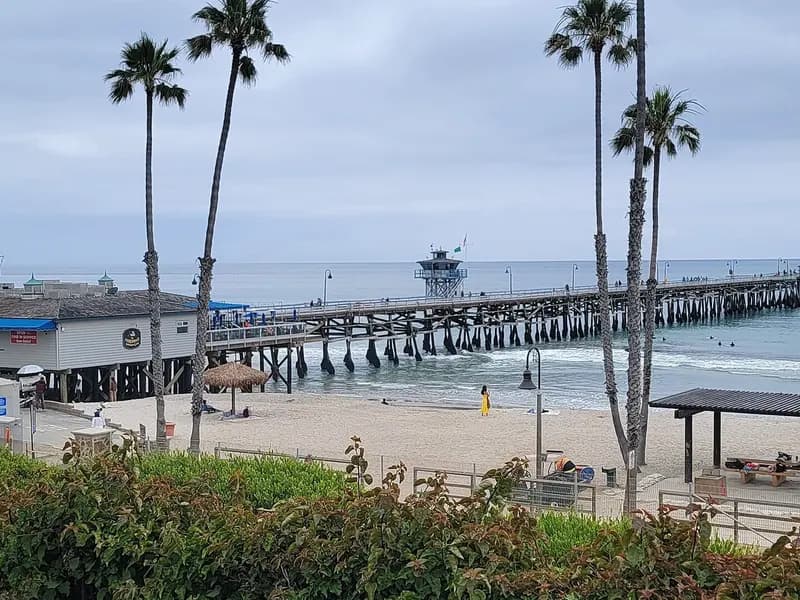
Norte Fire Put 16,000 Under Evacuation Orders in San Clemente, and They Are Now Lifted: What Travelers Should Know
Oct 18, 2026/2 min read
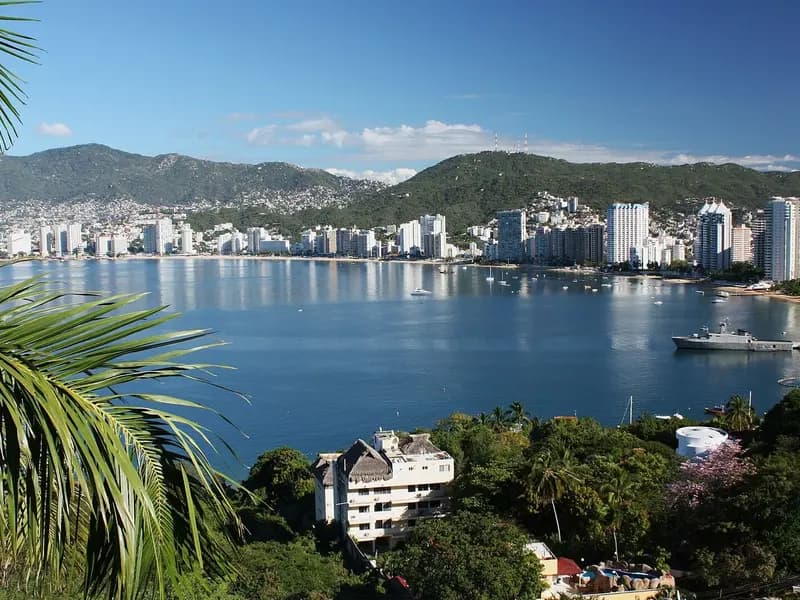
Tropical Storm Trudy Is Forecast to Become a Major Hurricane as It Nears Mexico's Pacific Coast
Oct 15, 2026/2 min read