Europe’s Wildfires Are Rewriting the Summer Travel Map
Evacuations near Cap-Ferret and one of Spain’s largest fires show why Mediterranean and Atlantic holidays now require a live risk plan, not just insurance.
Thursday, July 23, 2026/4 min read
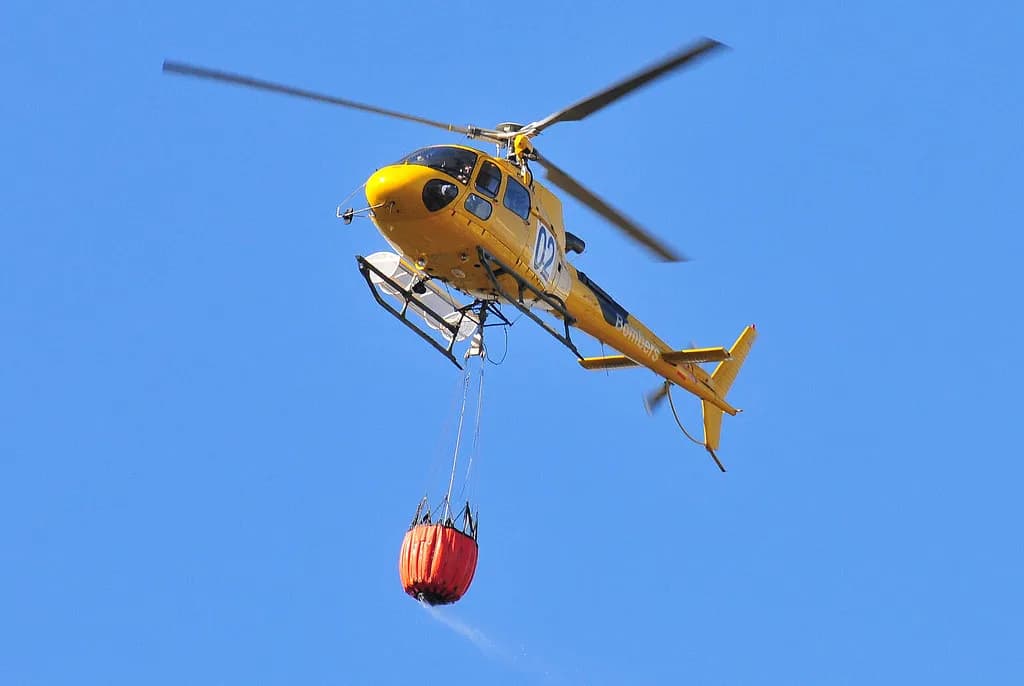
More than 10,000 people left homes and holiday accommodation near Lège-Cap-Ferret overnight as fire advanced toward one of France’s best-known Atlantic escapes. Farther south, a blaze in Spain’s Guadalajara province had already burned more than 32,000 hectares.
These are first and foremost emergencies for residents, firefighters and local businesses. They are also changing the practical meaning of a European summer trip. A confirmed hotel and a sunny forecast no longer describe the full risk. Travelers increasingly need to watch fire conditions, evacuation routes, transport closures and air quality in real time.
Where the latest fires are burning
The French fire began near Saumos and moved southwest toward Le Porge and Lège-Cap-Ferret, prompting mass evacuation near a coastal area crowded in summer. The Associated Press reported that more than 10,000 people were moved overnight as crews fought to protect communities.
In central Spain, firefighters are battling one of the country’s largest recorded blazes. A separate AP report put the burned area above 32,000 hectares and noted that Spain has already recorded 22 major forest fires this year, defined as those exceeding 500 hectares.
Italy is facing severe risk as well, with Sicily under its highest fire warning and evacuations reported around a clinic and nearby homes. Euronews mapped the active emergencies across France, Spain and Italy, illustrating that the issue is regional rather than a single destination’s bad week.
Why early heat has made the season dangerous
Wildfire needs ignition, but heat, dry vegetation and wind determine how aggressively it spreads. Europe endured exceptional heat before the traditional peak of the summer season, drying landscapes and pushing fire danger higher across wide areas.
Europe is warming about twice as fast as the global average, according to the Copernicus climate service figures cited in current coverage. Human-caused climate change does not explain every spark, but it increases the frequency and intensity of conditions that allow a fire to grow rapidly.
Le Monde’s visual review of the season notes that early heatwaves created dangerous conditions across western Europe. This timing matters for tourism because July brings crowded roads, full accommodation and visitors unfamiliar with local warning systems.
What travelers should check before departure
A national weather app is not enough. Travelers should consult local civil-protection and fire-agency alerts for the exact municipality, then check road, rail and airport operators. A fire far from a hotel can still cut the only access road or blanket the area in hazardous smoke.
- Save the accommodation’s full address and at least two routes out of the area.
- Enable emergency alerts and keep phones charged, with a battery pack available.
- Confirm whether travel insurance covers evacuation, smoke disruption and official advice not to travel.
- Keep medication, documents and water ready to carry rather than buried in luggage.
- Follow evacuation instructions immediately and never drive toward smoke for a closer look.
People with asthma, heart disease, older age or young children should take smoke exposure seriously even when flames are distant. Fine particles travel far and can make outdoor activity unsafe without causing the dramatic visibility associated with a nearby fire.
Why flexible travel is becoming essential
Traditional holiday planning rewards early commitment. The new climate reality rewards options. Refundable rooms, changeable rail tickets and a backup destination may cost more at booking but can prevent a dangerous argument with sunk costs when conditions shift.
This does not mean abandoning southern Europe every summer. Fire risk is local and dynamic, and communities depend on visitors. It means avoiding the opposite mistake, treating a destination as safe because it was safe on the same dates last year.
A Sky News report on earlier July fires described evacuations and large firefighting deployments across the region. Repetition within the same season is precisely why live information matters more than a generalized country warning.
Tourism must adapt without exploiting disaster
Hotels, tour operators and booking platforms need clearer emergency communication, including multilingual alerts and realistic cancellation policies. Destinations can publish fire-season guidance alongside beach and event information rather than leaving visitors to discover risk through social media.
Travelers also have an obligation not to turn burning landscapes into content. Roads must remain clear for emergency crews, drones can interfere with aircraft and returning before authorities allow it puts residents and responders at risk.
The new pre-trip checklist for fire season
A fire map is a snapshot, not a forecast. Travelers should check civil-protection alerts before leaving home and again on arrival, save local emergency numbers offline, and learn whether their accommodation has more than one road out. Smoke can disrupt a trip far from the flame front, so air-quality alerts matter for children, older travelers and anyone with respiratory illness even when a hotel remains open.
Insurance wording also deserves more attention than the marketing headline. Coverage can differ depending on whether authorities order an evacuation, an airline cancels, or a traveler decides the risk is unacceptable before services stop. Flexible rail or flight tickets, refundable rooms and a second destination cost more upfront, but they turn uncertainty into a decision rather than a trap. The goal is not to travel in fear. It is to avoid treating a Mediterranean summer booked months ago as an obligation that cannot respond to conditions on the ground.
The European summer map is not becoming unusable. It is becoming conditional. The safe destination is increasingly the one that can be changed, reached by more than one route and understood through local alerts right up to arrival. The fires near Cap-Ferret and across Spain are a warning written in real time: a modern itinerary needs an exit plan.
Published in The Outspoken Digest
Editorial desk
Outspoken Digest Travel DeskDestinations, airlines, borders and the practicalities of getting there.
Newsletter
The Digest, in your inbox
One edition, sent when it is ready. No noise, and your address is never passed on.
Read Next
More Travel →
Hurricane Isaias Closes Gulf Coast Airports and Clears Alabama's Beaches as Airlines Waive Change Fees
Oct 8, 2026/3 min read

Oktoberfest 2026 Ended With a Record 7.4 Million Visitors, Beating the Previous High by 200,000
Oct 4, 2026/2 min read
Hawaii's 90-Foot Hōlei Sea Arch, About 550 Years Old, Collapsed Into the Pacific During Storm Nolo
Oct 3, 2026/2 min read