Fashion weeks 2025: the collections and designer moves that mattered
Spring 2025 collections revealed a luxury industry in flux, with unprecedented creative director changes at major houses signaling a complete reshuffling of the game.
Thursday, May 1, 2025/4 min read
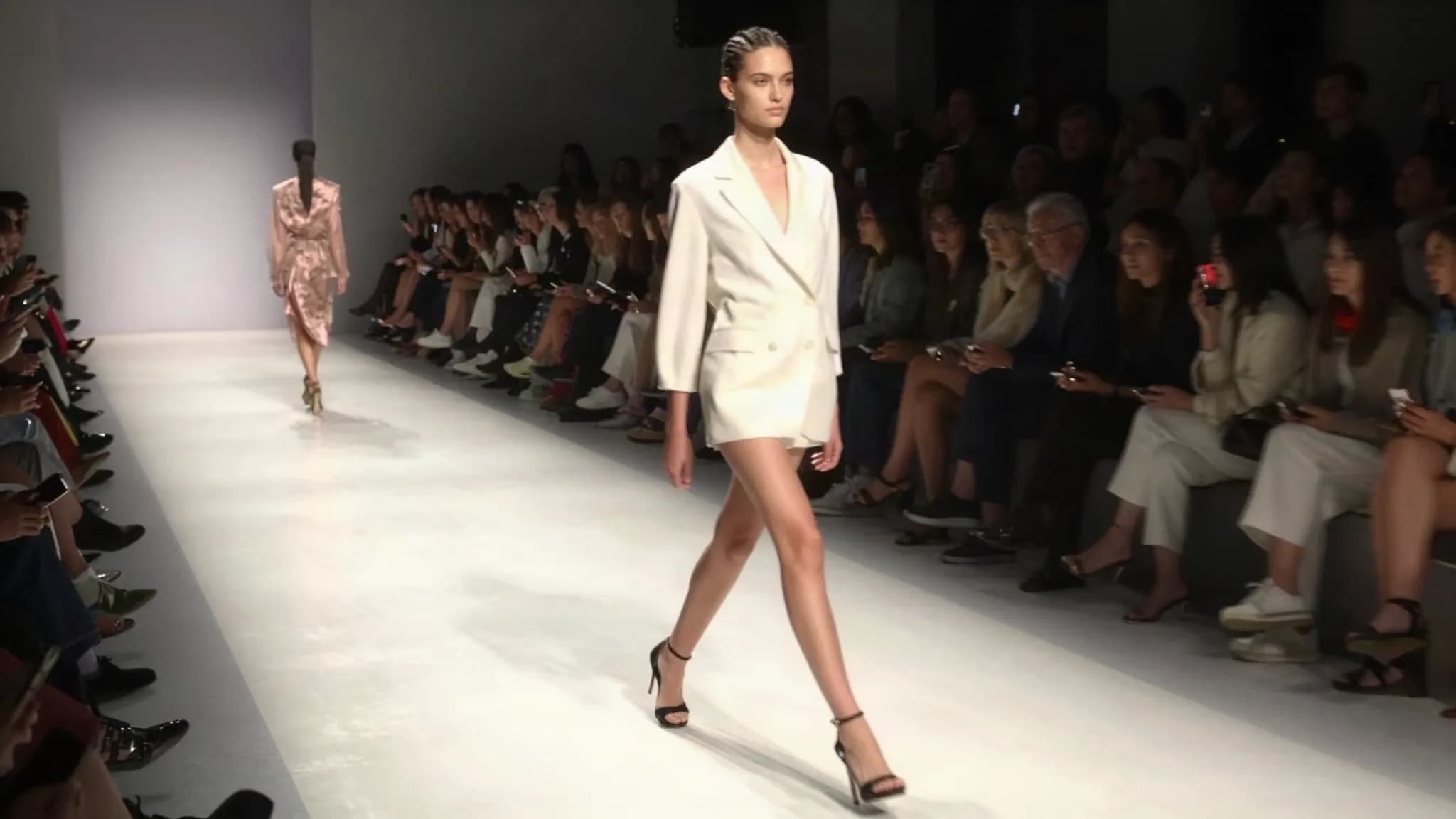
The 2025 fashion season became a referendum on what luxury houses actually value. Where previous years saw gradualism and evolution, 2025 saw wholesale reinvention. The number of creative director changes arriving during this cycle was extraordinary: not just departures, but a coordinated reshuffling at some of the world's most powerful fashion institutions. The message was unmistakable: the old guard is stepping aside and a new generation is taking control.
The collections that debuted during spring 2025 weeks reflected this transitional energy. At the collections themselves, designers were establishing new visual languages, testing boundaries, and in many cases, signaling a complete break with their predecessors' philosophies. W Magazine's comprehensive survey of designer changes documented the scale of the reshuffling, but the story is really about what those changes mean for where luxury fashion is heading.
These weren't quiet transitions. They were public, high-stakes, and intentional.
The departures that shocked the industry
Virginie Viard's departure from Chanel after five years sent a tremor through the industry. Viard had stabilized the house after Karl Lagerfeld's death and built a loyal following, but ultimately couldn't create the kind of cultural impact the brand sought. Her successor, Matthieu Blazy, brings a completely different sensibility: one rooted in experimental construction and forward-looking design rather than legacy management.
Jonathan Anderson's appointment as Dior creative director marked an even bigger narrative shift. The British designer is known for intellectual rigor and boundary-pushing concepts, not the romantic femininity that Maria Grazia Chiuri had cultivated. It's a break so complete it signals Dior is ready to abandon its historical codes entirely.
At Balenciaga, Demna's exit (after five years in which he successfully rebuilt the brand's credibility) made room for Pierpaolo Piccioli, who brings an entirely different approach focused on structure and architectural rigor. These aren't lateral moves within a philosophy; they're philosophical overturns.
The architect generation rising
A pattern emerges from Fashion United's detailed coverage of the transition season: the incoming designers are more technical, more conceptually rigorous, and less interested in chasing trend cycles. They're architects of systems, not trend-casters. Glenn Martens at Maison Margiela, Simone Bellotti at Jil Sander, Michael Rider at Celine, Grace Wales Bonner at Hermès menswear: each brings a background in structured design thinking over intuitive aesthetics.
This signals a recalibration at the level of what luxury fashion companies value. After years of personality-driven creative direction (where the designer's cultural cache mattered as much as the actual design), houses are betting on design methodology and intellectual rigor. It's a less charismatic model, but potentially more durable.
The power shifts within conglomerates
Most of these houses are parts of larger conglomerates (Kering, LVMH, Hermès). The reshuffling reflects power dynamics within those parent companies. When Fendi brings back Maria Grazia Chiuri as chief creative officer after she was departed from Dior, it's not random; it's a strategic repositioning within the LVMH architecture. When Balmain exits Olivier Rousteing after fourteen years of defining the brand, it's the luxury house saying it's ready for a completely different aesthetic direction.
Celine's appointment of Michael Rider signals Richemont's (the parent company's) confidence in new creative talent and willingness to take design risks. These moves happen at corporate behest more often than any press release admits.
What the spring collections actually showed
The collections themselves reflected the transitional moment. Blazy's first Chanel collection introduced sharp silhouettes and conceptual rigor that felt foreign to the house's historical DNA. Anderson's Dior work emphasized engineering and unexpected proportions. Piccioli's Balenciaga leaned into structural experimentation.
The through-line across collections was intellectual design over intuitive luxury. Shapes were questioned. Construction methods were made visible. The romantic, wearable, personally-expressive luxury that had dominated the early 2020s was giving way to more conceptual, technically rigorous approaches. It reads as colder, more academic, less concerned with whether wealthy consumers can actually wear the clothes and more interested in design purity.
The casualties and the unknowns
The transition wasn't bloodless. Sarah Burton's departure from Alexander McQueen to launch her own label signals even the most established designers are ready to step outside the conglomerate model. Olivier Rousteing's exit from Balmain after fourteen years feels like a genuine retirement from the maison system. Veronique Nichanian's departure from Hermès menswear after thirty-seven years represents a generational ending.
Meanwhile, first collections are risky. No matter how established the incoming designer, their debut at a major house is an unproven quantity. Blazy at Chanel, Anderson at Dior, Piccioli at Balenciaga: all three are accomplished designers, but none has previously established an identity at a house of that scale and legacy weight. The collections showed promise but also uncertainty.
What this means for fashion moving forward
The 2025 transition signals luxury fashion's shift away from personality-cult creative direction and toward methodological design thinking. It's less glamorous as a narrative, but potentially more artistically rigorous. Whether consumers follow these new directions, or whether they reject the coldness of the new approach in favor of something warmer, remains to be seen. The spring shows gave us the answer in design terms; the next year will show us whether the market agrees.
Published in The Outspoken Digest
Editorial desk
Outspoken Digest Style DeskReports for The Outspoken Digest across Fashion, Design, Lifestyle.
Newsletter
The Digest, in your inbox
One edition, sent when it is ready. No noise, and your address is never passed on.
Read Next
More Fashion →
Anthony Vaccarello Is Leaving Saint Laurent After a Decade, and Kering Has Not Yet Named His Successor
Oct 9, 2026/2 min read
Louis Vuitton Closes Paris Fashion Week With Hovering Cars, Paper-Light Dresses and a Louvre Courtyard Cityscape
Oct 7, 2026/2 min read
Celine Dion Made a Surprise Return to the Catwalk to Close L'Oreal's Paris Fashion Week Opening Show
Sep 29, 2026/2 min read
Louise Trotter Doubled Down on Colour and Oversized Bags for Her Latest Bottega Veneta Show in Milan
Sep 27, 2026/2 min read