Fertilizer's Sharp Price Drop Could Become Food Relief, but Not Overnight
World Bank data show fertilizer prices fell 21.8% in June. Farmers and shoppers may benefit later, though contracts, planting cycles and energy costs slow the transmission.
Outspoken Digest Food Economics Desk
Sunday, August 2, 2026/2 min read
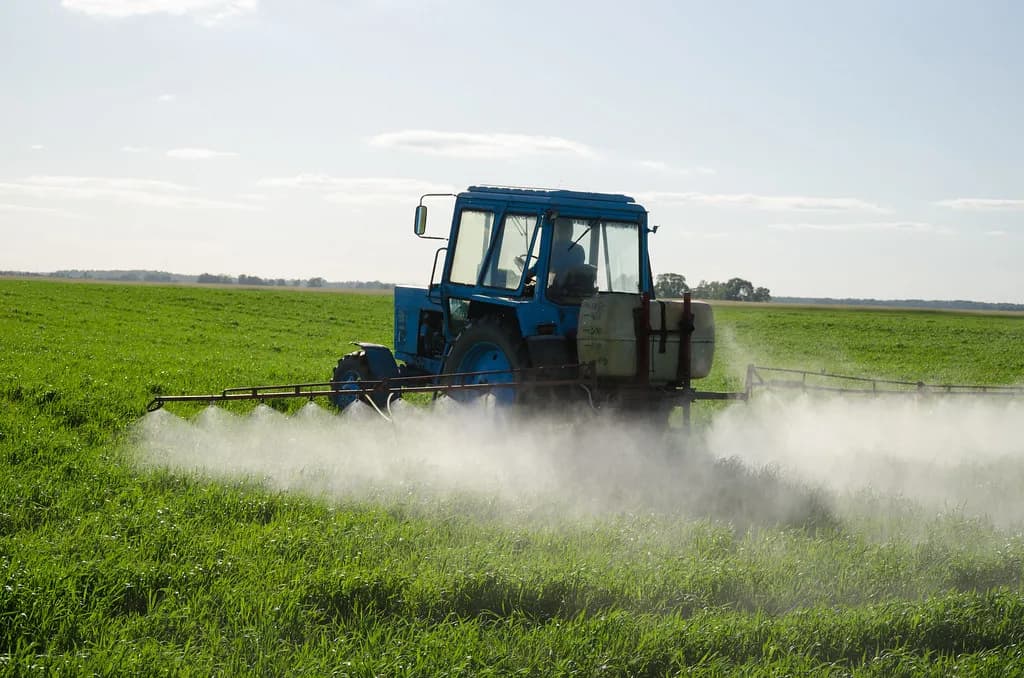
A 21.8 percent monthly fall in fertilizer prices is the kind of number that attracts immediate hopes for cheaper food. The direction is welcome, but agriculture works on slower clocks than a commodity screen. Farmers buy inputs in advance, crops take months to mature and processors negotiate contracts that do not reset every day.
What the latest evidence says
The World Bank's June commodity update recorded a steep fertilizer decline alongside a 2.6 percent fall in food prices and a broader retreat in energy. Earlier 2026 forecasts had warned that the Middle East shock could lift both energy and fertilizer costs. The June reversal therefore removes part of a major pressure point, even though price levels and regional availability still vary.
World Bank commodity markets provides the primary data and institutional assessment behind this report.
World Bank Commodity Markets Outlook adds the second official reference used to compare the outlook and its risks.
Why this matters now
Fertilizer affects how much farmers can profitably apply and which crops they plant. Lower prices can support yields, reduce financing needs and improve margins. The benefit is greatest when transport and credit costs ease at the same time. If diesel, shipping or interest expenses stay high, the fertilizer saving may be absorbed before it reaches a supermarket shelf.
What to expect in the upcoming period
The next planting cycles will reveal whether suppliers pass the decline through and whether farmers had already locked in expensive contracts. Regions that import most inputs may experience a different path because currency and freight can overwhelm the global benchmark. Food manufacturers will watch grain and edible-oil markets before changing retail prices.
The risk inside the forecast
Weather remains the largest uncontrollable variable. A poor harvest can lift food prices even with cheaper fertilizer, while renewed gas disruption can quickly raise nitrogen-production costs. Policymakers should therefore view the June move as breathing room for food security, not permission to dismantle support or monitoring systems.
What readers should watch next
For consumers, the best signal will be sustained declines across farm inputs, wholesale food and transport. One dramatic month begins that process but does not complete it. If the trend holds through the next quarter, fertilizer relief can become a genuine improvement in farm economics and, later, a less painful grocery bill.
Published in The Outspoken Digest
Editorial desk
Outspoken Digest Food Economics DeskCooking, ingredients, restaurants and the economics of what ends up on the table.
Newsletter
The Digest, in your inbox
One edition, sent when it is ready. No noise, and your address is never passed on.
Read Next
More Business →
Jio Platforms Raises Rs 8,110 Crore From Anchors at the Top of Its Range as India's Biggest IPO Opens
Oct 21, 2026/2 min read

Netflix Beats on Profit, Then Slides After Hours as It Trims Its Ad Forecast and Guides Lower
Oct 21, 2026/2 min read

Wall Street Rebounds as AI Stocks Recover, With the Nasdaq Up 1.1% and the 10-Year Yield Above 5.15%
Oct 20, 2026/2 min read

CoreWeave Shares Fall 25 Percent in a Week as Its Bonds Flash Warning Signs for AI's Borrowers
Oct 18, 2026/2 min read