FIFA Charges Argentina Players After the World Cup Final: What Happens Next
FIFA has opened formal cases over post-final clashes, alleged misconduct and a political banner, beginning a process rather than issuing verdicts.
Thursday, July 30, 2026/2 min read
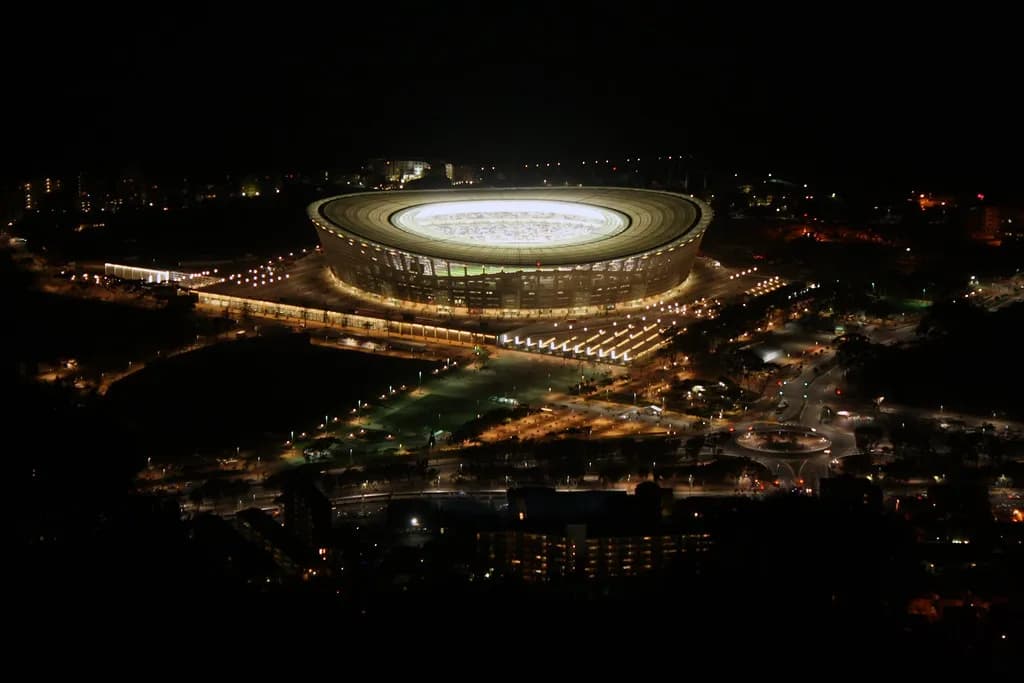
The 2026 World Cup ended with Spain lifting the trophy, but disciplinary business from the final is only beginning. FIFA has lodged charges against Argentina players Leandro Paredes and Nahuel Molina over clashes with Spanish opponents after Spain's 1-0 victory on July 19. Argentina assistant coach Roberto Ayala and Spain midfielder Gavi also face allegations connected to the confrontation.
The Associated Press reported that Paredes faces three assault charges, Molina two, and Ayala one. Molina, Thiago Almada and Gavi are also charged with unsporting behavior. These are formal accusations within a disciplinary process, not findings of guilt.
A second case reaches beyond the final
FIFA also charged the Argentine Football Association after players displayed a banner referring to Argentina's claim over the Falkland Islands following the semifinal victory over England. The governing body characterized the allegation as using a sporting event for a non-sporting demonstration.
Other cases listed by FIFA include alleged discriminatory chants and gestures by supporters, throwing objects during several matches and an alleged assault involving an assistant coach. The individuals and federation now have an opportunity to present their positions before the disciplinary committee issues decisions.
The official FIFA disciplinary framework allows cases to consider reports, video, testimony and written submissions. Possible consequences vary according to the rule and evidence and can include warnings, fines, suspensions or other sporting sanctions.
Why due process matters
Images from a heated final can create instant public verdicts. A formal process must separate individual actions, identify context and give each accused party a meaningful chance to respond. The same caution applies to the banner case, where political history, tournament rules and responsibility inside a team delegation intersect.
FIFA's credibility depends on consistency. Similar conduct should produce similar consequences regardless of the team, player profile or size of the audience. Decisions should explain the evidence and rule applied so that future teams understand the boundary.
The final's difficult afterlife
Spain's title will remain the central sporting result, but major tournaments also leave governance questions behind. Players compete under exceptional emotional pressure, yet that pressure does not remove responsibility for conduct after the whistle. Teams must manage the moments when celebration, frustration and politics enter the same space.
The cases could affect future international fixtures if suspensions are imposed, but no outcome should be assumed before the committee rules. Argentina, Spain and the named individuals can now submit their responses.
The strongest conclusion available today is narrow: FIFA has moved from investigation to formal charges. The next important update will be a reasoned decision, including which allegations are proven, which are dismissed and how any sanction fits the governing body's past practice.
Published in The Outspoken Digest
Newsletter
The Digest, in your inbox
One edition, sent when it is ready. No noise, and your address is never passed on.
Read Next
More Sports →
Rays Beat the Guardians 7-3 to Level the ALCS at 2-2 With the Brewers Already Waiting in the World Series
Oct 18, 2026/2 min read
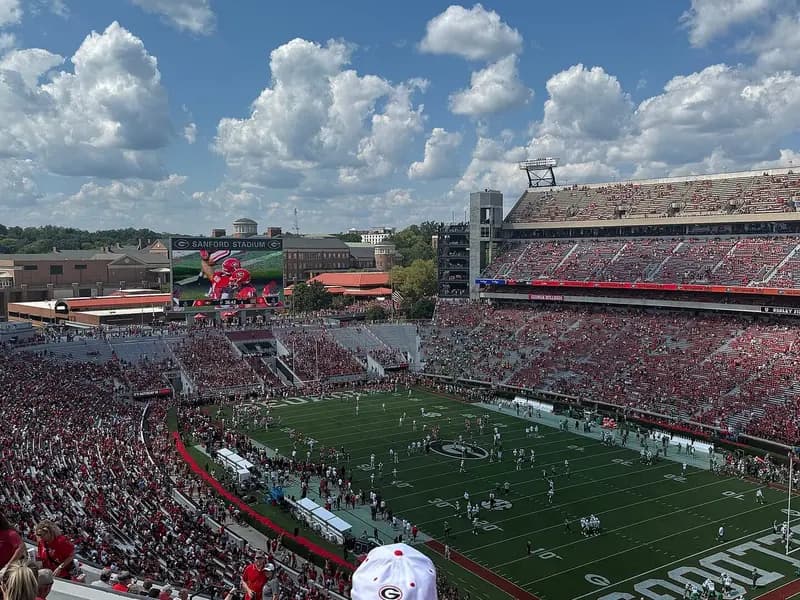
Five of the Top Eight Teams Lose in One Saturday, a First Since the AP Poll Began in 1936
Oct 18, 2026/2 min read
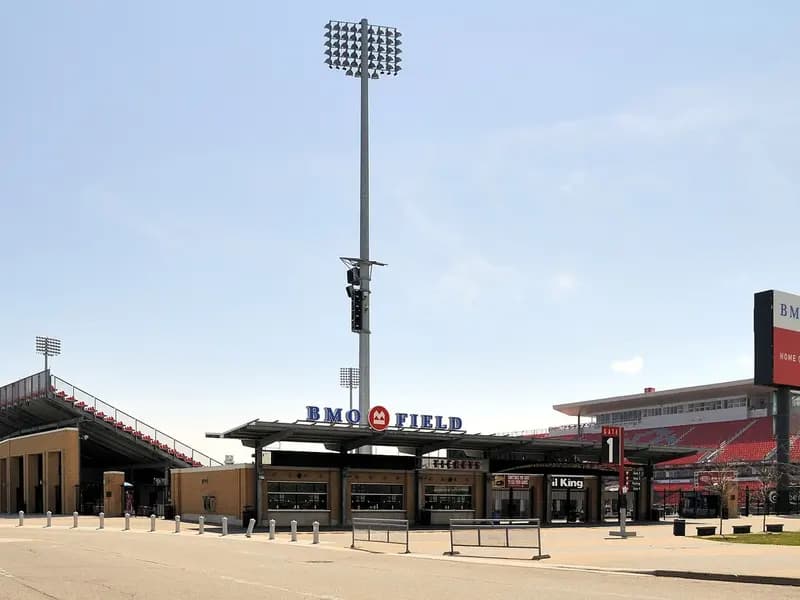
Canada Beat England 24-21 in Toronto, Ending the Red Roses' 41-Match Unbeaten Run
Oct 17, 2026/2 min read

Brewers Sweep Dodgers 6-4 in NLCS Game 4 to Reach Their First World Series Since 1982
Oct 16, 2026/2 min read