FIFA's Reported $4.2 Billion Investment Plan Could Change Who Profits From Football
A reported plan to place FIFA media, sponsorship and tournament assets in a new subsidiary raises major questions about money and control.
Outspoken Digest Business Desk
Thursday, July 30, 2026/2 min read
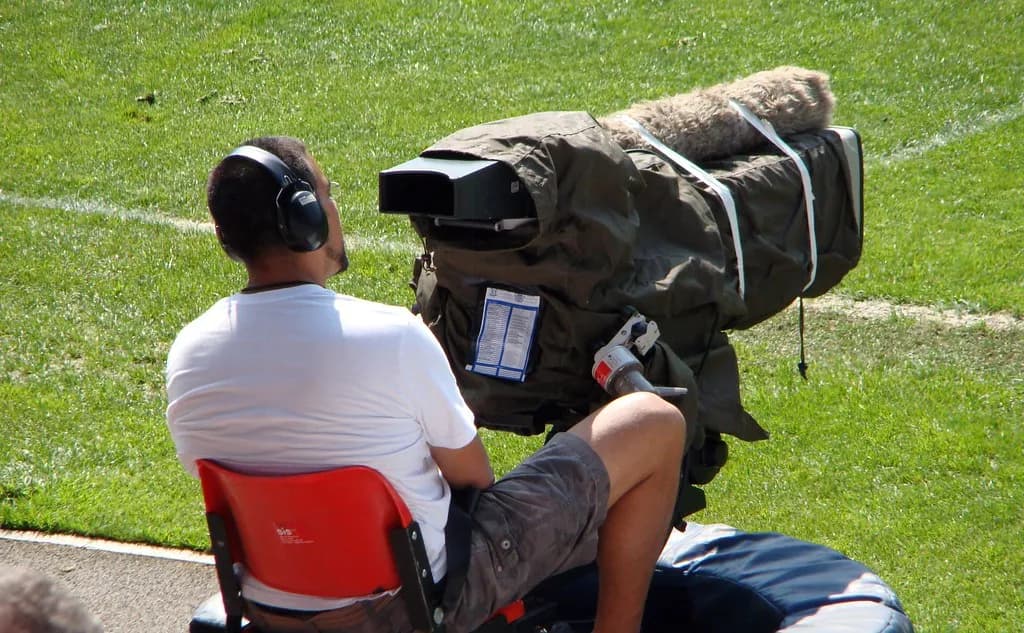
FIFA is reportedly considering the most consequential financial restructuring in its history: raising as much as $4.2 billion from outside investors for a commercial subsidiary valued at about $20 billion. The proposed entity would hold broadcasting, sponsorship and tournament assets, putting a market price on the rights that power global football's largest institution.
Axios reported that Joshua Kushner's Thrive Eternal would lead the investment effort. If the full amount were raised, each of FIFA's 211 member associations could receive an immediate payout. The proposal has also drawn opposition and concerns about governance.
Why investors want sports rights
Premium live sport remains valuable because audiences still gather at the same moment. That makes tournament rights attractive to broadcasters, streaming platforms, sponsors and financial investors looking for assets with global demand. The expanded 2026 World Cup demonstrated the commercial scale available when more teams, matches and markets participate.
A subsidiary can separate commercial assets from other institutional functions and make cash flows easier to value. Outside capital could fund production, technology or new competitions. It could also create pressure for faster revenue growth, more inventory and decisions designed around investor returns.
FIFA's own financial reporting portal presents revenue and development spending as part of a cycle in which major tournaments finance the wider game. Any new ownership structure should explain how that mission changes when private shareholders enter the commercial layer.
The governance questions
Member associations need more than the size of a possible payout. They need clarity on voting rights, board representation, asset transfers, dividend policy, conflicts of interest and exit terms. A one-time distribution can look attractive while the long-term value of rights moves elsewhere.
Fans and players will ask different questions. Will the structure lead to more matches, altered schedules, exclusive viewing arrangements or higher prices? Will women's football and youth development receive protected investment, or compete against the most profitable properties?
Independent valuation is essential. A $20 billion figure should be tested against projected revenue, costs, contractual restrictions and the rights actually included. Associations also need time to review documents and consult their own stakeholders.
A decision about football's future income
Commercial innovation is not automatically harmful. New capital can improve distribution and broaden access when governance is strong. But FIFA is not an ordinary entertainment company. Its rules affect national teams, clubs, athletes and billions of supporters, while its members include wealthy federations and countries that depend heavily on development grants.
The proposal remains reported rather than completed. Its importance lies in what it reveals: football's governing assets are valuable enough to attract institutional capital, and control over future media income is becoming a strategic question.
Before agreeing, member associations should demand transparent terms, independent analysis and protections for the sport's public mission. The decisive number is not the first payment. It is how much influence and future income football gives away in return.
Published in The Outspoken Digest
Editorial desk
Outspoken Digest Business DeskCompanies, markets and the money moving through the region.
Newsletter
The Digest, in your inbox
One edition, sent when it is ready. No noise, and your address is never passed on.
Read Next
More Business →
CoreWeave Shares Fall 25 Percent in a Week as Its Bonds Flash Warning Signs for AI's Borrowers
Oct 18, 2026/2 min read

Nasdaq Ends Its Worst Week Since June as Chip Stocks Slide and Oil Climbs Toward $110
Oct 18, 2026/2 min read

ECB Clears UniCredit to Go Past 30 Percent of Commerzbank, Opening the Way to Control by Year-End
Oct 17, 2026/2 min read

Indonesian Stocks Plunge Nearly 12 Percent, the Worst Day Since 1998, After MSCI Floats a Downgrade to Standalone Status
Oct 16, 2026/2 min read