Britain's Fractile Raises $720 Million as the UK Sovereign AI Fund Backs Its Inference Chips
The London start-up says the money will let it ship its first chips and systems next year. The government puts its valuation above 5 billion pounds, and press reports say about 7 billion dollars.
Outspoken Digest Technology Desk
Wednesday, November 11, 2026/2 min read
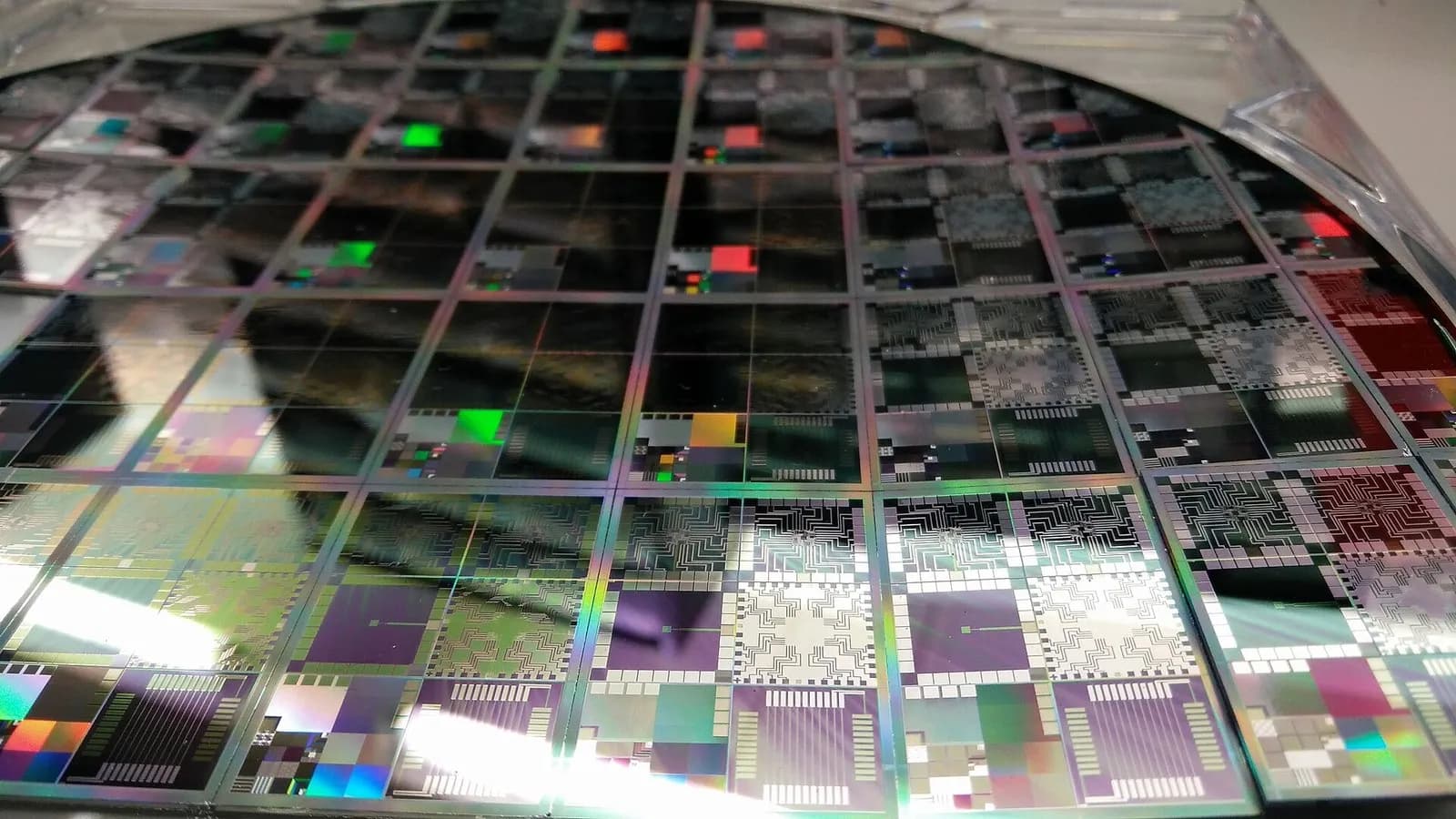
Fractile, a London start-up that designs chips for running AI models, announced a $720 million Series C round on Wednesday, backed by the UK government's Sovereign AI Fund, TechCrunch reported. The money is meant to carry the company from slides to silicon: chief executive Walter Goodwin wrote on LinkedIn that it will let Fractile ship its first chips and systems next year.
The announcement puts a public number on a deal that had been leaking for ten days. On 1 November the Telegraph, as summarised by Dealroom, reported that the round was expected to raise about $700 million at a valuation near $6.5 billion, and that the government fund had joined it. At that point Fractile and the government declined to comment.
Who invested in Fractile's $720 million round?
According to TechCrunch, the round was led by Thrive Capital, Founders Fund, Lightspeed Venture Partners and Redpoint, with the Sovereign AI Fund also taking part. Dealroom's 1 November summary described Lightspeed and Redpoint as the leads and Thrive as an investor, so the exact roles are worth checking against the company's own statement. The fund was set up earlier this year with 500 million pounds of public money.
The valuation is reported in different ways. The UK government says it is "over £5 billion," while TechCrunch says it could be about $7 billion, a figure reported by the Financial Times and a Reuters source. The government's stated rationale is to give the country a greater stake in the hardware that will underpin its future economy.
What does Fractile actually build?
Fractile makes chips for inference, the work of running a trained model for users, rather than the training of models. TechCrunch says it is a full-stack effort that also includes a machine learning compiler to speed up how large language models run on its hardware. After a change of direction, the chips use ordinary DRAM stacked on top of each chip, which the company hopes will ease the usual trade-off between memory speed and capacity. That matters more for agentic AI, which runs long chains of tasks on large models. Earlier press coverage described the design differently, as memory fused next to the compute, so details may change before launch.
Dealroom added that Fractile has not shipped a production chip, and the Telegraph reported a deal worth about $250 million to supply Anthropic, which Fractile declined to comment on. Treat that figure as reported and unconfirmed.
Who competes with Fractile?
TechCrunch places it alongside Axelera, Etched and OLIX in the race for purpose-built AI chips, all chasing a market dominated by Nvidia's GPUs. Nvidia itself was in the news on Wednesday for other reasons. The test for Fractile is next year: whether chips that exist on slides ship to customers on time and at a scale that justifies a valuation in the billions.
Published in The Outspoken Digest
Editorial desk
Outspoken Digest Technology DeskSoftware, hardware, artificial intelligence and what they change for everyone else.
Newsletter
The Digest, in your inbox
One edition, sent when it is ready. No noise, and your address is never passed on.
Read Next
More Technology →
Nvidia Falls 8% After Hours as Its Board Reportedly Prepares to Remove Jensen Huang, and European Chip Stocks Slide
Nov 12, 2026/3 min read

Starship Flight 15 Is Set for Friday With a First Attempt to Catch Both Booster and Ship
Nov 12, 2026/2 min read

Binance Warns iPhone Users of an iOS Sandbox Flaw as Apple Ships Nine Fixes, but a Link Is Unconfirmed
Nov 11, 2026/3 min read

Nvidia Slides 5.5% to $168.89 as Its Independent Directors Hire a Former Federal Prosecutor Ahead of Earnings
Nov 11, 2026/2 min read