The Freediving Depth Records and Who Actually Holds Them
The current constant weight world records, the athletes behind them, and the federations, AIDA and CMAS, that ratify every metre added to the books.
Thursday, January 15, 2026/4 min read
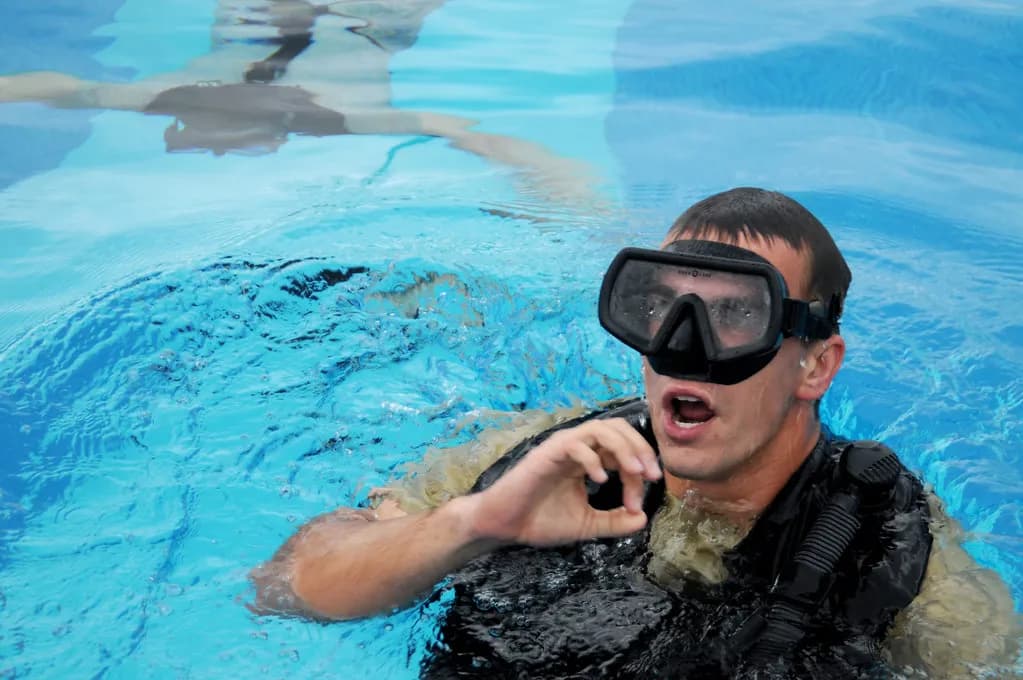
Freediving's record book is one of the stranger documents in sport. It tracks how far a human being can descend on a single breath, unassisted by any breathing apparatus, and it is currently dominated by two names who keep beating their own numbers rather than waiting for a rival to catch up.
Records in the sport are ratified by one of two federations, AIDA International or CMAS, the older umbrella body for underwater sports, and both maintain separate, occasionally overlapping record lists across the same disciplines. Depth alone does not make a record. Every dive has to be witnessed, filmed, timed and confirmed by judges on site before it counts, and a dive that misses even a small procedural step, a badly executed surface protocol, for instance, can be disqualified regardless of the depth actually reached.
Who holds the men's constant weight record, and how deep does it go?
The men's Constant Weight, CWT, world record under AIDA rules stands at 136 metres, set by Russian freediver Alexey Molchanov on 29 September 2023, according to background compiled in Wikipedia's entry on Molchanov's career. Molchanov, the son of the late freediving pioneer Natalia Molchanova, has broken world records across multiple disciplines for over a decade and remains the sport's most dominant depth competitor.
He has kept adding to his record tally since. Reporting from Divernet's coverage of freediving world records and a dedicated writeup from Molchanovs Magazine on his 127 metre bifins record confirm that on 1 December 2025, at the Deep Dominica Depth Competition in Soufriere, Dominica, Molchanov set a new CMAS world record in Constant Weight with Bifins, a related but separate discipline from standard monofin CWT, at 127 metres. It was reported as his 41st career world record across disciplines and federations.
Who holds the women's constant weight record?
The women's CWT record has moved between two athletes in recent years. Italy's Alessia Zecchini set a 123 metre AIDA world record in the Philippines in 2023, according to Wikipedia's entry on Zecchini. Slovenia's Alenka Artnik, a former record holder herself, matched that mark on 9 July 2025 at Vertical Blue, the sport's long running competition held at Dean's Blue Hole in Long Island, Bahamas, reaching 123 metres in 3 minutes 46 seconds, according to reporting compiled by Slovenia's national police newsroom, which tracked the dive given Artnik's nationality. Before that equalising dive, Artnik had already set a 114 metre AIDA world record, reported by DeeperBlue.com, on her way back up the record ladder.
Why do CWT and CWBF numbers not compare directly?
It is worth being precise here, because casual reporting often blurs it. Constant Weight, CWT, uses a monofin, the single blade that binds both feet together. Constant Weight with Bifins, CWBF, uses two separate fins, a variant discipline that CMAS recognises with its own record list. Molchanov's 127 metre mark is a bifins record, not a monofin CWT record, and his standing monofin CWT record remains the 136 metre AIDA dive from 2023. Depth records across disciplines are not interchangeable achievements, however similar they look to an outside observer. Even seasoned diving journalists occasionally conflate the two, which is part of why athletes and federations alike tend to specify the exact discipline whenever a new mark is announced.
What does it take, physically, to get this deep?
Every one of these dives depends on the equalisation technique called mouthfill, an advanced method that lets a diver keep adding air to their middle ear and sinuses well past the point where their lungs have compressed too far to draw a breath from normally, and on a highly trained version of the mammalian dive reflex, the automatic slowing of the heart and redirection of blood that happens to every human body underwater but is most pronounced in conditioned freedivers.
None of it happens without a safety structure built specifically around the sport's central risk. Depth competitions under both federations require safety divers stationed at intervals along the descent line and a counterballast system attached to the competitor by a lanyard, ready to haul them to the surface immediately if they show signs of blackout on ascent. Records are set inside that safety net, not despite it. A record attempt that skips any part of that safety staging, regardless of how deep the diver ultimately reaches, would not be sanctioned by either federation, because the depth alone has never been the only criterion that matters.
Why the record book keeps moving
What makes freediving's records unusual is how concentrated they are. A handful of athletes, Molchanov and Artnik chief among them at the moment, keep resetting their own marks rather than losing them to a wave of new competitors, which says as much about how narrow the pool of people capable of this kind of depth work remains as it does about any individual's talent. Coaches who work with both athletes describe years of unglamorous, incremental training behind every headline metre, far more repetition than spectacle.
This article is journalism, not instruction. Depth freediving of the kind described here is elite, closely supervised competitive sport, not a benchmark for recreational diving, and anyone drawn to try any part of it should start with a certified instructor and agency, never on their own.
Whatever comes next in the record book, it will almost certainly be confirmed the same way every previous metre has been: filmed, witnessed, and signed off by judges standing on the same line the diver just left.
Published in The Outspoken Digest
Editorial desk
Outspoken Digest Diving DeskCovers freediving, recreational and technical diving, dive medicine and the incidents the sport learns from.
Newsletter
The Digest, in your inbox
One edition, sent when it is ready. No noise, and your address is never passed on.
Read Next
More Diving →
Playing Recordings of a Healthy Reef Drew More Coral and Fish Larvae to Artificial Structures Off Hawaii
Oct 9, 2026/3 min read
Blacktip Sharks Can Hear a Sound From Nearly 250 Feet Away and Swim Straight Toward or Away From It
Oct 1, 2026/2 min read
A Sea Turtle Species Never Recorded Nesting in the United States Laid Eggs on a Southern California Beach
Oct 1, 2026/2 min read
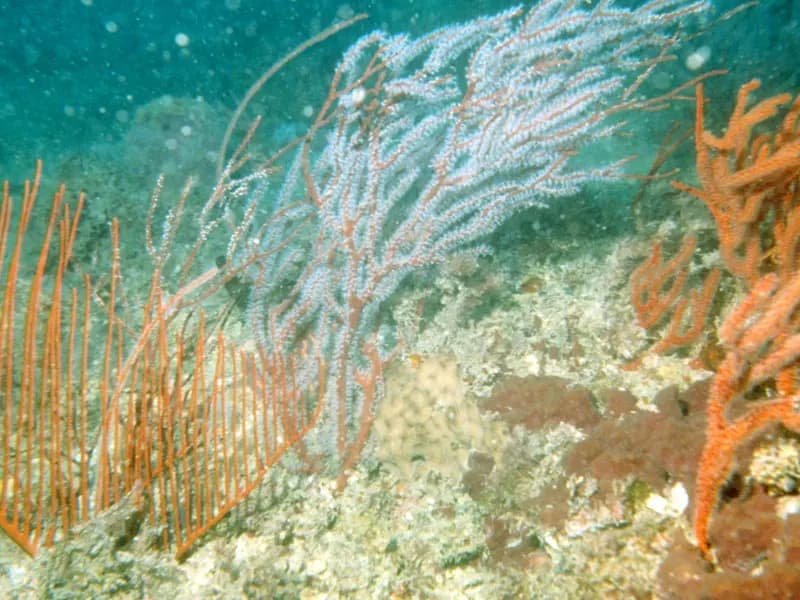
Marine Surveyors Confirmed Living Coral Off Benin, More Than Sixty Years After the Reef Was Presumed Dead
Sep 29, 2026/2 min read