Freediving Versus Scuba: What Each One Actually Asks of You
One demands breath control and stillness, the other demands equipment discipline. Here is what separates them and where beginners should start.
Tuesday, June 24, 2025/4 min read
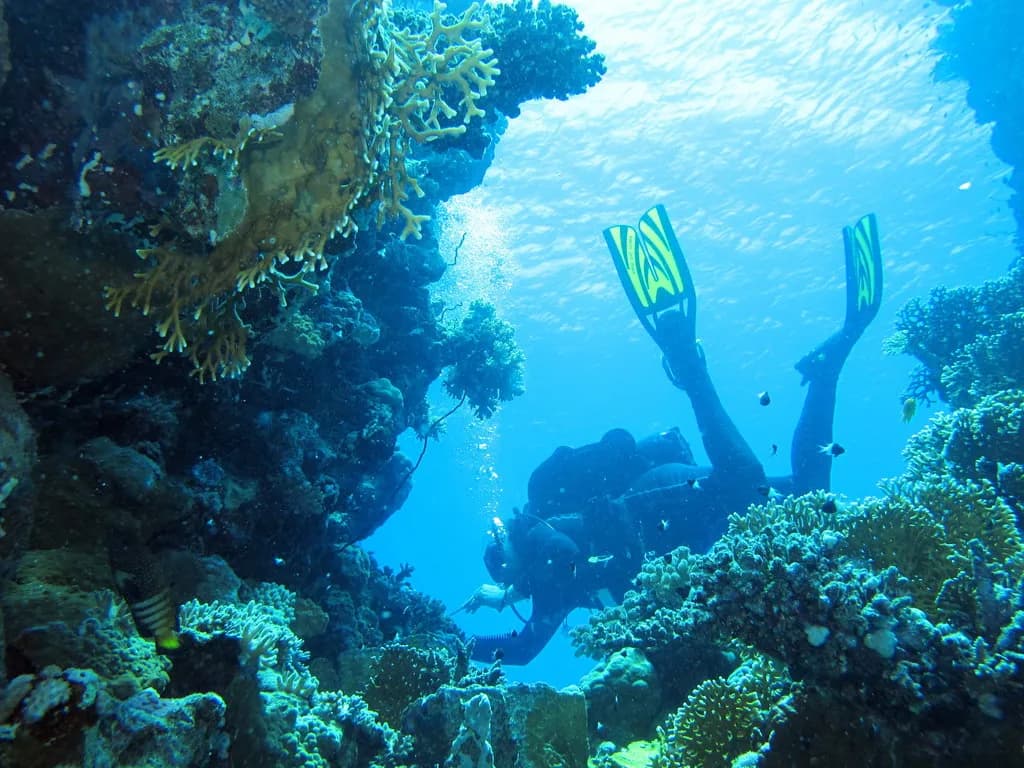
Stand on a boat deck anywhere divers gather and you can usually tell the freedivers from the scuba divers before either one gets in the water. The scuba diver is checking a regulator, a gauge, a weight belt, a tank valve. The freediver is doing almost nothing visible at all, just breathing, slowly, eyes half closed, minutes before they ever touch the water.
That contrast is the whole story in miniature. Freediving and scuba diving both put a person underwater to look at the same reefs and wrecks, but they ask for almost opposite skills to get there, and beginners who pick the wrong starting point for their temperament often quit before they find out they would have loved the other one.
What is the actual mechanical difference?
Scuba diving lets a diver breathe underwater continuously, using compressed air carried in a tank and delivered through a regulator, which means dive time is limited mainly by how much air the tank holds and how deep the diver goes, not by the diver's own lungs. Freediving involves no breathing apparatus at all: one breath at the surface, then the entire dive happens on that single breath, which is the whole reason equipment stays minimal, typically just a mask, a snorkel and fins, according to a comparison published by Freedive Nusa's guide to the difference between the two disciplines.
Which one is actually easier to start?
Most instructors are candid that scuba is the gentler entry point, because breathing continues normally underwater and a beginner does not need to manage a breath hold at all, according to guidance from New Heaven Dive School's beginner's guide to choosing a track. Freediving, by contrast, asks a beginner to learn breath hold technique and deep relaxation from day one, which takes more mental practice before it starts feeling natural, a distinction also noted by Utila Dive Center's comparison of the two disciplines.
Why do some instructors recommend learning to freedive first anyway?
Here the advice gets more interesting than a simple difficulty ranking. A freediving course spends a substantial amount of time teaching a diver to breathe correctly and to regulate their breath deliberately, and divers who learn that control first often become noticeably more aware, calmer scuba divers once they add a regulator to the mix, according to Go Freediving's argument for learning to freedive before scuba. Air consumption, one of the biggest practical limits on a scuba dive's length, often improves noticeably in divers who arrive with freediving-trained breath awareness already built in.
There is a real safety order to respect if someone plans to do both, and it runs the opposite direction from that instructional preference. Scuba diving leaves residual nitrogen dissolved in the body's tissues for a period after a dive, and freediving on top of that residual nitrogen load can increase decompression sickness risk, which is why most agencies recommend waiting at least 12 to 24 hours after a scuba dive before freediving, a caution flagged by SSI's comparison of the two sports at SSI's blog on doing both disciplines. Divers who travel specifically to do both on the same trip should plan their itinerary around that gap rather than treating it as an afterthought once they are already at the dive site.
What does each discipline actually feel like in the water?
Scuba tends to be slower and more stationary: a diver hovers at a controlled depth for an extended period, watching a reef unfold around them without needing to manage their own oxygen supply moment to moment. Freediving is more dynamic, a diver can move through the water column more freely and change depth quickly, without a tank's drag or a regulator's hiss disturbing marine life, which is part of why some underwater photographers and researchers prefer it for close animal encounters. A scuba diver's exhaled bubbles and regulator noise can noticeably change how marine life behaves nearby, while a freediver moving quietly through the water column often draws curious animals closer rather than sending them away.
So which one should a beginner actually pick?
The honest answer from most instructors is that it depends on temperament more than ability. Someone who finds stillness and breath awareness appealing, rather than intimidating, often takes to freediving quickly. Someone who wants to explore a reef for forty-five minutes without worrying about a breath hold at all usually finds scuba the more comfortable starting point. Neither is objectively harder to master at a recreational level, they simply demand different things early on. Cost and travel logistics can also tip the decision in practice: freediving needs minimal gear and no tank rentals, which makes it noticeably cheaper and lighter to pack for a trip, while scuba requires ongoing access to filled tanks and a dive centre nearby.
Whichever a beginner chooses, the core safety principle is identical across both disciplines: never dive alone, always dive within your training, and treat any depth or breath hold work as something that belongs with a certified instructor and a recognised agency, not as a self-taught skill.
This article is journalism, not instruction. Anyone drawn to either discipline should book an introductory course with a certified school before making any equipment purchase or attempting either activity independently.
Plenty of divers eventually do both, and most say the two disciplines make each other better rather than competing for attention, one teaching patience with equipment, the other teaching patience with breath. Instructors who teach both courses often say the crossover students, the ones who eventually certify in each discipline, tend to become the calmest, most situationally aware divers in the water, regardless of which one they started with.
Published in The Outspoken Digest
Editorial desk
Outspoken Digest Diving DeskCovers freediving, recreational and technical diving, dive medicine and the incidents the sport learns from.
Newsletter
The Digest, in your inbox
One edition, sent when it is ready. No noise, and your address is never passed on.
Read Next
More Diving →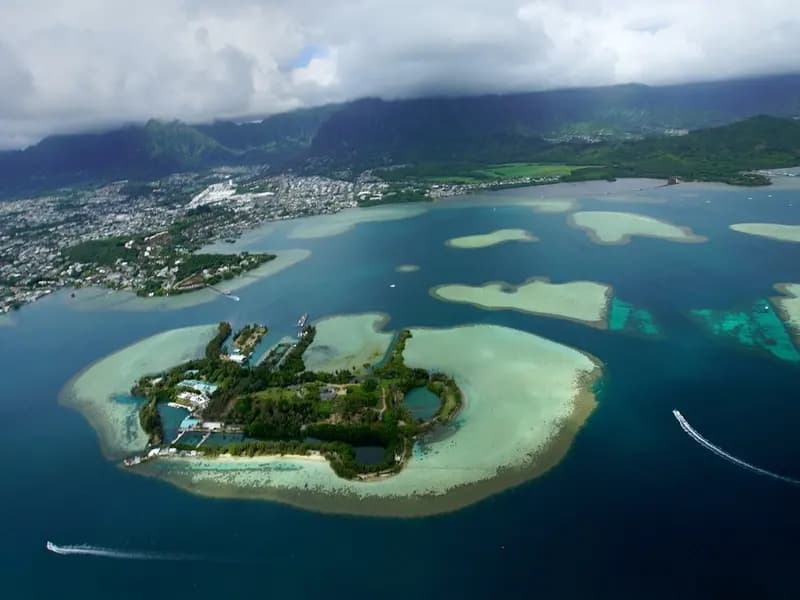
Playing Recordings of a Healthy Reef Drew More Coral and Fish Larvae to Artificial Structures Off Hawaii
Oct 9, 2026/3 min read
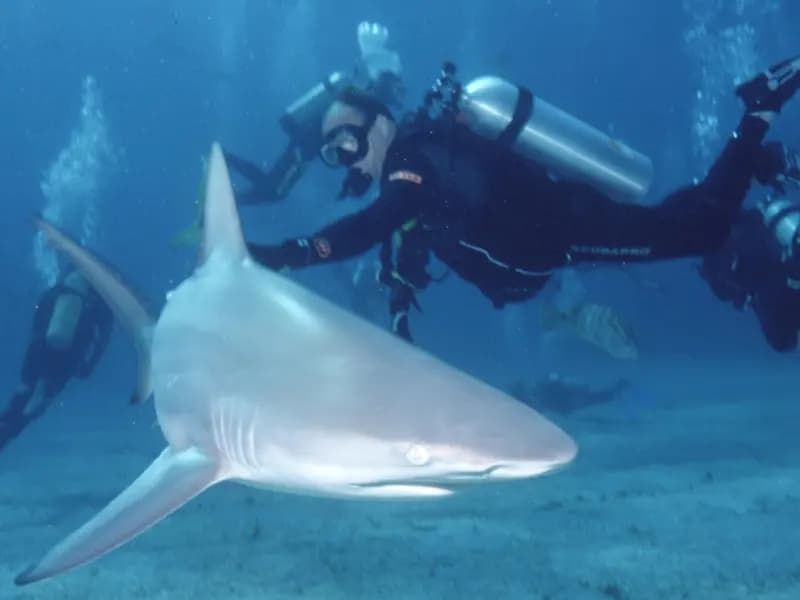
Blacktip Sharks Can Hear a Sound From Nearly 250 Feet Away and Swim Straight Toward or Away From It
Oct 1, 2026/2 min read
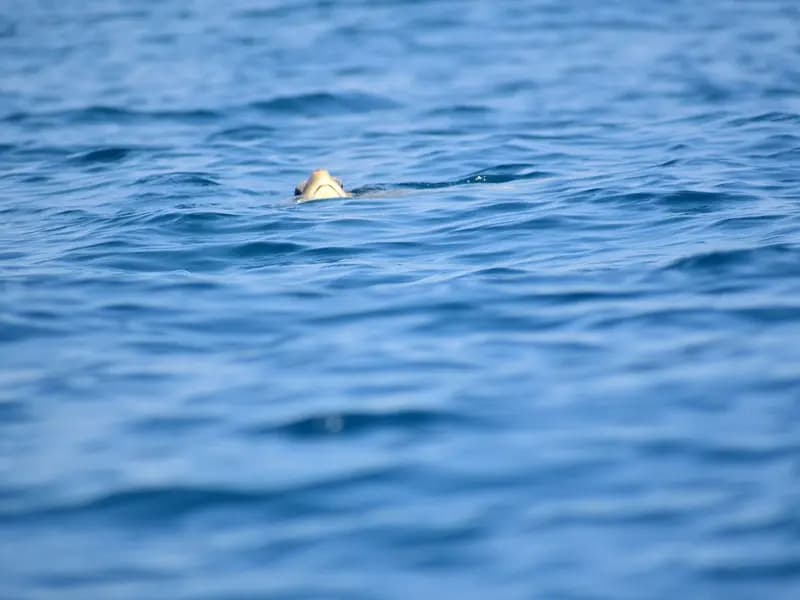
A Sea Turtle Species Never Recorded Nesting in the United States Laid Eggs on a Southern California Beach
Oct 1, 2026/2 min read
Marine Surveyors Confirmed Living Coral Off Benin, More Than Sixty Years After the Reef Was Presumed Dead
Sep 29, 2026/2 min read