GCC Ministers Put Navigation and Diplomacy at the Center of Regional Talks
Gulf foreign ministers used a July 28 consultation to focus on practical understandings, de-escalation and the safe flow of ships through Hormuz.
Outspoken Digest Editorial Desk
Wednesday, July 29, 2026/2 min read
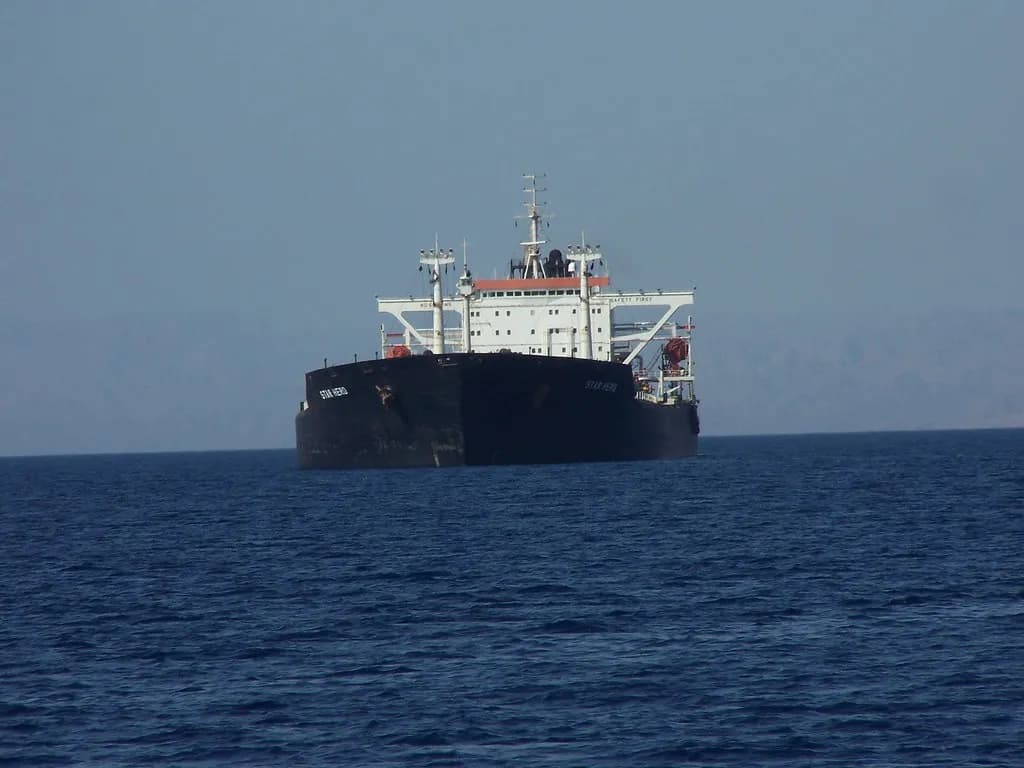
Foreign ministers from the Gulf Cooperation Council met by video on July 28 with an agenda that reaches directly into daily life across the region. Their consultation focused on reducing tensions, advancing negotiations and protecting safety and freedom of navigation in the Strait of Hormuz.
According to the Qatar News Agency account of the meeting, the ministers exchanged views on current developments and efforts to turn negotiations into practical understandings. They also discussed the smooth flow of ships, trade and supplies in accordance with international law and with respect for the sovereign rights of states bordering Gulf waters.
Why navigation is everybody's issue
The Strait of Hormuz is often described through oil tankers and geopolitical maps. Its importance is wider. Commercial vessels carry food, medicine, industrial components and consumer goods. Insurance costs, shipping schedules and port congestion can eventually affect a supermarket shelf, a construction timetable or an airline's operating plan.
That is why freedom of navigation is not an abstract foreign-policy phrase. It is part of the economic infrastructure of the GCC. Even states with alternative export routes are affected by uncertainty across the shared maritime neighborhood.
The ministers emphasized political and diplomatic solutions and conditions for rebuilding trust. Such language matters most when it is followed by durable channels for communication, clear maritime procedures and credible arrangements that reduce the chance of miscalculation.
Coordination under pressure
The consultation came as Gulf states were responding to renewed drone and missile threats. Qatar issued a separate condemnation on July 29 of attempted attacks on Saudi oil facilities. Statements alone cannot resolve the wider confrontation, but coordinated positions can reduce contradictory signals and keep de-escalation on the agenda.
The GCC's shared economic framework means disruption in one member state can spread through business networks, travel and supply chains. Security coordination therefore supports an economic relationship that millions of residents and companies already use.
There is also a diplomatic advantage in the six states consulting while maintaining their different relationships and channels. Gulf diplomacy has often relied on access to parties that do not speak easily to one another. The value of that access rises when it is used to carry specific proposals rather than only general appeals.
What practical progress would look like
Readers should be cautious about treating one meeting as a breakthrough. The useful indicators will be safer commercial passage, fewer threat alerts, lower shipping premiums and evidence that negotiations are producing enforceable understandings.
Practical progress could include stronger incident communication, predictable transit procedures and coordinated support for civilian shipping. It also requires all parties to respect international law and keep commercial routes separate from military escalation.
The July 28 consultation is significant because it placed the right public priorities on the table: diplomacy, navigation, supplies and regional stability. For Gulf residents, the success of those talks will be measured less by the communique than by ordinary systems continuing to work safely.
Published in The Outspoken Digest
Editorial
Outspoken Digest Editorial DeskThe Digest's own desk: the pieces that do not sit in one section.
Newsletter
The Digest, in your inbox
One edition, sent when it is ready. No noise, and your address is never passed on.
Read Next
More Latest Trends →
Houthi Missile Hits Aramco's Dhahran Headquarters as Saudi Arabia and Yemen's Rebels Trade Strikes
Oct 15, 2026/3 min read

Kimberly Guilfoyle Resigns as US Ambassador to Greece After the White House Asked Her to Go
Oct 15, 2026/2 min read
Two Cargo Ships Sink Near the Strait of Hormuz as Attacks on Shipping Surge
Oct 15, 2026/2 min read
Pope Leo XIV Has Lung Cancer, the Vatican Says, After Surgery to Remove Part of His Right Lung
Oct 15, 2026/2 min read