Glasgow 2026 Opens as the Commonwealth Games’ Big Reset
Ten sports, existing venues and an indoor ceremony make Glasgow 2026 smaller by necessity, and perhaps a working model for an event that nearly lost its host.
Thursday, July 23, 2026/4 min read
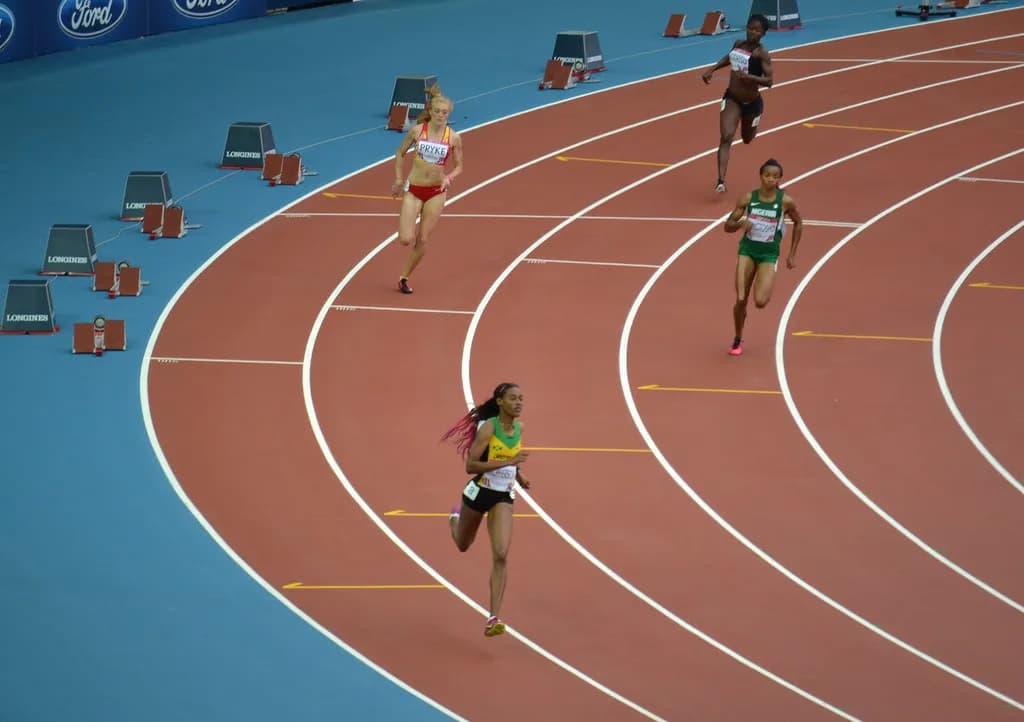
Glasgow did not inherit the Commonwealth Games in triumph. It picked them up after the original plan collapsed, removed half the furniture and made the event fit inside venues the city already had.
Tonight, that emergency edition opens at the Hydro with ten sports and 215 gold medals. It will be smaller than recent Games, concentrated entirely within Glasgow and stripped of familiar events including rugby sevens, hockey, badminton and diving. What looked like a rescue may become a test of whether major sport can survive without permanent expansion.
How Glasgow rescued the 2026 Games
Victoria, Australia withdrew as host after projected costs rose sharply, leaving the Commonwealth movement with no obvious replacement. Glasgow, which hosted in 2014, offered a compressed plan using existing facilities and a shorter operational runway.
The result runs from July 23 to August 2 across four established venues. A Scottish government statement presents the event as a chance to showcase the country while emphasizing that the city is ready rather than embarking on a new construction spree.
The streamlined program contains athletics, swimming, artistic gymnastics, track cycling, weightlifting, bowls, boxing, judo, netball and 3x3 basketball, with para events integrated across six sports. The exclusions hurt athletes whose disciplines lost a rare global stage, but they also kept the rescue financially and logistically possible.
Why the opening ceremony is indoors
The Hydro will host the first indoor opening ceremony in Commonwealth Games history. Glasgow 2026’s ceremony page describes the arena as a new kind of stage for the event, trading the capacity of a football stadium for a controlled concert setting.
Scottish artists will lead the music program, according to the organizers’ performance announcement. The choice suits a city with a strong live-music identity and reduces the need to transform a stadium for one night.
It also captures the philosophy of this edition: use a venue built for the job, accept a smaller in-person audience and design the production for broadcast. The ceremony will air free on Channel 5 in Britain, while broader live rights sit with TNT Sports and discovery+.
What was lost in the smaller sports program
The most visible cost is absence. A Guardian report on the original program decision recorded disappointment from rugby, squash and other federations after twelve sports were cut. Those organizations lose medals, attention and development funding that often follow participation.
The reduced athlete village and venue footprint also make the Games feel less like the sprawling festival staged in Birmingham or Gold Coast. Supporters argue that intimacy can improve atmosphere and make transport simpler. Critics see a competition retreating because host cities no longer trust its cost.
Both can be true. The event is diminished in breadth, yet still meaningful to athletes in the sports that remain. For emerging competitors, a Commonwealth Games can be the first experience of a multisport village, major television coverage and a final under pressure.
A reuse model instead of a building boom
Scotstoun Stadium, Tollcross International Swimming Centre, the Sir Chris Hoy Velodrome and the Scottish Event Campus already know how to stage elite sport. Reusing them avoids the familiar legacy problem of expensive arenas searching for tenants after the closing ceremony.
This is not a pure no-cost experiment. Security, temporary works, transport and event operations remain expensive. Funding also carries opportunity costs even when it does not require a new stadium. The honest comparison is not free versus costly, but a compact event versus the much larger bill of building from scratch.
Commonwealth Games Australia’s opening-day announcement describes Glasgow as the third city to host the Games twice. That repetition is part of the solution. A smaller pool of prepared cities may be more sustainable than a bidding cycle that rewards ambition and leaves the winner with escalating obligations.
The future of the Commonwealth Games is on trial
The event also faces questions no venue plan can solve. Its colonial inheritance, uneven sporting depth and crowded international calendar all affect relevance. Removing popular team sports saves money but may make audiences harder to attract, particularly after a World Cup dominated the summer.
Yet cancellation would have been its own verdict. Glasgow has produced a real Games from a failed hosting process in less than two years. If venues fill, transport works and competition feels important, the compact format can become evidence that survival does not require spectacle at any price.
What success will look like after the closing ceremony
A compact Games cannot be judged only by television pictures from opening night. The useful measures will be whether athletes received a credible competition, spectators could reach venues without friction, organizers stayed inside the promised budget and temporary changes left the host city with benefits it can actually use. Empty seats or operational confusion would make the reduced scale feel like retreat. Full venues and smooth delivery would make it look disciplined.
The longer question belongs to the Commonwealth movement. Future hosts need an event whose cost, sport program and infrastructure demands are clear before they bid, not after a city withdraws. Glasgow can demonstrate a rescue model, but emergency improvisation is not a permanent hosting strategy. If the federation turns lessons from this edition into earlier venue audits, realistic guarantees and a modular program, the 2026 Games may matter most for what it removes from the old mega-event formula.
The opening ceremony will present Scottish confidence. The more consequential performance begins the next morning. Glasgow 2026 has to show that smaller can feel deliberate rather than depleted, and that a rescued Games can become a blueprint instead of merely a reprieve.
Published in The Outspoken Digest
Newsletter
The Digest, in your inbox
One edition, sent when it is ready. No noise, and your address is never passed on.
Read Next
More Sports →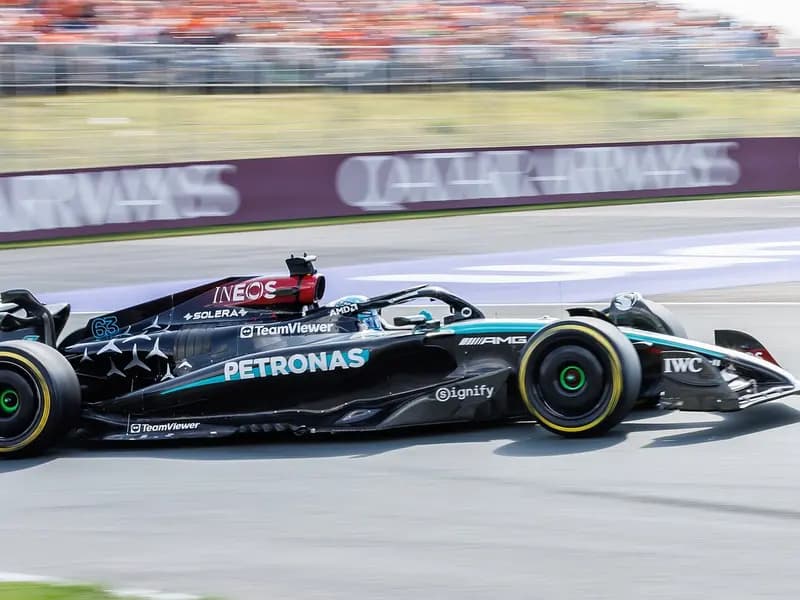
Russell Tops the Only Practice in Singapore, Then Faces a Back-of-the-Grid Start With Antonelli 84 Points Clear
Oct 9, 2026/2 min read
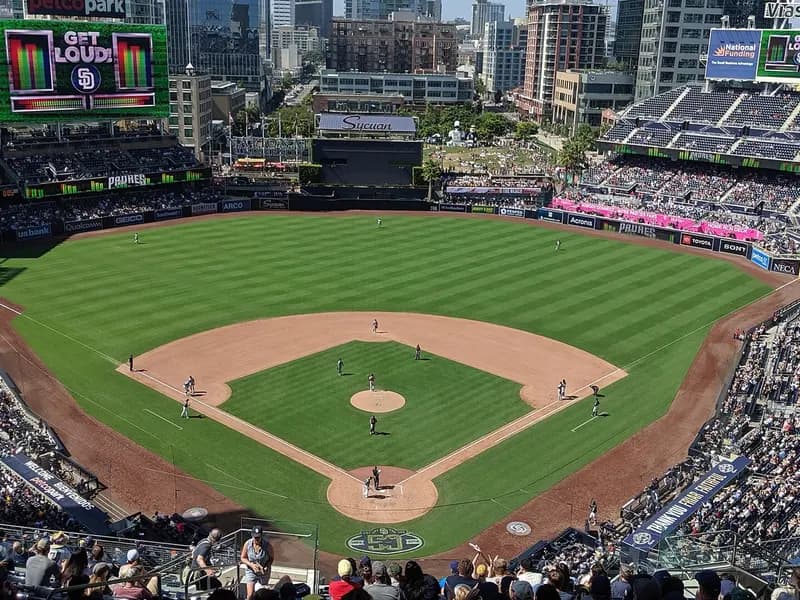
Brewers and Dodgers Set Up an NLCS Rematch as the Rays Sweep the Yankees
Oct 8, 2026/3 min read
Falcons Run Past Saints 45-24 on Monday Night Football and Spoil the Superdome's Domecoming Anniversary
Oct 6, 2026/2 min read