Air Travel Is Still Growing, but the Post-Pandemic Surge Is Over
IATA expects passenger demand to grow only 2.1% in 2026 as conflict, inflation and weaker purchasing power weigh on travel. The market is normalizing unevenly.
Saturday, August 1, 2026/2 min read

The extraordinary rebound in flying after pandemic restrictions has ended. Air travel is still expected to grow in 2026, but much more slowly, with conflict, inflation and weaker household purchasing power changing where and how often people travel.
The International Air Transport Association forecasts global passenger demand growth of 2.1% for 2026. Its economic analysis links the slowdown to weaker global growth, higher inflation and pressure on disposable income.
Slower growth is not the same as collapse
Airlines are still carrying enormous numbers of passengers, and demand remains above its pre-pandemic base in many markets. A 2.1% increase means more travel overall. The change is in momentum: the easy gains from reopening and satisfying deferred trips are gone.
That creates a more competitive environment. Airlines cannot assume every additional seat will find a passenger at a strong fare. Routes with business, family and essential travel may hold up differently from purely discretionary leisure markets.
May showed how quickly conditions can turn
IATA's May traffic release reported a year-on-year decline in global passenger demand. One month does not define a trend, especially during geopolitical disruption, but it demonstrates how route closures, uncertainty and high costs can interrupt growth.
Capacity decisions also matter. If airlines reduce seats faster than demand falls, planes can remain full and fares firm. If capacity outruns demand, discounts may appear. Travelers should follow the routes they actually use rather than assuming a global statistic predicts every ticket.
Why the Gulf remains strategically important
Gulf hubs connect large parts of Asia, Europe and Africa with one stop. Their geography supports transfer traffic, while airlines have continued investing in networks and fleets. Regional conflict and airspace restrictions, however, can add time, fuel cost and operational uncertainty.
Travelers connecting through the region should check itinerary changes, entry rules and insurance coverage close to departure. Flexible tickets can be valuable when the savings from a rigid fare are small.
What slower demand could mean for prices
There is no simple promise of cheaper flights. Fuel, labor, maintenance, airport charges, currencies and available aircraft all shape fares. Supply-chain delays can keep capacity tight even when demand growth slows.
The best practical approach is to compare total trip cost, including bags, seats, transfers and change fees. Set fare alerts, examine nearby dates and avoid booking an unprotected chain of separate tickets when disruption risk is high.
A more mature travel market
The post-pandemic surge rewarded speed and capacity. The next phase will reward reliability, efficient networks and products matched to what travelers can afford. Airports and destinations may also need to compete harder for visitors rather than treating growth as automatic.
For readers, the 2.1% forecast is neither a warning to stop traveling nor a guarantee of bargains. It signals a market returning to economic gravity. People still want to fly, but budgets, confidence and operational resilience are once again deciding how much of that desire becomes a booked seat.
Published in The Outspoken Digest
Editorial desk
Outspoken Digest Travel DeskDestinations, airlines, borders and the practicalities of getting there.
Newsletter
The Digest, in your inbox
One edition, sent when it is ready. No noise, and your address is never passed on.
Read Next
More Travel →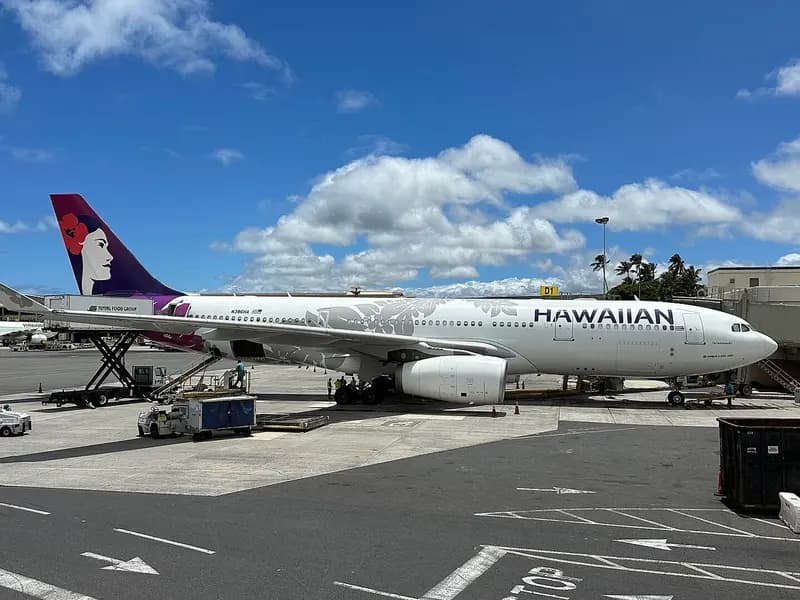
Alaska and Hawaiian Airlines Will Fly Nonstop From Seattle to Osaka and Tahiti From Spring 2027
Oct 20, 2026/2 min read

Norte Fire Put 16,000 Under Evacuation Orders in San Clemente, and They Are Now Lifted: What Travelers Should Know
Oct 18, 2026/2 min read
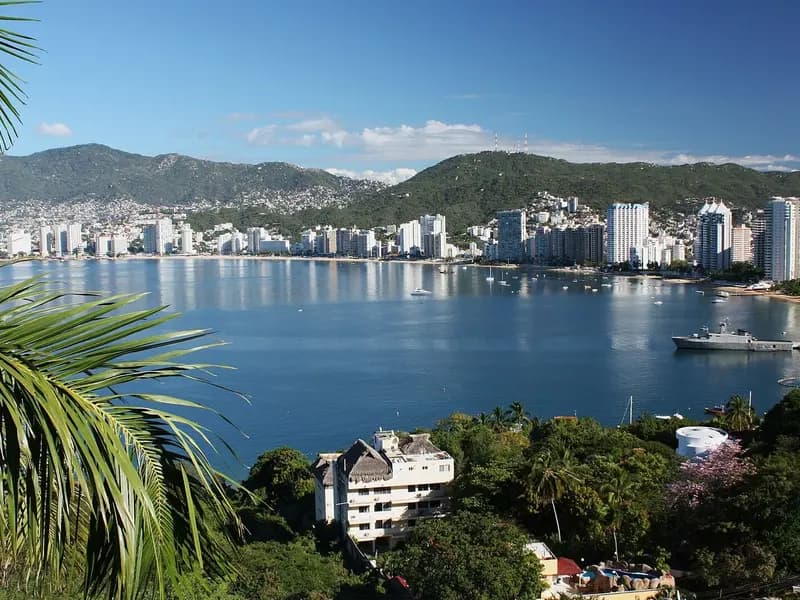
Tropical Storm Trudy Is Forecast to Become a Major Hurricane as It Nears Mexico's Pacific Coast
Oct 15, 2026/2 min read
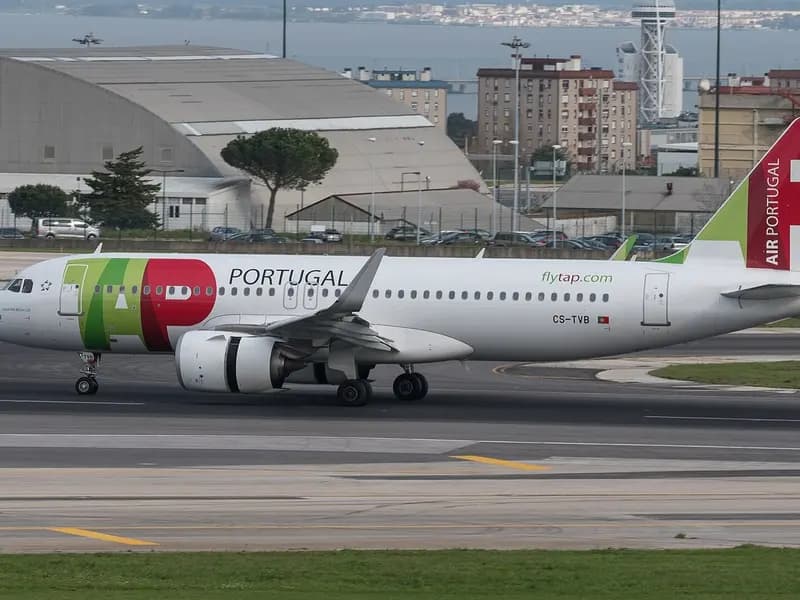
Portugal Picks Lufthansa Over Air France-KLM for a 44.9 Percent Stake in TAP Air Portugal
Oct 14, 2026/2 min read