Electricity Demand Is Becoming the Market Behind Every Other Market
The IEA expects global electricity use to grow 3.6% in 2026 and 3.8% in 2027. Cooling, industry, EVs and data centers are turning power capacity into an economic constraint.
Sunday, August 2, 2026/2 min read
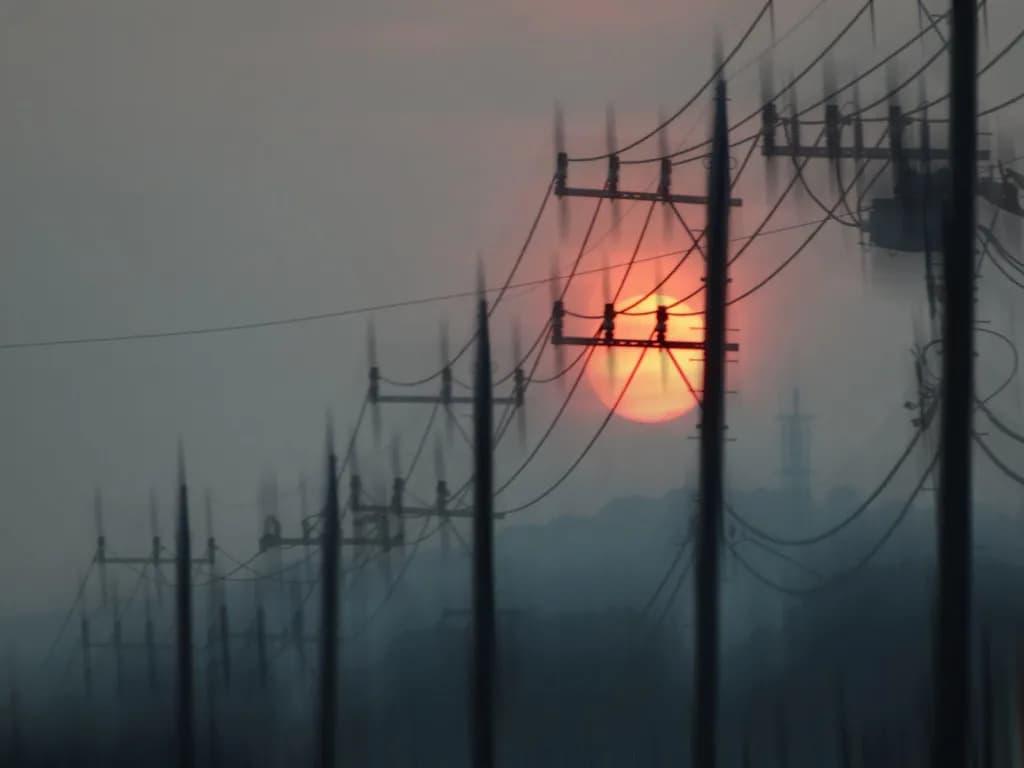
Electricity used to sit behind the economy as a utility input. It is moving to the foreground as a growth market, a bottleneck and a competitive advantage. Factories, air conditioners, electric vehicles and data centers are all asking the same grids for more capacity. The result is an investment cycle that reaches from generation and transmission to transformers, storage and software.
What the latest evidence says
The International Energy Agency expects global electricity demand to rise 3.6 percent in 2026 and 3.8 percent in 2027, faster than the 3 percent increase recorded in 2025. Consumption is projected to reach 30,700 terawatt-hours by 2027. China, India, the United States and the European Union all contribute, although the mix of industry, cooling and data-center demand differs.
IEA Electricity Mid-Year Update 2026 provides the primary data and institutional assessment behind this report.
IEA announcement on accelerating power demand adds the second official reference used to compare the outlook and its risks.
Why this matters now
This matters beyond electric utilities. A technology company cannot open a data center without a connection. A manufacturer cannot expand if grid upgrades take years. A city facing hotter summers must reserve capacity for cooling before courting new industrial loads. Power availability is becoming part of location strategy, credit analysis and national competitiveness.
What to expect in the upcoming period
The investable opportunity is wider than adding generation. Networks need substations, cables, demand-response systems and equipment that often has long delivery times. Flexible consumers can earn value by shifting use away from peaks. Regions with faster permitting and credible connection queues may attract projects that would otherwise choose the cheapest land or tax treatment.
The risk inside the forecast
Demand forecasts carry uncertainty because AI efficiency, weather and industrial cycles can change quickly. Building too little creates shortages and lost investment; building too much leaves regulated assets underused. The best projects are likely to solve multiple needs, such as reliability, renewable integration and peak demand, rather than depending on one optimistic load forecast.
What readers should watch next
For the upcoming period, power-sector indicators deserve a place beside GDP and inflation. Interconnection backlogs, transformer lead times, wholesale price volatility and utility capital plans will reveal where growth can physically happen. The economy may be increasingly digital, but its next expansion is limited by an old requirement: enough electrons at the right place and time.
Published in The Outspoken Digest
Newsletter
The Digest, in your inbox
One edition, sent when it is ready. No noise, and your address is never passed on.
Read Next
More Business →
Jio Platforms Raises Rs 8,110 Crore From Anchors at the Top of Its Range as India's Biggest IPO Opens
Oct 21, 2026/2 min read

Netflix Beats on Profit, Then Slides After Hours as It Trims Its Ad Forecast and Guides Lower
Oct 21, 2026/2 min read

Wall Street Rebounds as AI Stocks Recover, With the Nasdaq Up 1.1% and the 10-Year Yield Above 5.15%
Oct 20, 2026/2 min read

CoreWeave Shares Fall 25 Percent in a Week as Its Bonds Flash Warning Signs for AI's Borrowers
Oct 18, 2026/2 min read