World Trade Is Breaking Records, but Prices Are Doing Too Much of the Work
Goods and services trade added about $2 trillion in the first half of 2026. Much of the rise reflects higher prices, leaving a more uneven volume story underneath.
Outspoken Digest Global Markets Desk
Sunday, August 2, 2026/2 min read
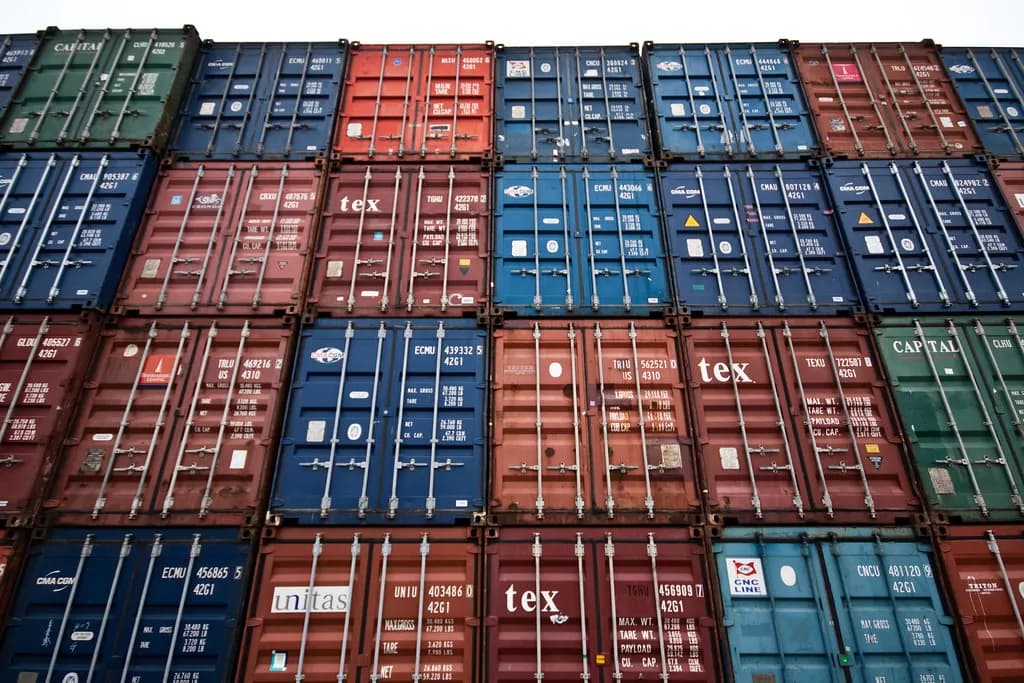
A record trade value sounds like unambiguous strength. In 2026 it needs a second look. Global goods and services flows expanded sharply in dollar terms during the first half, yet higher energy, transport and production prices account for a meaningful share of the increase. Companies may be moving more money without moving proportionally more products.
What the latest evidence says
UN Trade and Development estimates goods trade reached about $13.7 trillion in the first half of 2026, up 12.5 percent from a year earlier, while services grew 10.5 percent. Combined trade added roughly $2 trillion. Prices of traded goods rose about 3.6 percent in the first quarter and an estimated 5 percent in the second as shipping and energy disruptions raised costs.
UNCTAD July-August global trade update provides the primary data and institutional assessment behind this report.
UNCTAD high-tech goods trade briefing adds the second official reference used to compare the outlook and its risks.
Why this matters now
Nominal growth can flatter revenue while squeezing margins. An exporter may report higher sales because each shipment costs more, even if volume is flat and logistics absorb the gain. Importers face the opposite problem: a larger bill without more inventory. Investors need to separate price, currency and physical volume before treating trade growth as evidence of broad demand.
What to expect in the upcoming period
Technology-intensive sectors remain the bright spot. UNCTAD reports strong growth in critical minerals, semiconductors, batteries, ICT goods and electric vehicles. East Asia is leading the expansion, while other regions are more mixed. If shipping conditions stabilize, volume could catch up with value; if costs remain high, the record may become a story about inflation rather than prosperity.
The risk inside the forecast
Trade is also becoming more concentrated around AI hardware and a few production hubs. That creates opportunity for connected economies but leaves commodity importers and less integrated regions behind. A tariff change, port disruption or energy shock can travel quickly through the same networks that produced the boom.
What readers should watch next
The useful dashboard for the coming months is not the headline dollar total. Watch container volumes, freight rates, export prices and delivery times. When value and volume rise together, the trade expansion becomes healthier. Until then, the world is trading at record prices, but not every participant is receiving a record benefit.
Published in The Outspoken Digest
Newsletter
The Digest, in your inbox
One edition, sent when it is ready. No noise, and your address is never passed on.
Read Next
More Business →
Tesla Beats Profit Estimates on $28.05 Billion in Revenue, Then Slips After Hours
Oct 22, 2026/2 min read

Nasdaq Jumps 1.05% as SpaceX and Super Micro Revive the AI Trade While Netflix and AT&T Slide
Oct 22, 2026/2 min read

Jio Platforms Raises Rs 8,110 Crore From Anchors at the Top of Its Range as India's Biggest IPO Opens
Oct 21, 2026/2 min read

Netflix Beats on Profit, Then Slides After Hours as It Trims Its Ad Forecast and Guides Lower
Oct 21, 2026/2 min read