Raphael Glucksmann Wins the French Left's Primary in the First Round With 66 Per Cent
He beat Olivier Faure and Segolene Royal after a cyberattack extended voting, but only about 120,000 people took part, a small fraction of the electorates of earlier Socialist primaries.
Sunday, October 11, 2026/2 min read
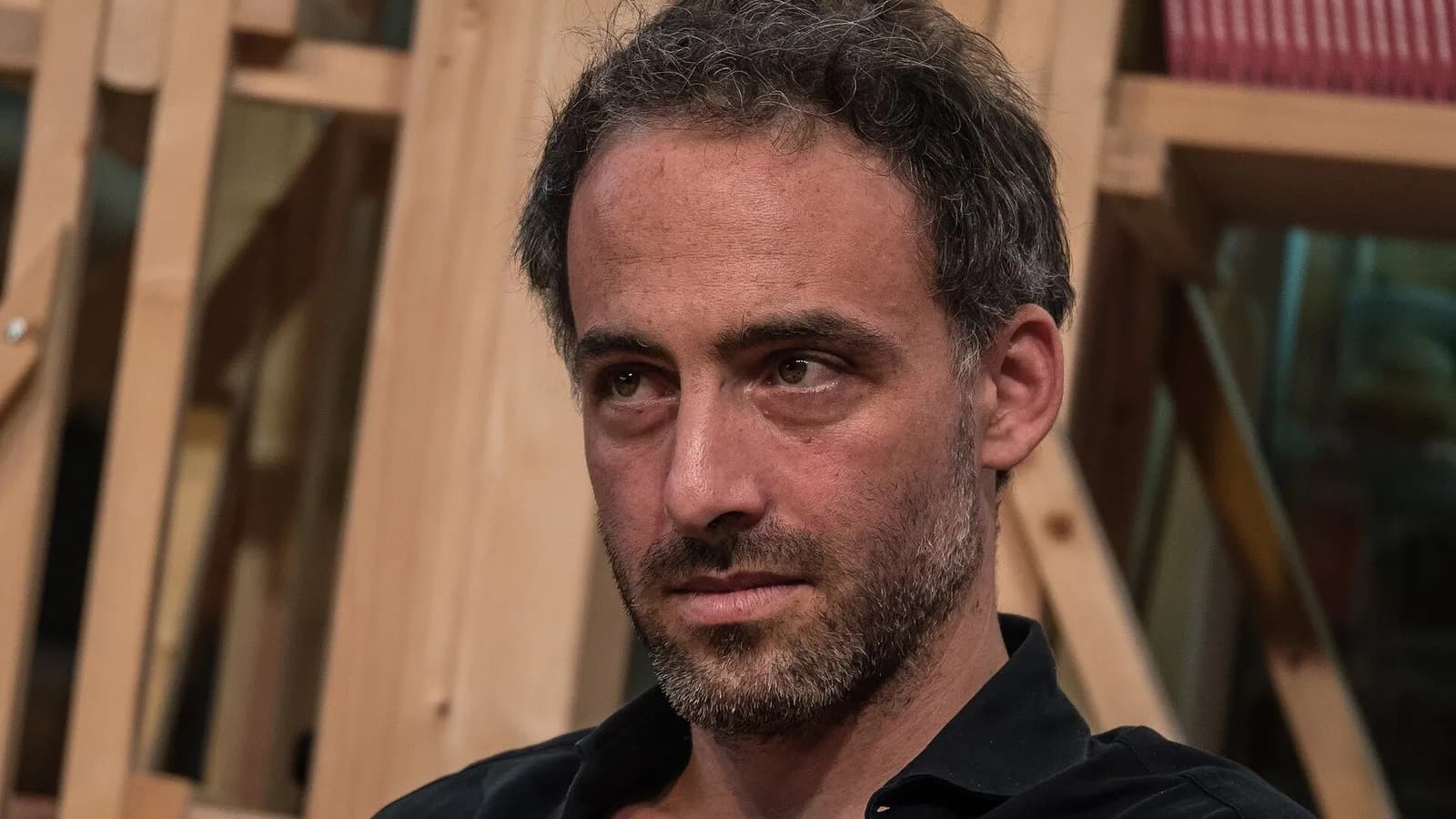
France's centre-left has its presidential candidate, and it did not need a second round to choose him. Raphael Glucksmann, the member of the European Parliament who leads Place publique, won the Socialist-led primary on Sunday with 66.17 per cent of the vote, Euronews reported, making him the social-democratic candidate for the 2027 presidential election.
Socialist Party leader Olivier Faure was second with 14 per cent. Segolene Royal finished third with under 8 per cent, and Jerome Guedj and Emmanuel Maurel each took close to 6.
What were the results of the French left primary?
The figures from Public Senat are more precise: Glucksmann 66.17 per cent, about 80,000 ballots, Faure 14.46, Royal 7.62, Maurel 5.92 and Guedj 5.83. In total 120,787 people voted. The organisers had revised the electorate down to 134,467 after removing duplicate registrations.
Two outlets give different turnout rates, 86 per cent in one and 89.82 per cent in the other, so the rate itself is best treated with caution. The headline count of voters is not in dispute.
The scale matters because of what Glucksmann must now do with it. Public Senat notes that Mélenchon, who was not invited to take part, has led left-wing voting intentions so far, which makes Glucksmann's claim to be the main non-Mélenchon candidate of the left an argument still to be won with voters.
Did a cyberattack disrupt the vote?
Yes. On the first day a cyberattack flooded the voting site with fake connections and many voters could not get in, Public Senat reports. The organising committee, chaired by Patrick Mennucci, extended voting by nearly 24 hours; Euronews says the poll, which began on Friday morning, closed at 6 p.m. on Sunday. Things returned to normal afterwards.
How big is a 120,000-voter primary?
The count cleared the organisers' target of 100,000 voters but is far below the 2.8 million who voted in the Socialist primary of 2012 and the roughly 2 million of 2017, Public Senat notes. A political journalist told Euronews that turnout of at least 80 per cent would be needed for the exercise to count as a success.
Glucksmann wrote on X that a left faithful to its values can unite, govern and win, and said his aim was to turn the page on Macronism, stop the far right and change lives. The competition he faces is spelled out in the same coverage: Marine Le Pen leads the far right, and Jean-Luc Mélenchon leads the radical left, who was not invited to the primary but remained central to its debates, with disputes over an alliance with his party and possible support for its candidate in a second round.
That is the real test. A decisive win inside a small, loyal electorate is not yet proof that Glucksmann can reach the second round next year, and Public Senat stresses he still has to show it.
Published in The Outspoken Digest
Editorial desk
Outspoken Digest News DeskReports for The Outspoken Digest across Latest Trends, Sports, Nutrition, Crypto.
Newsletter
The Digest, in your inbox
One edition, sent when it is ready. No noise, and your address is never passed on.
Read Next
More Latest Trends →
Federal Agents Search Rep. Ilhan Omar's Washington Home Three Weeks Before the Midterms, and She Calls It Intimidation
Oct 13, 2026/2 min read

Iran Calls the US Reply on Hormuz 'Inadequate' as Two Indian Seafarers Go Missing After a Tanker Is Hit Off Oman
Oct 13, 2026/2 min read
Trump Declares a Russia-Ukraine 'Energy Ceasefire' and Moscow Keeps Hitting Ukraine's Power Plants, Zelenskyy Says
Oct 13, 2026/2 min read

Saudi Arabia Vows a Serious Response After a Houthi Missile Killed 13 at Riyadh Airport as Trump Weighs Joining
Oct 13, 2026/2 min read