Gochujang Butter Noodles for the Sauce McDonald's Korea Just Sent Across Thirteen Asian Markets
McDonald's Korea launched a gochujang butter menu fronted by G-Dragon on 17 September, part of a wider push a 23 September report says has pushed gochujang exports up 10 per cent this year. This ten-minute noodle dish uses the same pairing.
Sunday, September 27, 2026/3 min read
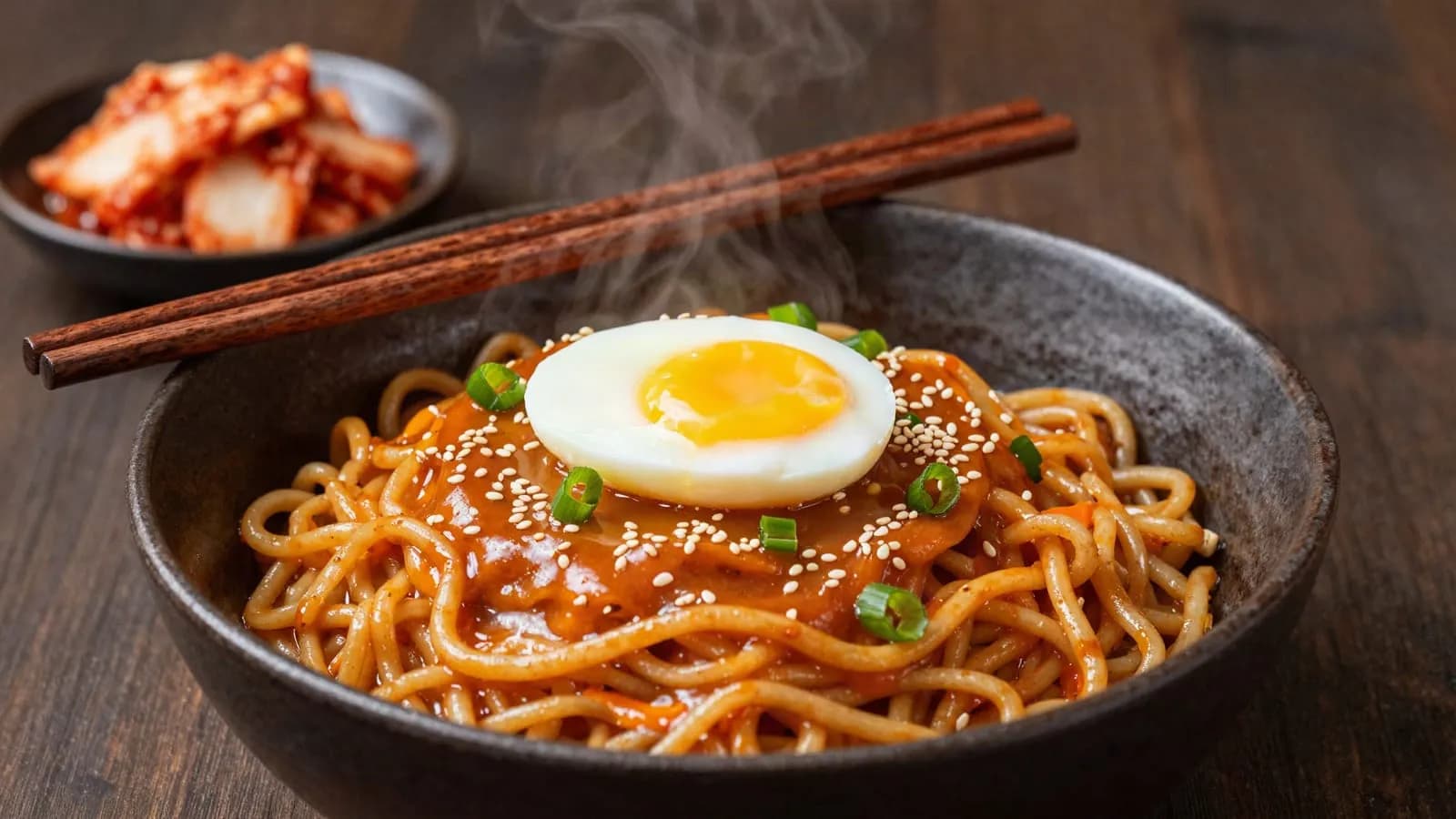
Gochujang, the fermented Korean chilli paste, has moved well past specialty grocery aisles this year, and two pieces of news from September show how far. A 9 September report announced that the singer G-Dragon would front a McDonald's campaign launching in Korea on 17 September and expanding sequentially across thirteen Asian markets, built around a gochujang butter sauce used in new McCrispy and McSpicy items. Two weeks later, a 23 September report on Korean flavours entering global menus put a figure on the wider trend, noting gochujang exports reached 46.01 million dollars in the first eight months of 2026, a 10.1 per cent rise that outpaced overall sauce exports nearly three to one, with the same report noting that Marks and Spencer had launched a gochujang mayo and Tesco a gochujang chicken sandwich.
Why butter is the pairing worth copying
The specific combination McDonald's Korea settled on, gochujang plus butter rather than gochujang alone, is doing real work. Gochujang's heat is fermented and slow rather than sharp, and butter's fat coats the tongue and rounds off that heat into something closer to savoury-sweet than aggressively spicy, the same swicy logic driving hot honey elsewhere this year. Melting the two together into a sauce for noodles takes the pairing out of a fast-food wrapper and into a genuinely fast homemade dinner.
Ingredients, for two servings
- 200g dried udon or thick wheat noodles (7oz)
- 2 tablespoons unsalted butter
- 1 1/2 tablespoons gochujang
- 1 tablespoon soy sauce
- 1 teaspoon honey
- 1 garlic clove, finely grated
- 2 tablespoons pasta or noodle cooking water, reserved
- 1 spring onion, thinly sliced
- 1 teaspoon toasted sesame seeds
- 1 fried or soft-boiled egg per serving, optional
Method
Bring a large pot of water to the boil and cook the noodles according to the packet instructions until just tender. Just before draining, scoop out 2 tablespoons of the starchy cooking water and set aside; this small amount is what lets the sauce cling to the noodles rather than pooling at the bottom of the bowl.
While the noodles cook, melt the butter in a wide pan or wok over medium-low heat. Add the gochujang, soy sauce, honey and grated garlic, and stir constantly for about a minute, until the mixture is glossy and fully combined; keep the heat gentle, as gochujang can catch and turn bitter if the pan is too hot.
Add the reserved cooking water to the sauce and stir to loosen it into a silkier consistency, then add the drained noodles directly to the pan. Toss thoroughly with tongs for a minute or two, until every strand is coated evenly in the sauce and glossy rather than patchy.
Divide between two bowls, scatter over the spring onion and sesame seeds, and top each with a fried or soft-boiled egg if using, breaking the yolk into the noodles just before eating so it runs into the sauce.
Two swaps
Swap the udon for spaghetti in a pinch; the sauce clings just as well to a long strand shape. For a version closer to the Marks and Spencer product mentioned above, stir a tablespoon of mayonnaise into the finished sauce off the heat for a creamier, milder result.
Storage
Best eaten immediately, as noodles in a butter-based sauce firm up and separate once cold. If needed, keep the sauce and cooked noodles separately in the fridge for up to two days and reheat together in a pan with a splash of water to loosen the sauce again.
Published in The Outspoken Digest
Editorial desk
Outspoken Digest Food DeskCooking, ingredients, restaurants and the economics of what ends up on the table.
Newsletter
The Digest, in your inbox
One edition, sent when it is ready. No noise, and your address is never passed on.
Read Next
More Recipes →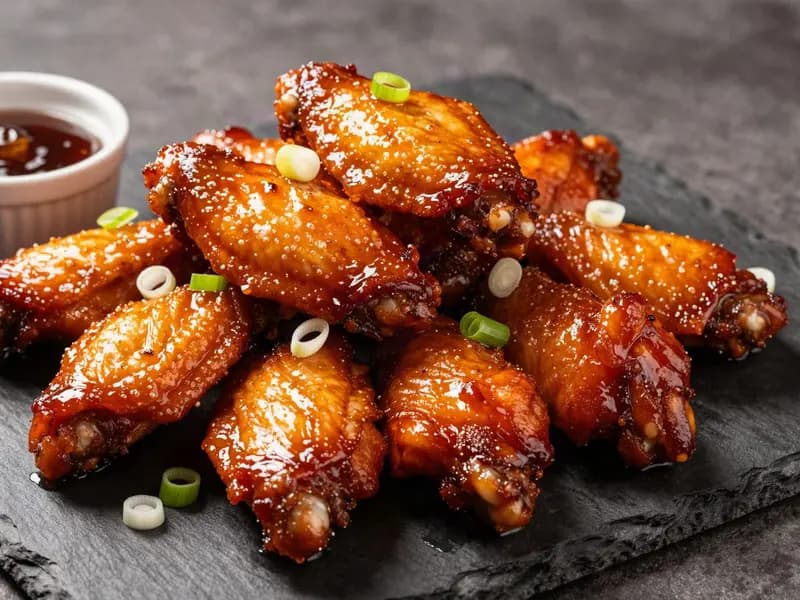
Swangy Tamarind Glazed Chicken Wings for the Flavour Replacing Swicy on Fast Food Menus
Sep 29, 2026/3 min read

Baked Apple Cider Doughnuts for a Cider Season That Peaked Earlier Than the Calendar Says
Sep 29, 2026/3 min read
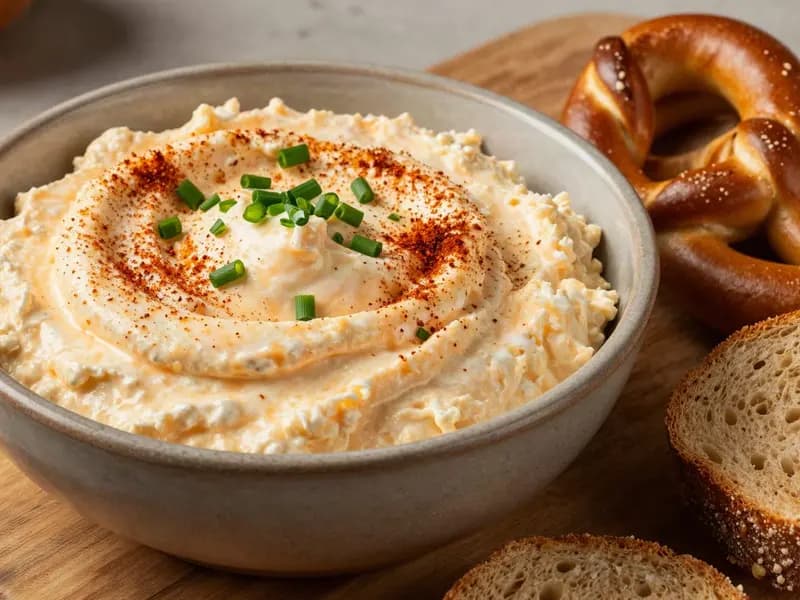
An Obatzda Bavarian Beer Cheese Dip for the Final Stretch of Oktoberfest 2026
Sep 29, 2026/3 min read