Gold Rebounds After the Fed Hold: What Today's Move Actually Says
Gold-linked assets climbed after the Federal Reserve held rates steady, but the next move still depends on yields, the dollar and central-bank demand.
Friday, July 31, 2026/2 min read
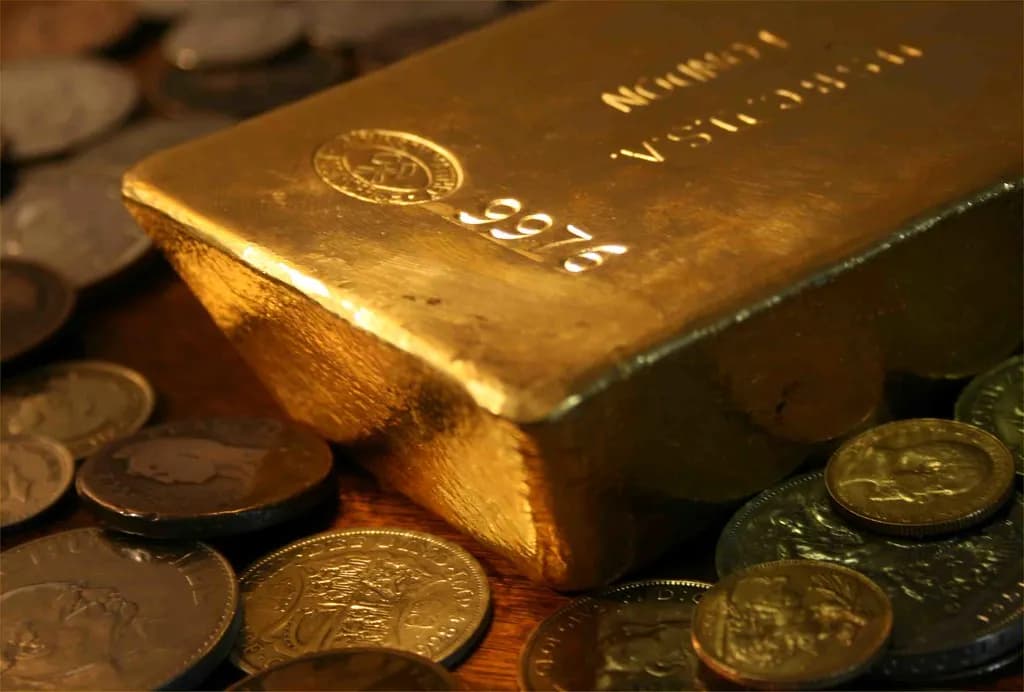
Gold ended July with a forceful reminder that one trading session can change the mood without settling the argument. SPDR Gold Shares, the largest US-listed bullion fund, traded around $377 on July 31 after gaining roughly 1.6% from its previous close. That is a useful real-time market signal, but it is not a promise that bullion has begun another straight-line rally.
The immediate backdrop is the Federal Reserve's decision to keep its policy range unchanged. The official Federal Reserve meeting calendar and statements remain the primary record for the decision, while markets are now debating whether stubborn inflation could keep rates high or even revive tightening. Gold pays no interest, so the direction of real yields and the dollar often matters more than the emotional label of safe haven.
Why gold rose after the decision
A rate hold can support gold when investors interpret it as less aggressive than feared. Lower bond yields reduce the income sacrificed by owning bullion, and a softer dollar makes dollar-priced gold cheaper for international buyers. Positioning also matters. Traders who had expected a more hawkish surprise may have covered bearish positions once the announcement passed.
The move also arrives after an unusually volatile year. Gold has already shown that it can surge during uncertainty, fall when cash is urgently needed and rebound when interest-rate expectations change. Anyone presenting a single cause for every daily move is simplifying a market shaped by currencies, yields, central banks, exchange-traded funds, jewellery demand and geopolitical hedging.
What professional research expects next
The World Gold Council's mid-year outlook frames the second half through scenarios rather than a guaranteed target. A weaker dollar, lower yields and renewed risk aversion would support the bullish case. Persistent inflation, firm real rates and reduced investment demand would create downside pressure. Central-bank purchases provide a structural layer of demand, but they do not eliminate drawdowns.
That distinction is essential after a strong day. Structural buyers can improve the long-term foundation while short-term investors still sell. High prices can also reduce jewellery demand and encourage recycling, introducing supply precisely when enthusiasm is greatest.
What investors should watch in August
- US inflation and employment data, because both influence the next rate decision.
- The 10-year real yield and the dollar index rather than nominal rates alone.
- Gold ETF flows, which show whether financial investors are adding exposure.
- Official-sector buying and any evidence that high prices are slowing demand.
- Geopolitical developments, while remembering that crisis headlines do not always lift gold.
A rebound is information, not a forecast
Today's gain says that the market found relief after the Fed decision and that demand remains responsive when rate expectations soften. It does not say that gold can only move higher from here. The metal can diversify certain portfolio risks over long periods while remaining extremely volatile over weeks and months.
For readers considering exposure, the practical questions are position size, time horizon, storage or fund costs and tolerance for sharp declines. A gold bar, an ETF and a mining share carry different risks even when all are described as gold investments. This article is market analysis, not individualized investment advice. The disciplined conclusion is simply that gold's second-half contest between monetary pressure and structural demand is still active, and July's final rebound kept both sides in the game.
Published in The Outspoken Digest
Editorial desk
Outspoken Digest Markets DeskReports for The Outspoken Digest across Business, Crypto.
Newsletter
The Digest, in your inbox
One edition, sent when it is ready. No noise, and your address is never passed on.
Read Next
More Business →
CoreWeave Shares Fall 25 Percent in a Week as Its Bonds Flash Warning Signs for AI's Borrowers
Oct 18, 2026/2 min read

Nasdaq Ends Its Worst Week Since June as Chip Stocks Slide and Oil Climbs Toward $110
Oct 18, 2026/2 min read

ECB Clears UniCredit to Go Past 30 Percent of Commerzbank, Opening the Way to Control by Year-End
Oct 17, 2026/2 min read

Indonesian Stocks Plunge Nearly 12 Percent, the Worst Day Since 1998, After MSCI Floats a Downgrade to Standalone Status
Oct 16, 2026/2 min read