Great Barrier Reef Faces a Possible Seventh Mass Bleaching in a Decade as El Niño and Warm Seas Converge
Reef temperatures have gone from below average to near record highs in six weeks, and a long-range outlook points to marine heatwaves. Only low bleaching so far, with the risk window January to March.
Wednesday, November 25, 2026/2 min read
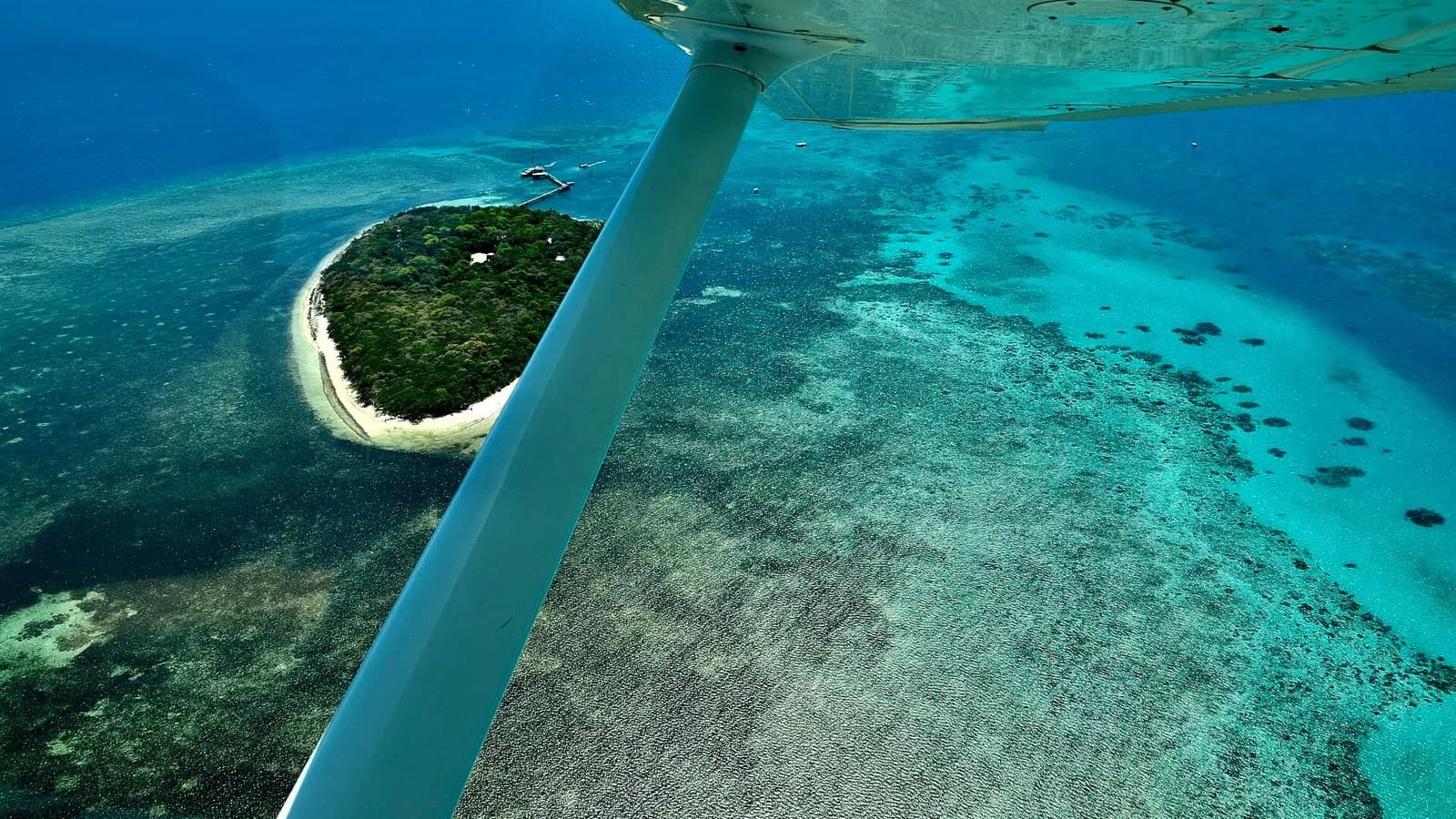
Australian scientists say the Great Barrier Reef could suffer its seventh mass bleaching in roughly a decade this summer, as a strengthening El Niño meets seas that are already unusually warm. ABC News reports that a long-range forecast from the CSIRO and the Bureau of Meteorology puts ocean temperatures about 2 degrees Celsius above normal over the coming months along large parts of the Queensland, New South Wales, Tasmanian and Northern Territory coasts, with a very high chance of marine heatwaves.
Nothing has happened to the corals yet. The Great Barrier Reef Marine Park Authority said in a statement on 23 November that only low levels of bleaching have been recorded and that no coral deaths have been reported, according to Nature World News. This is a warning, and the authority is treating it as one.
Why is El Niño a threat to the Great Barrier Reef?
El Niño usually cools much of the western Pacific, but it can still raise bleaching risk by bringing warmer, drier, calmer weather. Bureau of Meteorology scientist Claire Spillman told ABC that calm, sunny conditions can heat shallow water quickly, and that widespread bleaching followed the last two El Niño events, in 2016 and 2024. The Reef Authority adds that clearer skies and lower winds let sunlight in while less wind mixes the surface layer.
Reef Authority chief scientist Roger Beeden says temperatures on the reef went from below average in early October to approaching record highs by mid-November. If a strong El Niño develops, the authority says, sea surface temperatures could climb up to 2 degrees above average. ABC adds that October was the warmest October on record globally, at 1.05 degrees above average.
When would coral bleaching happen, and is it certain?
Bleaching happens when heat stress makes corals expel the algae that feed them and give them their colour. The authority says it is most likely between January and March, and that widespread bleaching is not certain. Scientists have extended the marine heatwave scale by three degrees to capture the heat they now expect, ABC reports, and this is the first time a marine heatwave outlook has been public during an El Niño year.
What is being done to protect the reef?
The Reef Authority describes a five-part plan: early warning from satellite temperature data and heatwave forecasts, rapid assessment through aerial and in-water surveys, protection that includes controlling crown-of-thorns starfish on priority reefs, shared "reef intelligence", and regular public updates. That intelligence draws on observations from Traditional Owners, tourism operators, researchers and the Eye on the Reef network, so the people who spend the most time on the water, including tourism operators, are part of the early-warning system. ABC adds that the authority is testing coral clones bred to tolerate warmer water. Beeden compared the preparation to getting ready for a dangerous bushfire season.
Campaigners want more. Lissa Schindler of the Australian Marine Conservation Society told ABC the warning gives advance notice of potentially catastrophic damage, and the group wants Environment Minister Murray Watt to create an emergency response plan that treats severe bleaching as a natural disaster. A spokesperson for Watt said existing processes already address extreme weather impacts on the reef.
The test comes early in the new year. Until then, the reef's own temperature readings and the Authority's regular updates are the numbers to watch.
Published in The Outspoken Digest
Editorial desk
Outspoken Digest Diving DeskCovers freediving, recreational and technical diving, dive medicine and the incidents the sport learns from.
Newsletter
The Digest, in your inbox
One edition, sent when it is ready. No noise, and your address is never passed on.
Read Next
More Diving →
Robot Submarine Finds the Deepest Explosive Eruption Deposit Ever Seen, 6,148 Metres Down in the Challenger Deep
Nov 23, 2026/2 min read
Wreck of HMCS Spitfire, Australia's First Home-Built Warship, Is Found Off Far North Queensland After 128 Years
Nov 20, 2026/2 min read

SS United States Lands Upright on Gulf Seabed and Opens to Divers Within a Day
Nov 16, 2026/2 min read

British Diver, 61, Dies on Zenobia Wreck Off Larnaca, Cyprus, as Cause Remains Unknown
Nov 13, 2026/2 min read