The Greenland Deal: What 'Permanent Control Over Security' Means, What Denmark Kept, and Who Must Approve It
Trump says America gets permanent control of Greenland's security, a large new garrison and a veto on rival bases, at no cost. Copenhagen says the text recognises Danish sovereignty and Greenlandic self-determination. Nobody has published the document.
Tuesday, September 22, 2026/3 min read
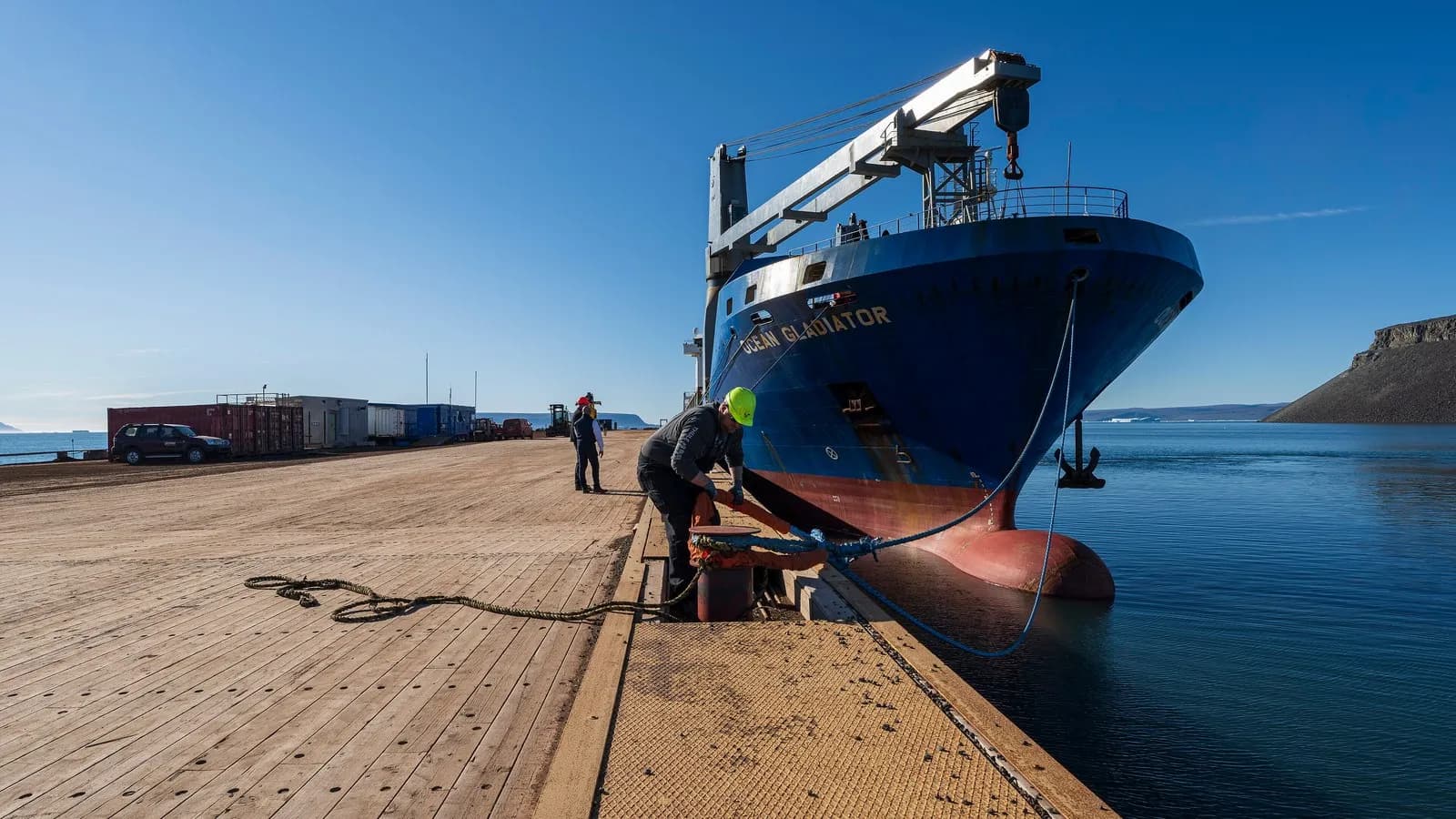
On Friday evening Donald Trump announced that the United States, Denmark and Greenland had reached an agreement giving America "permanent control over security" in Greenland and, in his phrase, "all other needs", and that the three governments would sign it at the United Nations General Assembly this week. He said the United States would "immediately begin the process of developing a large Military presence in the appropriate part of Greenland", that adversaries would be barred from bases, personnel or sensitive investments there without written American authorisation, and that "there will be NO COST to the United States". He called it an "Infinite Life" agreement that would survive Greenlandic independence. The text has not been published. What follows is what can be established from the three governments' statements and from Al Jazeera's and NBC's reporting of it.
What Denmark says it signed
Mette Frederiksen's statement says the agreement "recognises the sovereignty and territorial integrity of the Kingdom and the Greenlandic people's right to self-determination." Greenland's premier, Jens-Frederik Nielsen, said it "recognises Greenland's interests" and benefits "us all". Neither used the word control. The island remains part of the Kingdom of Denmark; the United States does not acquire territory, and the deal requires approval by the parliaments in Copenhagen and Nuuk before it can be signed, which is why the UN signing is a plan rather than a date. A January 2025 poll found 85 per cent of Greenland's 56,000 people opposed to joining the United States, and nothing since has suggested that has changed; the parliamentary vote in Nuuk is the one to watch.
What the United States already had
Under the 1951 defence agreement the United States has had broad rights to overfly Greenland and to build and operate bases there for 75 years. It runs Pituffik Space Base in the north-west, formerly Thule, with a little over a hundred personnel and the early-warning radar that watches the polar approaches. What the new agreement appears to add is a right of veto over third countries, which is aimed at Chinese investment in ports, mines and airfields and at any Russian presence, and a political commitment to expand the American footprint. Richard Weitz of the NATO Defense College told Al Jazeera that Trump "got pretty much everything he wanted, except formal annexation", which is a fair reading of a deal in which Denmark gave up nothing it had not already conceded in 1951 and gained the end of a year of threats.
How it got here
The crisis began in January 2025 with Trump's refusal to rule out force, ran through the Vance visit to Pituffik, Danish and European statements of solidarity, Greenlandic elections in which every party rejected American rule, and a summer in which the White House's language shifted from ownership to security. The agreement is the landing. For Copenhagen it converts an existential threat into a base-rights treaty of the kind it has had since Truman. For Nuuk it buys an American guarantee against the two powers Greenlanders fear more, at the price of a larger garrison and a veto they did not ask for. For Washington it is a victory that can be announced at the UN, and the announcement matters more to this administration than the small print. The small print is what the two parliaments will read. Until they publish it, "permanent control" is a claim, and the Danish statement is the only text anyone outside the three governments has seen.
Published in The Outspoken Digest
Editorial desk
Outspoken Digest News DeskReports for The Outspoken Digest across Latest Trends, Sports, Nutrition, Crypto.
Newsletter
The Digest, in your inbox
One edition, sent when it is ready. No noise, and your address is never passed on.
Read Next
More Latest Trends →
Navi Pillay, the South African Jurist Who Led the UN Gaza Inquiry, Wins the 2026 Nobel Peace Prize
Oct 9, 2026/3 min read
Trump Says the US Will Not Attack Iran Before the Midterms, While Tanker Attacks Cut Hormuz Traffic to a Two-Month Low
Oct 9, 2026/3 min read
Russian Strikes Killed 22 in Pryluky and at Least 30 on Two Buses in Kramatorsk Within Two Days
Oct 9, 2026/2 min read
A Year After the Gaza Ceasefire, More Than 100 Aid and Rights Groups Say It Exists in Name Only
Oct 9, 2026/2 min read