The Gulf's Sporting Decade: What F1, Boxing and LIV Golf Actually Bought
Billions poured into golf, motorsport, boxing and tennis. As the numbers come due, the Gulf's sports strategy is quietly being rewritten.
Wednesday, September 10, 2025/3 min read
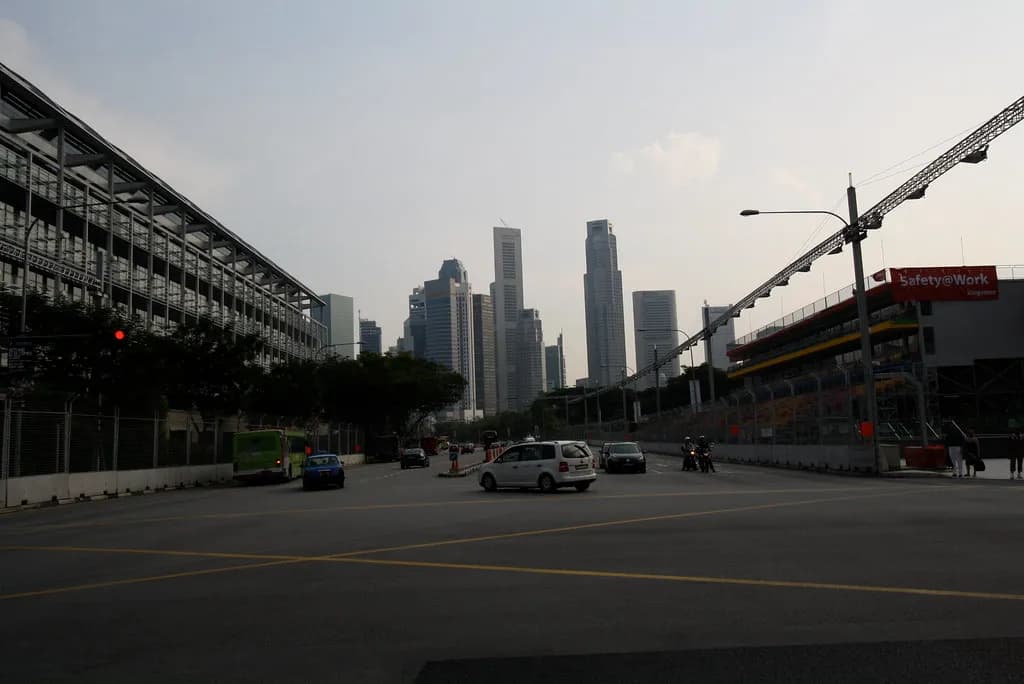
Five years ago, LIV Golf did not exist, Saudi Arabia had never hosted a Formula 1 race, and the idea of a Gulf-backed prize purse rivaling Wimbledon's would have sounded like fantasy. Now the receipts are in, and they tell a more complicated story than the headlines about bottomless spending ever did.
The Public Investment Fund, Saudi Arabia's sovereign wealth vehicle, has poured an estimated five billion dollars into LIV Golf since the breakaway tour launched, according to reporting on the fund's mounting losses. That is an extraordinary sum for a golf tour that, by most measures, has yet to deliver the mainstream breakthrough its backers promised when they lured away major champions with contracts no traditional tour could match.
Is Saudi Arabia pulling back from LIV Golf?
The clearest signal of a strategic reset came with reporting that the PIF plans to withdraw its backing of LIV Golf at the end of the 2026 season. Golf Channel's coverage of the fund's investment reboot frames LIV as just one property caught in a broader recalibration, not an isolated retreat. It fits a pattern industry watchers have flagged before: the initial 2021 and 2022 wave of mega-project announcements is being scaled back across several sports simultaneously, not just golf.
What has the investment actually delivered outside golf?
Formula 1 tells a steadier story. Saudi Arabia has hosted a race since 2021, and the PIF now owns roughly 20.5 percent of the Aston Martin F1 team, a stake that gives the kingdom a direct seat inside one of the sport's constructors rather than just a race weekend on the calendar. Analysis of the kingdom's sports strategy shift points to motorsport as one of the areas holding up better than golf, partly because it slots more naturally into a calendar the kingdom already controls.
What about tennis and boxing?
Tennis has quietly become one of the more durable bets. The PIF hosts a 15 million dollar season-ending tournament on the WTA calendar and holds naming rights across both the men's ATP and women's WTA tours, embedding itself into the sport's institutional structure rather than just buying individual events. Boxing has followed a similar logic, with a string of major fights staged in Riyadh that have pulled some of the sport's biggest cards away from Las Vegas and London for the first time in the sport's modern history.
How does football fit into the bigger picture?
Football remains the anchor of the whole strategy. The rapid buildout of the Saudi Pro League, the PIF's acquisition of Newcastle United, and the confirmed hosting rights for the 2034 World Cup and 2027 AFC Asian Cup all sit under the same umbrella as the golf and motorsport spending. CBC's rundown of the kingdom's cross-sport spending makes the case that golf, motorsport and football were never separate bets so much as parallel fronts in the same campaign for global sporting relevance.
So what did the decade actually buy?
Not, it turns out, a golf tour that broke the mainstream. What it bought instead was a seat at the table across nearly every major global sport at once: a stake in a Formula 1 constructor, naming rights on two tennis tours, boxing's biggest fight cards, a growing domestic football league, and hosting rights for the world's biggest single sporting event. The LIV Golf pullback, rather than reading as retreat, looks more like a portfolio being rebalanced toward the bets that paid off. The Gulf's sporting decade was never about winning one sport. It was about being present in all of them, and on that measure, the strategy mostly worked.
Published in The Outspoken Digest
Newsletter
The Digest, in your inbox
One edition, sent when it is ready. No noise, and your address is never passed on.
Read Next
More Sports →
Russell Tops the Only Practice in Singapore, Then Faces a Back-of-the-Grid Start With Antonelli 84 Points Clear
Oct 9, 2026/2 min read
Brewers and Dodgers Set Up an NLCS Rematch as the Rays Sweep the Yankees
Oct 8, 2026/3 min read
Falcons Run Past Saints 45-24 on Monday Night Football and Spoil the Superdome's Domecoming Anniversary
Oct 6, 2026/2 min read