Hungary's Magyar and Ukraine's Zelenskyy Hold First Meeting in Brussels After Budapest Lifts Its EU Accession Veto
The two leaders met on the sidelines of the European Council, days after Kyiv passed a minority education law and the EU opened two more negotiating clusters with Ukraine.
Friday, October 16, 2026/2 min read
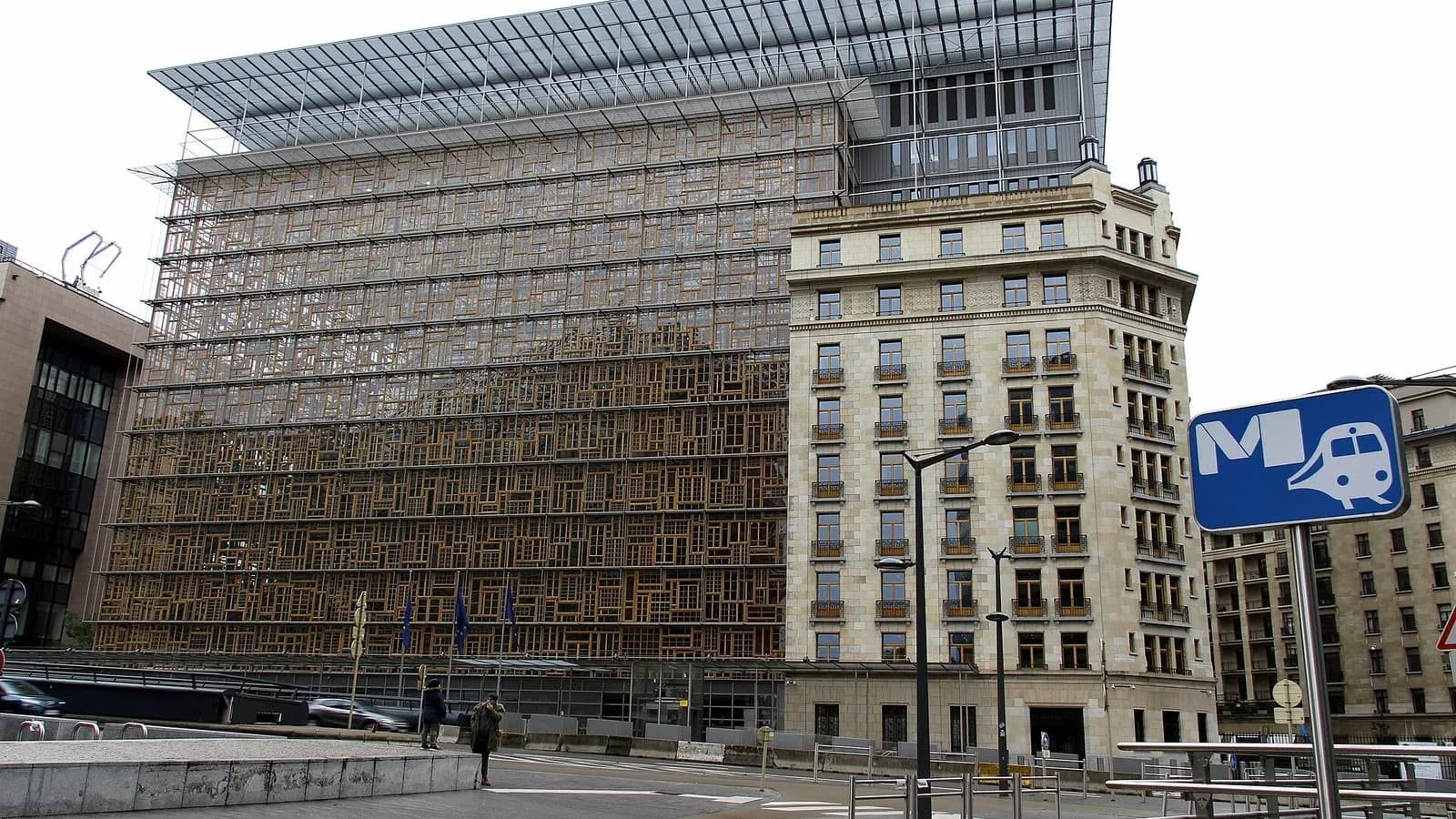
Hungarian Prime Minister Péter Magyar and Ukrainian President Volodymyr Zelenskyy sat down together in Brussels on Friday for their first bilateral meeting, a long-delayed encounter that follows a quiet breakthrough in Ukraine's path to the European Union. The two met on the sidelines of the European Council summit, Euronews reported, after months of negotiation over when and where.
The setting matters. Under Viktor Orbán, Hungary cast Ukraine as a security threat and opposed its EU bid. Magyar's Tisza party promised a more pragmatic line after winning power in April, though Budapest still says Kyiv must meet its commitments on minority rights before EU progress can continue.
Why did Hungary lift its veto on Ukraine's EU talks?
The key was the rights of ethnic Hungarians in western Ukraine, a dispute that had blocked progress since 2023. On Monday, Ukraine's parliament approved legislation on minority education and Zelenskyy signed it. The next day, 13 October, the EU agreed to open two more accession clusters with Ukraine after Hungary dropped its objections, bringing the total to four of six, Euronews reported.
The groundwork came earlier. In June, Budapest agreed to open the first two clusters on condition of further legal protections for the Hungarian minority in Ukraine, and Ukrainian foreign minister Andrii Sybiha and his Hungarian counterpart Anita Orbán held talks in Luxembourg on 12 October.
What did Magyar and Zelenskyy say?
Magyar called the new law "a first step towards restoring mutual trust" and pledged full solidarity with Ukraine against Russia's invasion. Zelenskyy thanked him for his support and for the opening of the two chapters, and said the remaining two should open by the end of the year.
Neither side pretended the thaw was complete. Euronews reported that Budapest still insists Kyiv meet its minority-rights commitments before EU progress can continue, a condition that keeps every future step conditional.
The leaders also discussed efforts to end the war and agreed to resume joint work at several levels and to exchange visits.
What happens next between Hungary and Ukraine?
Ministerial-level talks between the two governments are expected. Magyar said a further meeting could take place in the autumn in Berehove, in western Ukraine, a centre of the Hungarian minority there. Zelenskyy has also been invited to Budapest for the 70th anniversary of the 1956 revolution on 23 October; his deputy chief of staff, Ihor Zhovkva, would say only that it remains to be seen. The reports do not detail the provisions of Ukraine's new law.
None of this means a smooth road. Budapest has tied each step to minority protections, and the final two clusters will test whether the new warmth survives the details of implementation. But after years of vetoes, the two capitals are talking, and that alone changes the temperature in Brussels.
Published in The Outspoken Digest
Editorial desk
Outspoken Digest News DeskReports for The Outspoken Digest across Latest Trends, Sports, Nutrition, Crypto.
Newsletter
The Digest, in your inbox
One edition, sent when it is ready. No noise, and your address is never passed on.
Read Next
More Latest Trends →
Lapid Says He Does Not Trust Netanyahu Not to Strike Iran Before Israel's 27 October Election
Oct 18, 2026/2 min read

Hormuz Ship Attacks Hit a Weekly Record as Iran Says a Supertanker Struck a Mine
Oct 18, 2026/2 min read
Trump Waives New Russia Sanctions and Tariffs Two Days Before They Were Due, the Second Waiver in Two Weeks
Oct 18, 2026/2 min read
Roughly Half a Million March Across France as Student Anger Over Schools Merges With Fuel Price Fury
Oct 18, 2026/2 min read