Hyperbaric Chambers: How Recompression Treatment Works
When a diver surfaces with decompression sickness, a hyperbaric chamber is the only real fix. Here is how recompression works, and where chambers actually are.
Monday, November 18, 2024/4 min read
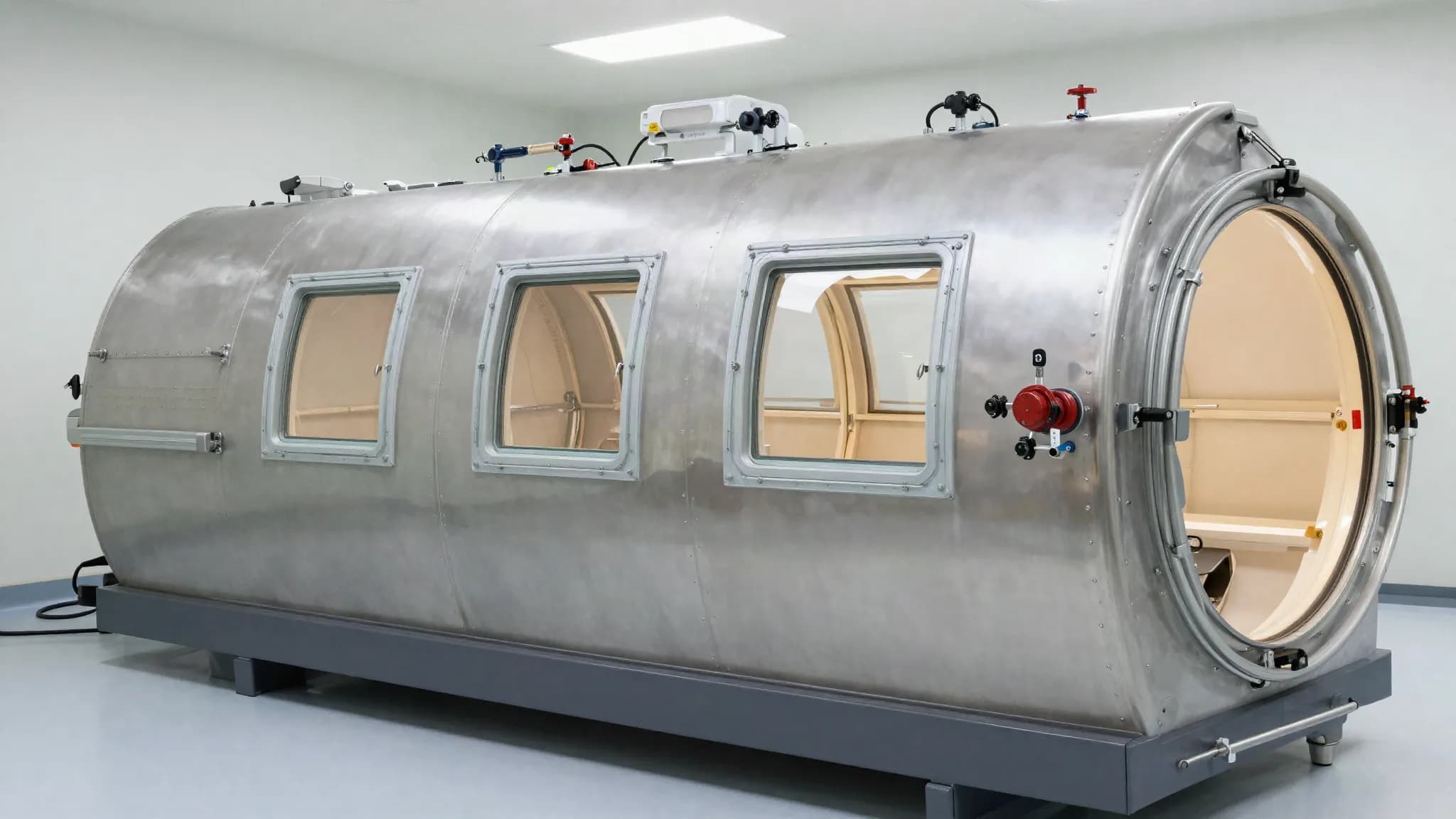
There is a version of every dive emergency story that ends with a phrase divers use almost like a prayer: get them to a chamber. It is the single piece of equipment that stands between a diagnosed case of decompression sickness and a genuinely uncertain outcome, and it is also one of the least understood pieces of diving infrastructure, mostly because divers hope never to need it.
A hyperbaric chamber is not exotic technology. It is, in essence, a sealed steel room that recreates the pressure of depth on land, and it does one specific, well proven job: it reverses what an uncontrolled ascent did to a diver's tissue.
How a hyperbaric chamber actually works
As Scuba Diving magazine's explainer on hyperbaric chambers lays out, the chamber is pressurised, effectively taking the patient back down to a simulated depth, which physically shrinks the nitrogen bubbles causing the injury and relieves pain quickly. The patient then breathes pure, medical grade oxygen through a mask or hood while pressure is held, which widens the pressure gradient that draws dissolved nitrogen out of tissue and into the lungs to be exhaled.
From there, treatment follows a slow, staged reduction in pressure back to normal, generally over several hours rather than minutes, following standardised protocols such as the U.S. Navy's treatment tables, according to Scuba.com's description of hyperbaric decompression treatment. The gradual ascent inside the chamber gives the body the time it did not get during the actual dive, clearing gas from tissue at a rate it can tolerate rather than all at once.
Where the chambers actually are
For a diver in the Red Sea, chamber access is a real, practical concern rather than an abstract one, because popular dive regions are often remote from major hospitals. According to Scubadore Hurghada's overview of dive safety in the Red Sea, Hurghada, one of the busiest dive hubs on the Egyptian coast, has hyperbaric chamber facilities specifically to serve the diving industry, reflecting how central chamber access has become to the way liveaboards and dive centres plan their operations in the region.
In the Gulf, the picture is more medical than dive specific. Aqua Diving Services, a diving safety company based in Dubai, operates containerised decompression and hyperbaric treatment chambers with technicians trained in diver medic care who can mobilise on short notice for a diving emergency, according to the company's own description of its chamber operations. Several Dubai hospitals, including Al Zahra Hospital and Fakeeh University Hospital, also run hyperbaric oxygen facilities, though these are generally oriented toward broader medical hyperbaric therapy rather than being dedicated dive emergency units.
Why distance to a chamber shapes dive planning
This is not academic detail. Serious decompression sickness cases generally have better outcomes the sooner recompression begins, which is exactly why dive operators in remote regions build chamber access, and the travel time to reach it, into their emergency planning, and why DAN World's guidance on decompression illness treats immediate oxygen first aid, administered long before a chamber is reached, as the critical bridge that buys time.
A liveaboard running multi-day trips far offshore, or an operator in a region with a single regional chamber hours away, faces a genuinely different risk profile than a shore dive centre next door to a hospital. It is one of the quieter reasons experienced divers ask about emergency evacuation plans before booking a trip, not out of morbid curiosity, but because the answer materially changes the risk of any dive they do on that trip.
The mitigation that matters most
The chamber is the treatment of last resort, not the first line of defence. The accepted mitigation is upstream of the chamber entirely: diving within no-decompression limits, ascending slowly, taking safety stops, and recognising symptoms early enough that oxygen first aid can begin before a diver's condition worsens. A well run chamber a long way away is a poor substitute for a dive that never generated a bubble problem in the first place.
This article explains how recompression treatment works as journalism, not as medical guidance. Understanding dive planning that keeps a diver from ever needing a chamber is training that belongs with a certified instructor and a recognised diving agency.
What a chamber session actually involves for the patient
Patients undergoing hyperbaric treatment remain conscious throughout, breathing pure oxygen through a mask or hood while lying or sitting inside the pressurised chamber, often with a trained attendant present inside to monitor them directly. Ears have to be cleared during pressurisation just as during an actual dive, and the depressurisation back to surface pressure is deliberately slow, frequently stretching the full treatment to several hours by the time the standard protocol is complete. More severe cases, particularly those involving neurological symptoms, sometimes require multiple sessions across several days rather than a single treatment cycle.
Why chamber access shapes how liveaboards actually operate
Dive operators running trips well offshore, in places like the outer reefs of the Red Sea or remote sites in the Gulf, generally build emergency evacuation routes into their trip planning specifically around chamber location, because a diver showing symptoms hours from the nearest facility needs a plan that was worked out calmly in advance, not improvised during an emergency. That planning typically includes onboard oxygen kits sufficient to sustain first aid administration for the transit time to a chamber, direct contact numbers for the nearest facility, and staff trained in recognising decompression illness early enough to start that transit before symptoms worsen.
As dive tourism keeps growing in regions like the Red Sea and the Gulf, chamber access is becoming as much a part of a destination's diving reputation as its reefs, quiet infrastructure that most divers will never use, and that every serious operator hopes to never need to.
Published in The Outspoken Digest
Editorial desk
Outspoken Digest Diving DeskCovers freediving, recreational and technical diving, dive medicine and the incidents the sport learns from.
Newsletter
The Digest, in your inbox
One edition, sent when it is ready. No noise, and your address is never passed on.
Read Next
More Diving →
Playing Recordings of a Healthy Reef Drew More Coral and Fish Larvae to Artificial Structures Off Hawaii
Oct 9, 2026/3 min read

Blacktip Sharks Can Hear a Sound From Nearly 250 Feet Away and Swim Straight Toward or Away From It
Oct 1, 2026/2 min read
A Sea Turtle Species Never Recorded Nesting in the United States Laid Eggs on a Southern California Beach
Oct 1, 2026/2 min read

Marine Surveyors Confirmed Living Coral Off Benin, More Than Sixty Years After the Reef Was Presumed Dead
Sep 29, 2026/2 min read