Indonesian Stocks Plunge Nearly 12 Percent, the Worst Day Since 1998, After MSCI Floats a Downgrade to Standalone Status
The Jakarta Composite halted for 30 minutes and closed at 5,185 as MSCI opened a consultation that could drop Indonesia below frontier markets, with passive outflows of billions at stake.
Friday, October 16, 2026/2 min read
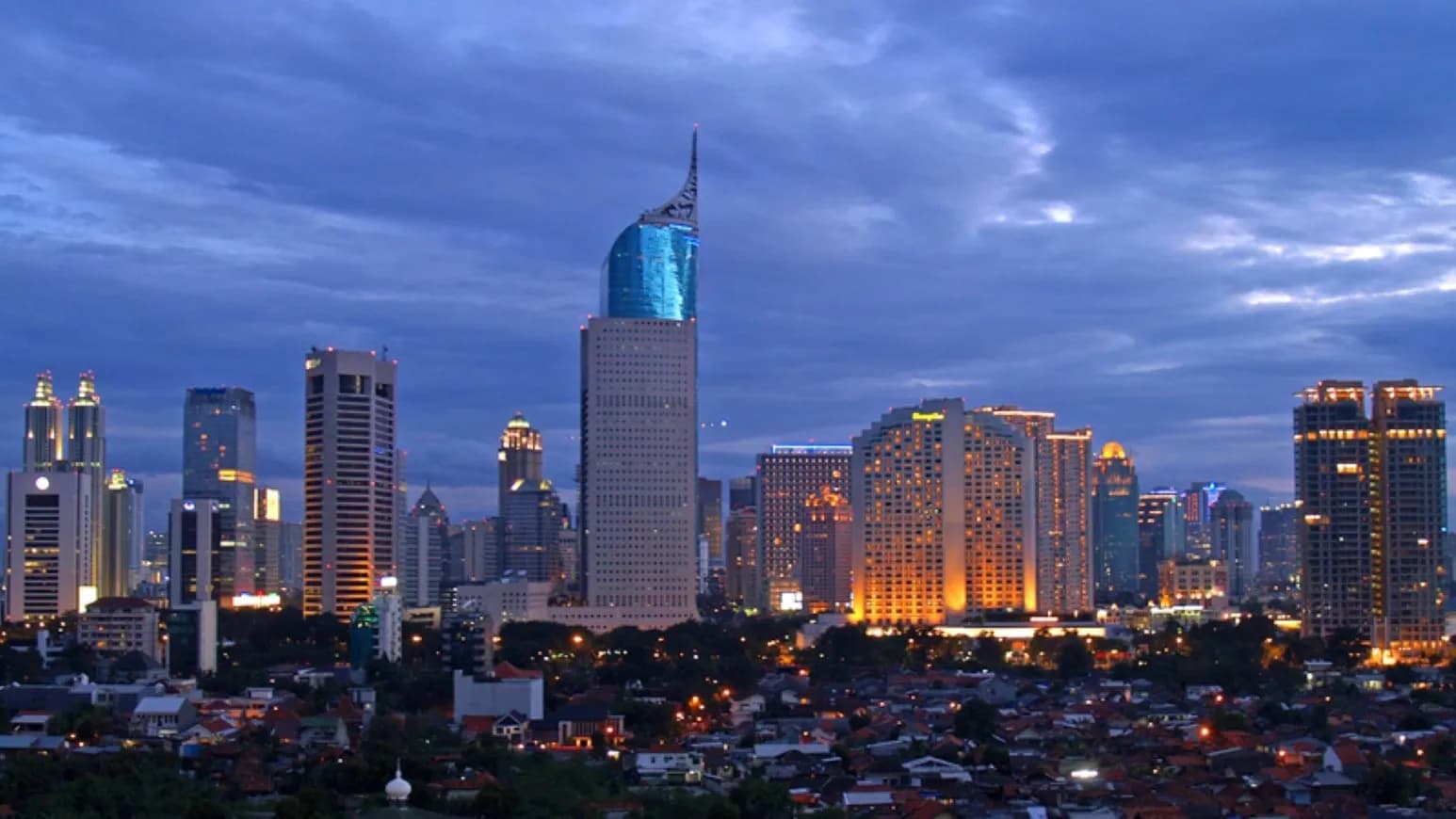
Indonesia's stock market had its worst day in more than 25 years on Friday. The Jakarta Composite Index fell 8 percent at the open, which triggered a 30-minute trading halt, then kept sliding after trading resumed. It closed down 11.57 percent at 5,185.11 points, The Jakarta Post reported.
The trigger was an announcement from index provider MSCI that it is weighing a downgrade of Indonesia from emerging-market to "standalone" status, skipping the frontier tier altogether.
What did MSCI propose for Indonesia?
MSCI opened a consultation on reclassifying Indonesia as a standalone market, saying that keeping its emerging-market status may no longer be appropriate, according to Bernama. The Jakarta Post said MSCI will take feedback until April 2027 and plans a final decision by the end of June 2027. The provider said sufficient progress on investability has not been observed consistently, despite reforms by Indonesian authorities.
Its worries are the same ones it raised in January: opaque shareholding structures, suspected coordinated trading and weak enforcement. It will also keep freezing certain index changes involving Indonesian securities, Bloomberg reported through China Daily.
How big could the outflows be?
A standalone label would remove Indonesian shares from the global indexes that passive funds track, forcing those funds to sell. Estimates vary. Mirae Asset Sekuritas put the outflow from a standalone reclassification at about $3 billion, and Citigroup at mid-single-digit billions. Goldman Sachs had estimated in June about $5 billion in passive outflows from a move to frontier status, plus $3.5 billion more if FTSE Russell followed, per the Bloomberg report.
The damage was already large. The main index is down about 40 percent this year, and global funds have pulled a net $4.9 billion from Indonesian stocks in 2026. The rupiah weakened to 18,070 per dollar, close to its record low of 18,190, Bernama said, and is down about 8 percent this year, making it Asia's weakest currency.
How are Indonesian authorities responding?
The Indonesia Stock Exchange said it would seek clarification from MSCI, pointing to significant progress and reform measures. The financial services regulator is reviewing the assessment; it has found stock-trading manipulation at PT Dian Swastatika Sentosa and fined related participants 1.5 trillion rupiah ($83.2 million). Bank Indonesia reiterated its commitment to rupiah stability.
The sell-off extended a long slide. The Jakarta Post said the benchmark has trended downward since MSCI first raised its transparency concerns in January, and Bloomberg called Friday the biggest one-day drop since January 1998.
There is one counterweight. FTSE Russell reaffirmed Indonesian equities' emerging-market status earlier this month.
The next several months are a test of whether Jakarta can show MSCI the transparency fixes it wants before the June 2027 decision. Until then, foreign investors will be pricing in the risk that the door to the main indexes is closing.
Published in The Outspoken Digest
Editorial desk
Outspoken Digest Markets DeskReports for The Outspoken Digest across Business, Crypto.
Newsletter
The Digest, in your inbox
One edition, sent when it is ready. No noise, and your address is never passed on.
Read Next
More Business →
CoreWeave Shares Fall 25 Percent in a Week as Its Bonds Flash Warning Signs for AI's Borrowers
Oct 18, 2026/2 min read

Nasdaq Ends Its Worst Week Since June as Chip Stocks Slide and Oil Climbs Toward $110
Oct 18, 2026/2 min read

ECB Clears UniCredit to Go Past 30 Percent of Commerzbank, Opening the Way to Control by Year-End
Oct 17, 2026/2 min read

Kospi Plunges Almost 8 Percent and the Nikkei Falls 5 Percent as the Tech Sell-Off Spreads to Asia
Oct 15, 2026/2 min read