Iraq's Prime Minister Visits Damascus to Discuss Sending 2 Million Barrels a Day of Oil Through Syria
Ali al-Zaidi met Ahmed al-Sharaa in the first such visit since Assad fell, with the Baniyas pipeline on the table as Hormuz stays disrupted. No deal, timetable or financing was announced.
Thursday, October 29, 2026/2 min read
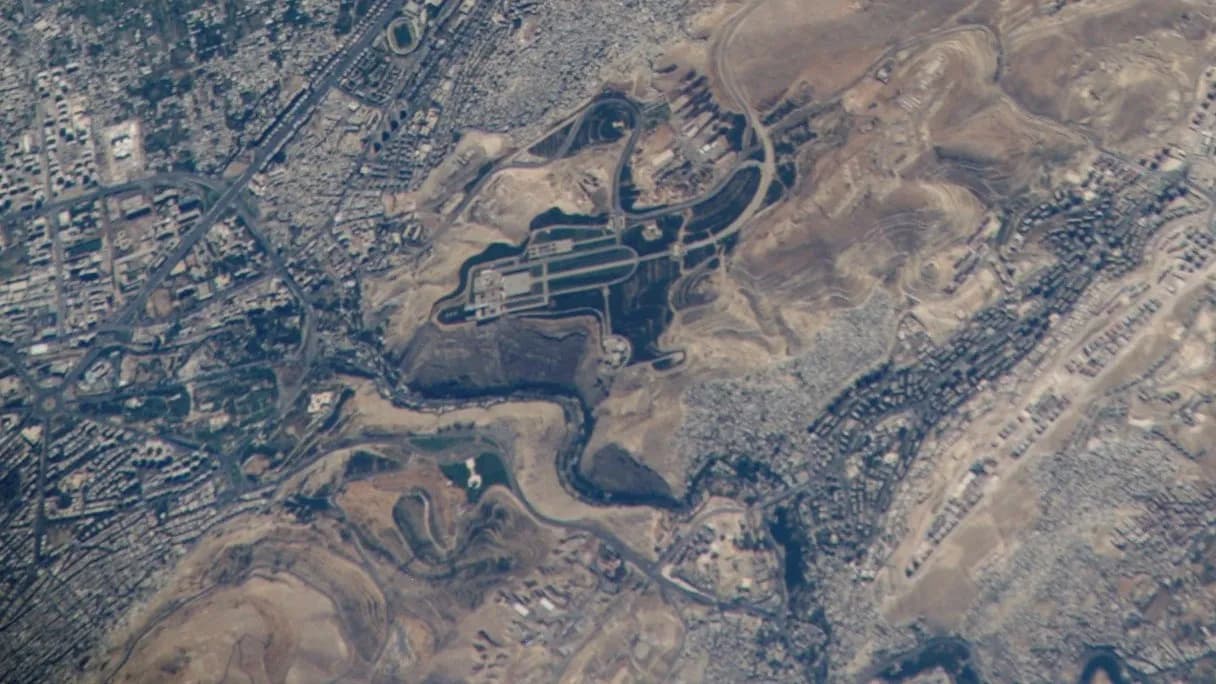
Iraq wants a way to sell its oil that does not depend on the Strait of Hormuz, and on Wednesday its prime minister went to Damascus to talk about one. Ali al-Zaidi met Syria's president, Ahmed al-Sharaa, in what Al Jazeera described as the first visit by an Iraqi prime minister to Syria since Bashar al-Assad was toppled.
According to Zaidi's office, the two leaders discussed sending up to 2 million barrels a day of Iraqi crude through a pipeline to Baniyas on Syria's Mediterranean coast, 964media reported. No agreement was announced, and there was no timetable, cost or financing.
What is the Baniyas pipeline plan?
The idea is to revive a link from Iraq's oil fields to the Syrian coast. In July, Damascus and Baghdad signed a memorandum of understanding to rehabilitate the pipeline from Haditha in western Iraq to Baniyas, with a consortium that includes the American company Chevron expected to carry out the work, according to Anadolu Agency. A memorandum states an intention to cooperate. It is not a construction contract.
Iraq has also approved studies for a second route, from Basra through Haditha and Kirkuk to Ceyhan in Turkey. Both are presented as alternatives to Hormuz.
The old Kirkuk to Baniyas line has been out of service since it was damaged in the 2003 invasion, and Iraq is not sending crude through Syria now. A ministry spokesman said there is no crude export to Syria or Jordan, only fuel oil.
Why does Iraq need a route around Hormuz?
Because the strait is its main outlet and has been disrupted since 28 February, when the war with Iran began. 964media reported that Iraqi exports fell from over 99 million barrels in February to 18.6 million in March. Two million barrels a day would be more than half of the 3.4 million barrels a day that the oil minister, Basim al-Abadi, put Iraq's exports at in October.
That arithmetic explains the urgency. It also shows how large the project is. A line that size would need repair, security and money, and it would run through country that has seen years of conflict.
What else did the two leaders discuss?
The talks, which involved expanded delegations, also covered trade, joint agricultural development for food security, and security and counter-terrorism coordination, Anadolu said. Sharaa told the Iraqi side the border is completely secure and that the two capitals already coordinate on several issues.
In an interview aired the day before the visit, Sharaa said that "Syria is considered Iraq's seafront on the Mediterranean." Zaidi framed the two peoples as close kin, and called for cooperation on regional stability.
Both men had met on the margins of the UN General Assembly in September, so Wednesday's talks built on an existing channel. The test will be whether the memorandum becomes a contract, with a funded timetable. Until it does, the Baniyas line remains an ambition on paper while tankers wait to see what Hormuz does next.
Published in The Outspoken Digest
Editorial desk
Outspoken Digest News DeskReports for The Outspoken Digest across Latest Trends, Sports, Nutrition, Crypto.
Newsletter
The Digest, in your inbox
One edition, sent when it is ready. No noise, and your address is never passed on.
Read Next
More Latest Trends →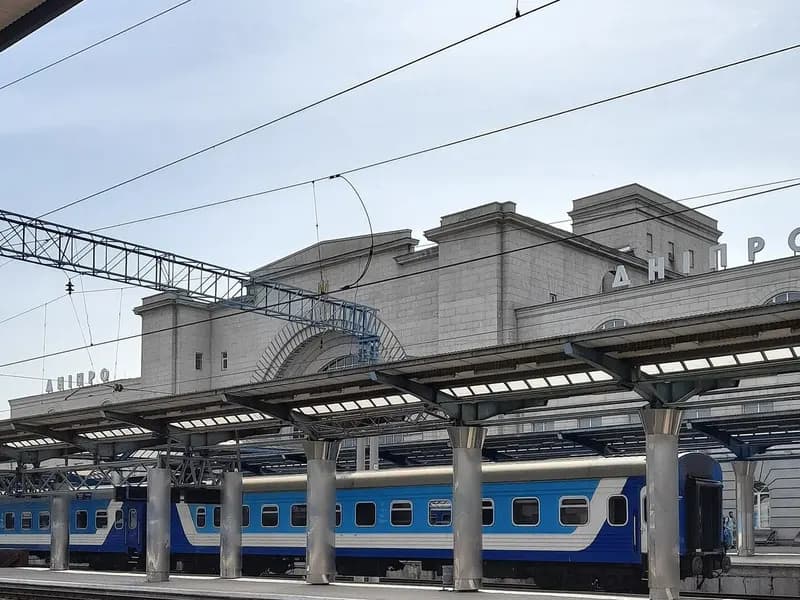
A Russian Jet Drone Kills 14 on a Dnipro Station Platform as Russia Reports 613 Drones Toward Moscow
Oct 29, 2026/2 min read
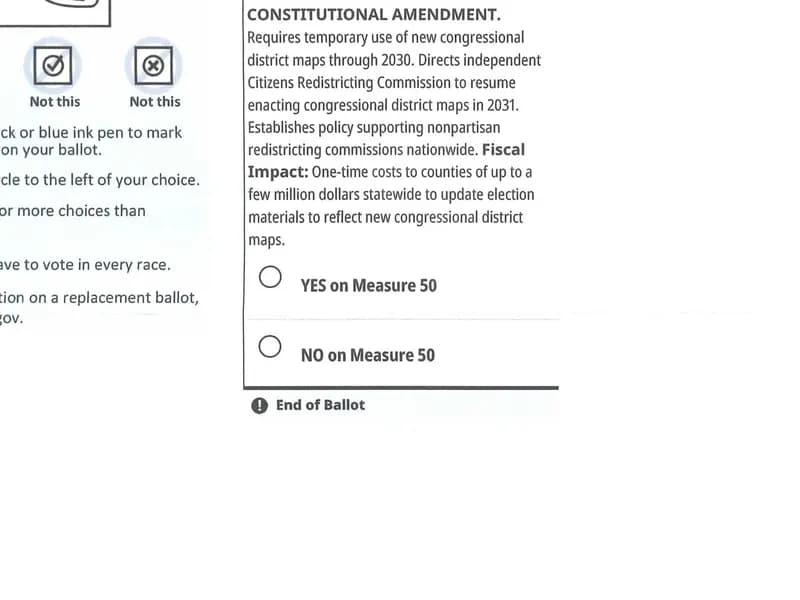
Judge Rejects Justice Department Bid to Set Aside 20,000 California Ballots Six Days Before the Midterms
Oct 29, 2026/2 min read
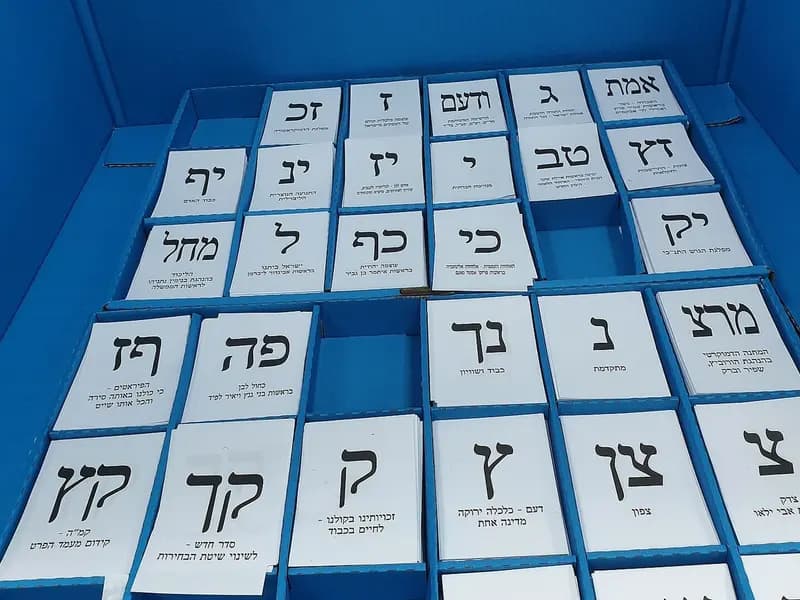
Israel's Count Nears 90 Percent With No Bloc at 61 as Likud Alleges Arab Parties Stole the Vote
Oct 29, 2026/2 min read
Human Rights Watch Says the Houthi Siege of Taizz May Amount to the War Crime of Starvation
Oct 29, 2026/2 min read