Israel's Final Count Leaves Netanyahu at 53 Seats as Ultra-Orthodox Weigh Backing Eisenkot
The Central Elections Committee has published the official tally: no bloc near 61, record Arab representation, and a Haredi party quietly asking whether its alliance with Netanyahu is over.
Friday, October 30, 2026/3 min read
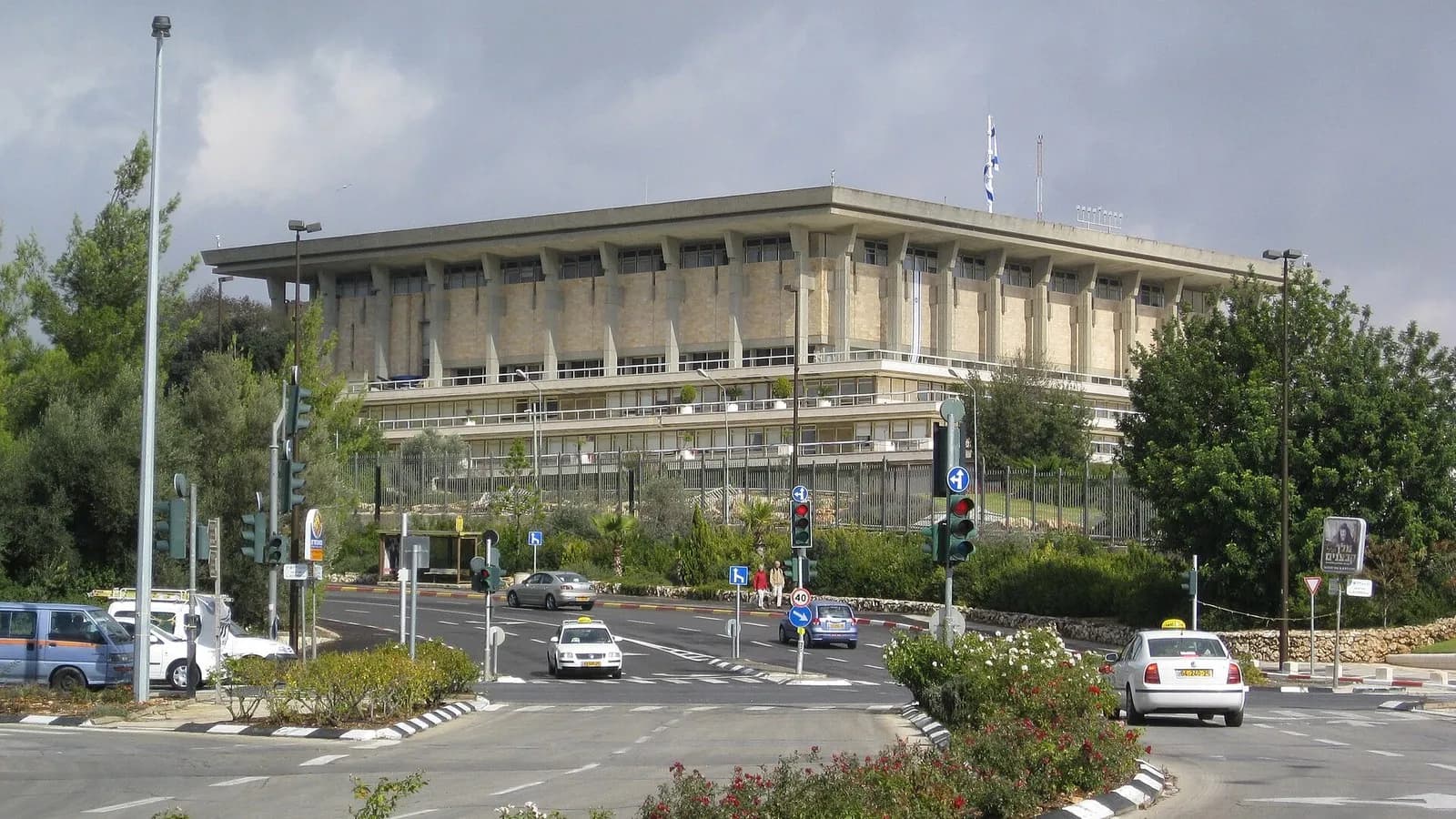
Israel now has an official result, and it settles nothing about who will govern. The Central Elections Committee has published the final tally from Tuesday's vote, and the Times of Israel reported that Benjamin Netanyahu's bloc holds 53 of the 120 Knesset seats, Gadi Eisenkot's opposition bloc 48, and the Arab parties 19, with no change to the party breakdown.
Our count at about 90 percent pointed this way, and the last ballots did not move it. What has changed since is the arithmetic of the talks that follow.
What are the final Israel election results?
Likud finished first with 27 seats, ahead of Eisenkot's Yashar on 21 and B'Yachad on 12. The Joint List took 11, the Democrats and Ra'am 8 each, and Yisrael Beytenu, United Torah Judaism and Otzma Yehudit 7 each. Shas and Religious Zionism won 6 apiece, according to the Times of Israel's breakdown.
Three parties fell short of the 3.25 percent threshold, including Yoaz Hendel's Reservists at 2.63 percent. Turnout was 77.9 percent, the highest in decades, with 5,716,665 votes cast. The parties now in Netanyahu's bloc held 68 seats in the outgoing Knesset, so the right has lost 15 seats, while the Arab parties' 19 are an all-time high, nearly double their current 10.
Did the fraud claims change anything?
No, according to the election authorities. The committee said its inquiry into alleged voter fraud will not affect the final results, and acting director Dean Livne called reports of widespread fraud entirely unfounded. Likud had said the vote was stolen by Arab parties, a claim Al Jazeera noted has been made without substantiation. The committee chair, Justice Noam Sohlberg, said he could not verify it and asked the Shin Bet to investigate.
Who can actually form a government?
Nobody has a majority in sight. Al Jazeera reported that Eisenkot met former prime minister Naftali Bennett on Thursday to discuss forming a government as quickly as possible. He has pledged not to ally with Palestinian-led parties, which Al Jazeera's Nour Odeh describes as an uphill battle because the opposition cannot reach 61 without them. Democrats leader Yair Golan is the only opposition figure backing such a coalition, and he met Ra'am's Mansour Abbas.
The more surprising movement is on the right. Channel 12 reported, as relayed by the Times of Israel, that figures in United Torah Judaism are considering supporting an Eisenkot-led minority government from outside by abstaining rather than voting against it. Without UTJ's seven seats, Netanyahu's bloc would drop to 46 against Eisenkot's 48. A party source was quoted as saying the alliance with Netanyahu had run its course, after years of frustration over the yeshiva draft exemption.
It is early and fragile. The contacts are said to be at junior levels, it is unclear whether Eisenkot has been told, and his own opposition to blanket military exemptions is the main obstacle. His party declined to comment.
What happens next?
The certified results go to President Isaac Herzog on Wednesday 4 November, after which he will meet each party leader to hear who they recommend. The Knesset is due to be sworn in on 10 November whatever happens in the talks, and the Times of Israel notes negotiations could run beyond two months. Herzog has urged leaders to come with open minds and avoid a repeat election. With 61 out of reach for both blocs, the next fortnight will turn on a few seats: the Haredim, and whether anyone can move the Arab parties from outside the tent to inside it.
Published in The Outspoken Digest
Editorial desk
Outspoken Digest News DeskReports for The Outspoken Digest across Latest Trends, Sports, Nutrition, Crypto.
Newsletter
The Digest, in your inbox
One edition, sent when it is ready. No noise, and your address is never passed on.
Read Next
More Latest Trends →
Italian Chinook Crashes in Bosnia, Killing Four on an EU Peacekeeping Training Flight
Oct 30, 2026/2 min read

A Russian Jet Drone Kills 14 on a Dnipro Station Platform as Russia Reports 613 Drones Toward Moscow
Oct 29, 2026/2 min read
Judge Rejects Justice Department Bid to Set Aside 20,000 California Ballots Six Days Before the Midterms
Oct 29, 2026/2 min read
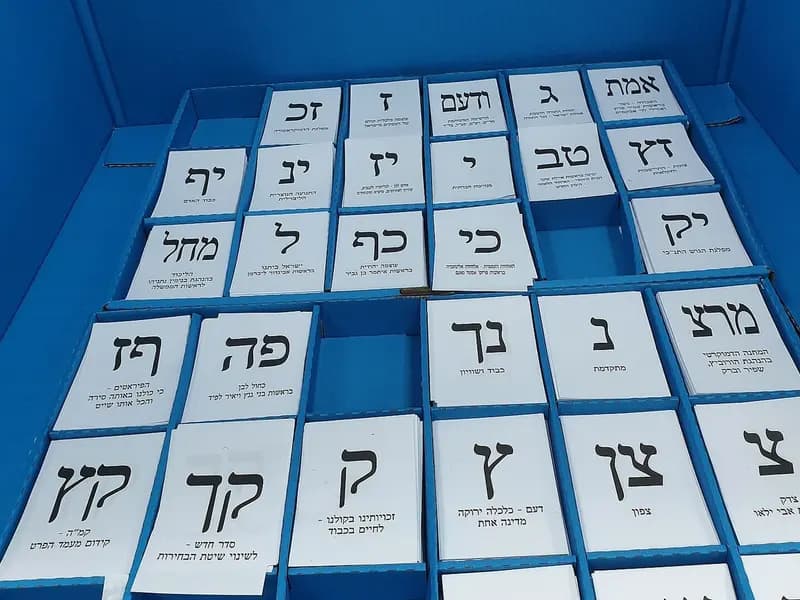
Israel's Count Nears 90 Percent With No Bloc at 61 as Likud Alleges Arab Parties Stole the Vote
Oct 29, 2026/2 min read