JPMorgan Publishes Its First Ten-Year Bitcoin Forecast: 10 Percent a Year, With a Bear Case of a 9.7 Percent Loss
The bank's asset-management arm puts bitcoin ahead of bonds, stocks and gold over a decade, yet calls it speculative and says volatility still keeps it out of most portfolios.
Wednesday, October 21, 2026/2 min read
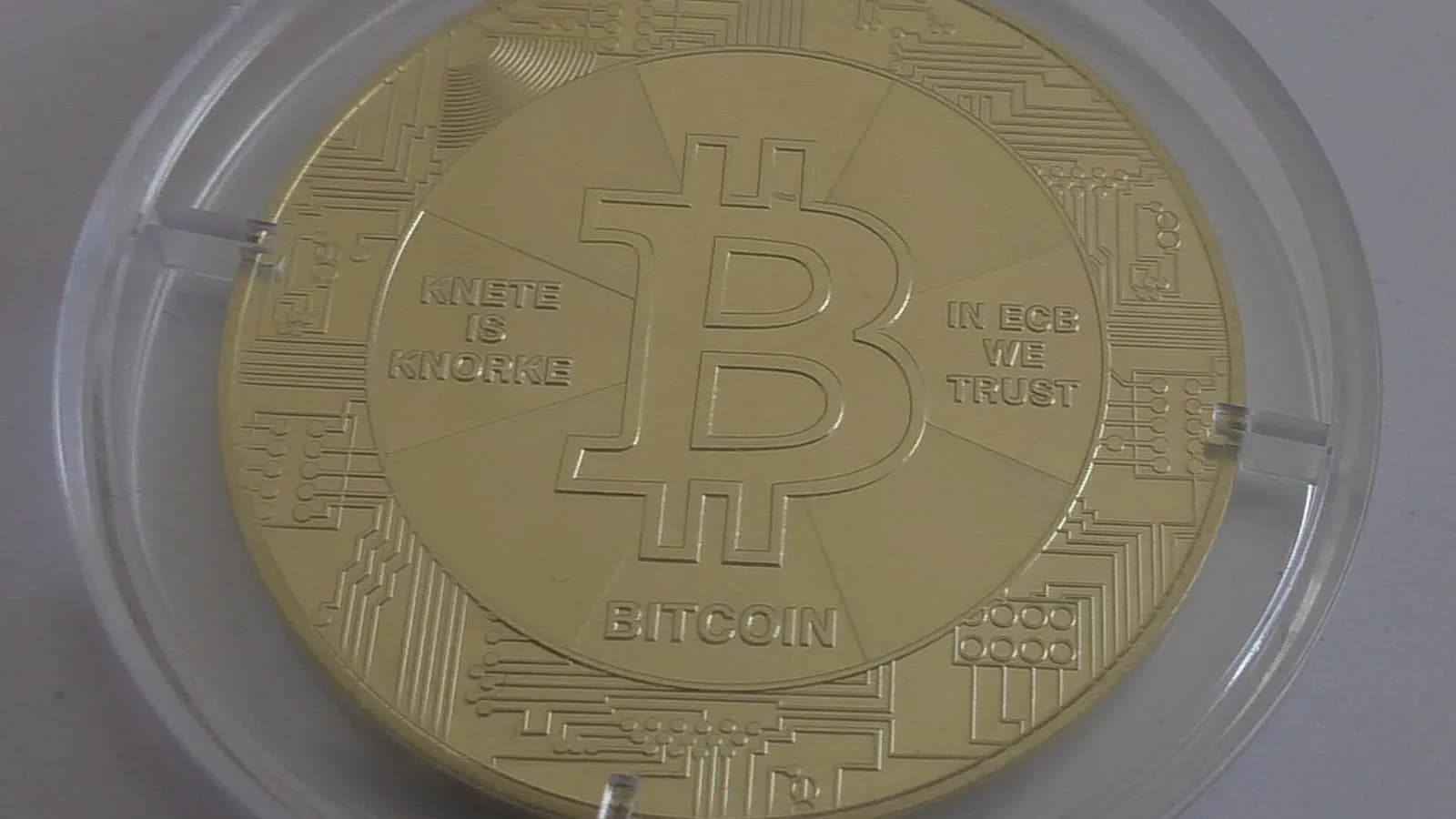
For the first time, JPMorgan has put a number on bitcoin's next ten years. In its 2027 Long-Term Capital Market Assumptions, published on Tuesday, JPMorgan Asset Management projects a base-case return of 10 percent a year, CoinDesk reported. The bull case is 17 percent a year, and the bear case is an annual loss of 9.7 percent.
It is the 31st edition of the report, and the first to carry a range of bitcoin returns. With bitcoin trading around $82,700 on the day, the forecast landed as a piece of institutional respectability, wrapped in caution.
How does JPMorgan's bitcoin forecast compare with stocks and gold?
On those assumptions bitcoin beats nearly everything on the menu. The report projects 7.5 percent a year for US large-cap equities, 7.7 percent for US small caps, 5.6 to 6.6 percent for US bonds and 5.5 percent for gold, according to CoinDesk's reading of the document.
The price of that edge is risk. The Block reported that the analysts estimate bitcoin's volatility at 55 percent, and that it is not yet part of the firm's main model of how assets move together. They built a smaller, separate covariance matrix instead.
Does JPMorgan recommend buying bitcoin?
No. The authors, Sheena Shah and Dennis Cristallo, still call bitcoin a speculative asset. They say its volatility and unstable correlations are an obstacle to wide inclusion in portfolios. They do not pitch it as a diversifier. They see it as a hedge against monetary easing that mostly trades as a high-beta risk asset tracking global money supply.
They add that the approach could change if volatility falls, correlations settle and regulation, liquidity and price discovery improve. CoinDesk noted the distance from 2017, when chief executive Jamie Dimon called bitcoin a "fraud".
How did the crypto industry react?
Pleased, with an asterisk. Bitwise chief investment officer Matt Hougan welcomed the forecast but argued that 55 percent is too high, pointing to bitcoin's declining volatility over 15 years. Strategy chairman Michael Saylor said "Wall Street is doing the math."
The timing helped. The Block noted that BlackRock's IBIT drew $665 million on Monday, its biggest single-day inflow since October 2025, and that JPMorgan has estimated about $50 billion flowed into digital assets this year.
What it means for investors
A forecast is not a price target, and a 10 percent base case with a 9.7 percent bear case is a wide funnel. The practical effect is on allocators: a number from a bank that size gives investment committees something to cite. Whether it moves money will depend on whether the volatility estimate proves too high, as Hougan argues, or too low.
Published in The Outspoken Digest
Newsletter
The Digest, in your inbox
One edition, sent when it is ready. No noise, and your address is never passed on.
Read Next
More Crypto →
Nine Crypto Firms Form a Quantum Alliance Because About 6 Million Bitcoin Sit Exposed to a Future Attack
Oct 18, 2026/2 min read

Bitcoin Slips Toward $80,000 After Hot US Inflation and an Asian Tech Rout, With Long Positions Hit Hardest
Oct 15, 2026/2 min read

Bitcoin ETFs Lose $681 Million in a Week, the Worst Since June, as Traders Watch Wednesday's CPI Report
Oct 13, 2026/2 min read
ESMA Tells Licensed Crypto Firms to Stop Serving Non-MiCA Stablecoins and Gives Them Three Months to Unwind
Oct 9, 2026/2 min read