Latvia's Prime Minister Kulbergs Won Saturday's Election With About 35 Percent as a Pro-Russian Party Came Third
The centrist, pro-Ukraine United List topped the poll with most ballots counted, well ahead of the populist Latvia First, though it will need partners to govern.
Sunday, October 4, 2026/2 min read
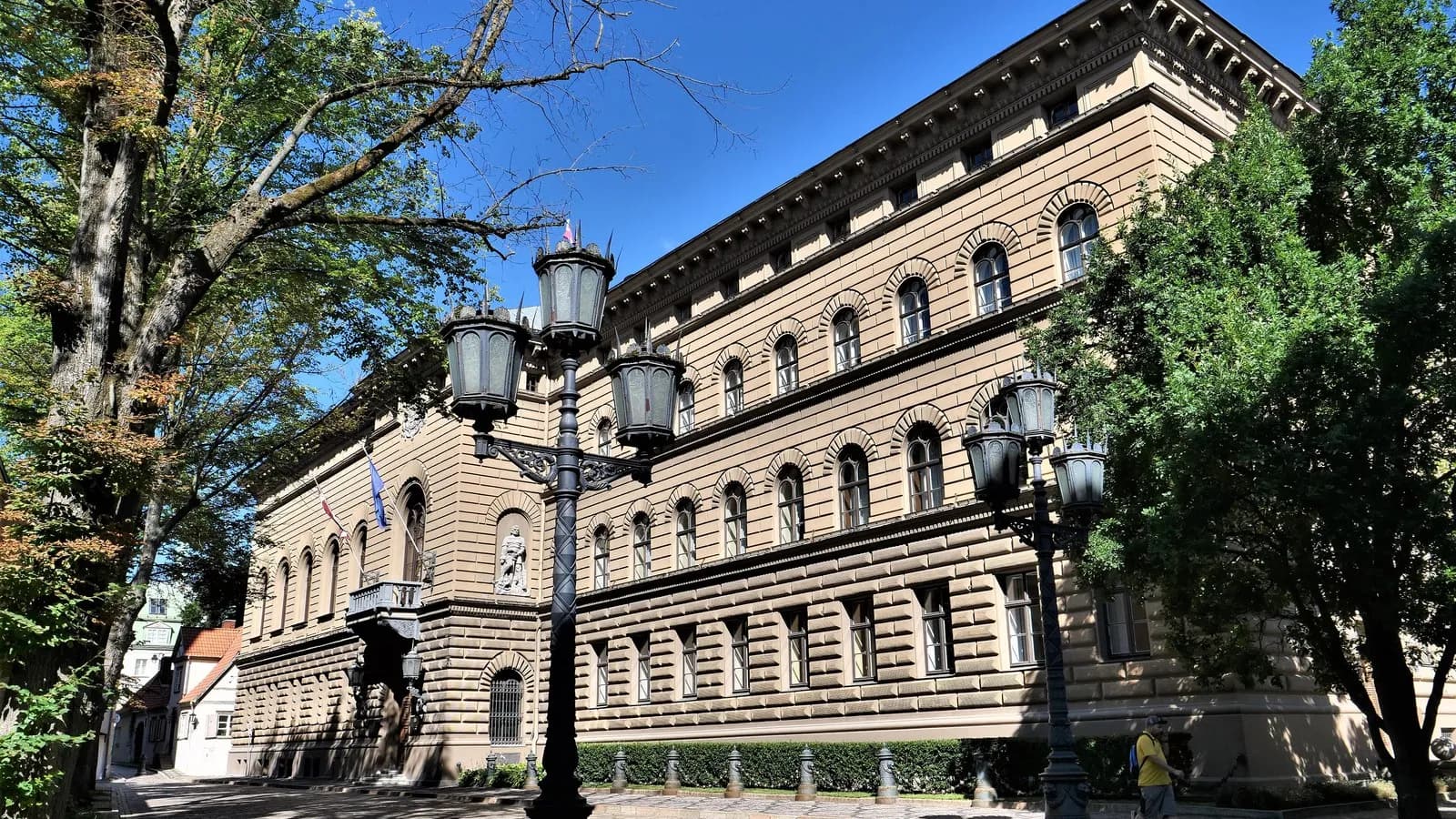
Latvia's prime minister, Andris Kulbergs, has won a clear victory in Saturday's parliamentary election. With about 97 percent of ballots counted, Al Jazeera reports that his centrist, pro-Ukraine United List took 35.3 percent of the vote, well ahead of the populist Latvia First on 13.1 percent. Turnout was 51.8 percent, or about 800,000 voters.
The numbers
Al Jazeera puts Sovereign Power, a pro-Russian party, third on 11.7 percent and the hardline National Alliance fourth on 8.9 percent. In the 100-seat Saeima the United List is projected to hold roughly 41 to 42 seats, depending on the count. Earlier in the count, Kyiv Post had the United List slightly higher, at 36.6 percent with 88 percent counted, which shows how the figures settled as the last ballots came in. It was the country's 11th parliamentary election since independence from the Soviet Union.
Even at its strongest, the party falls short of an absolute majority, so coalition talks come next.
What Kulbergs said
At party headquarters in Riga, Kulbergs reacted to the exit polls. "It's remarkably good. I was not expecting such a result," he said, according to Kyiv Post. He has promised to maintain defence spending at 5 percent of GDP, one of the highest levels in NATO, and to continue military aid to Ukraine, and he opposed forming a coalition with Latvia First.
Kulbergs came to power in May after the previous coalition collapsed over the handling of stray Ukrainian military drones.
The issues behind the vote
Security dominated the campaign. Latvia, a NATO and EU member since 2004, borders Russia and Belarus, and has raised defence spending sharply. The parties disagreed over aid to Ukraine, with Sovereign Power, led by Julia Stepanenko, advocating a halt to it and a focus on domestic affairs. Al Jazeera reports that anti-drone capability and the cost of living were also major themes, particularly among the Russian-speaking minority.
Latvia has 1.9 million people, and a substantial ethnic Russian minority. That is why the cost of living and language issues carried so much weight with voters who are less interested in the security debate.
What happens now
The government-building process will be the real test. The United List will have to bargain with other parties, and the result gives Kulbergs a clear mandate for the course he has charted: a firm line on Russia, high defence spending and continued support for Kyiv.
Published in The Outspoken Digest
Editorial desk
Outspoken Digest News DeskReports for The Outspoken Digest across Latest Trends, Sports, Nutrition, Crypto.
Newsletter
The Digest, in your inbox
One edition, sent when it is ready. No noise, and your address is never passed on.
Read Next
More Latest Trends →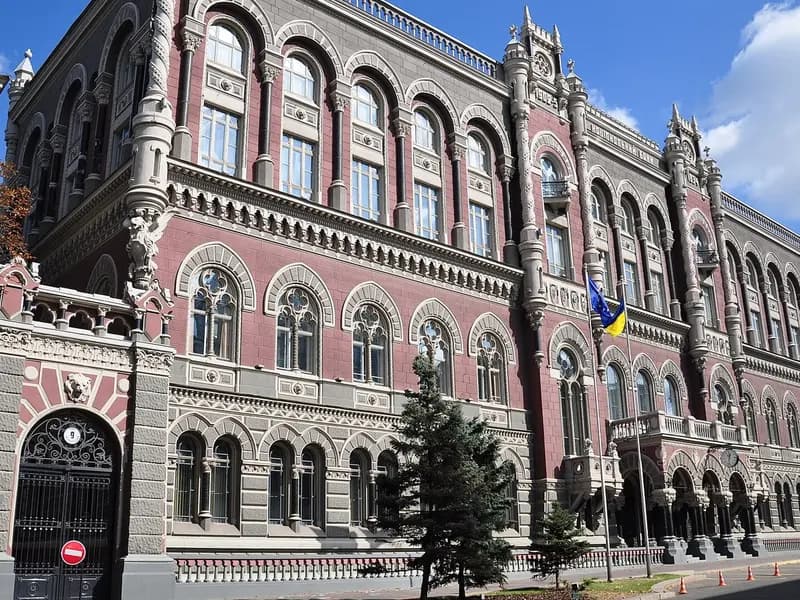
Ukraine's Anti-Corruption Bureau Searches the National Bank, and Governor Pyshnyi Says He Is Staying
Oct 22, 2026/2 min read
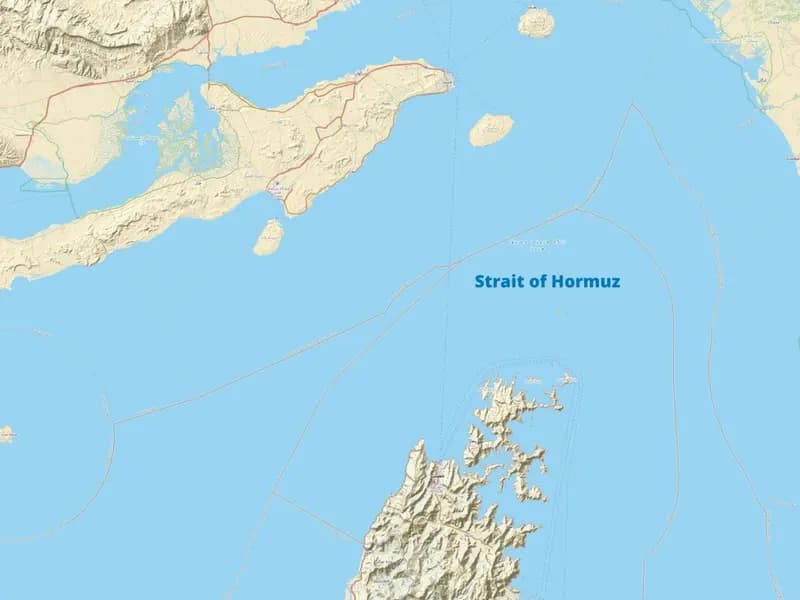
Iran Says Hormuz Stays Shut Until Washington Accepts Its Seven-Day Plan, and Explosions Are Reported on Its Coast
Oct 22, 2026/2 min read
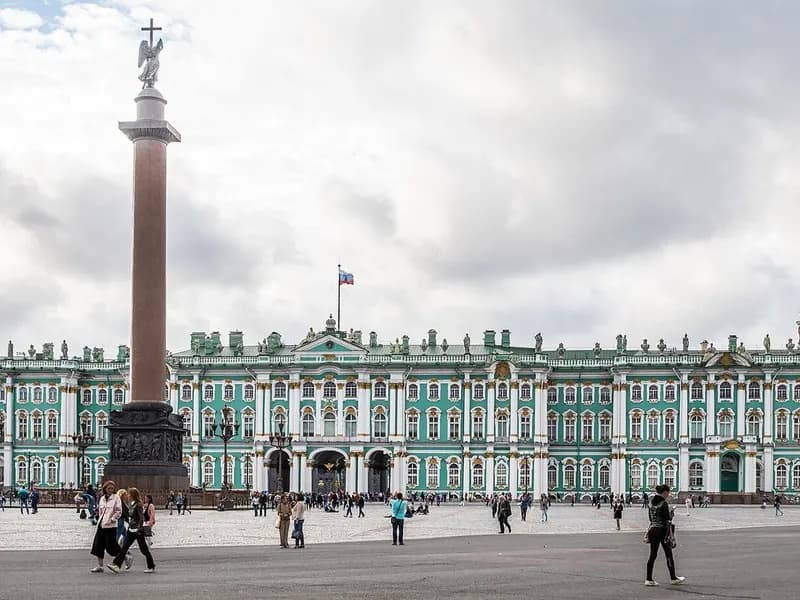
Putin Tells Witkoff He Will Negotiate in Principle as Russia Frees American Stephen Hubbard
Oct 22, 2026/2 min read

Two Killed at a Saudi Oil Field and One at Dammam Airport as the US Orders Embassy Staff Out of Saudi Arabia
Oct 22, 2026/2 min read