LNG Volatility Is Turning Flexible Power Into a Competitive Advantage
The temporary loss of major Gulf LNG volumes sent gas prices sharply higher. Power systems able to switch fuels, store energy and shift demand handled the shock better.
Sunday, August 2, 2026/2 min read
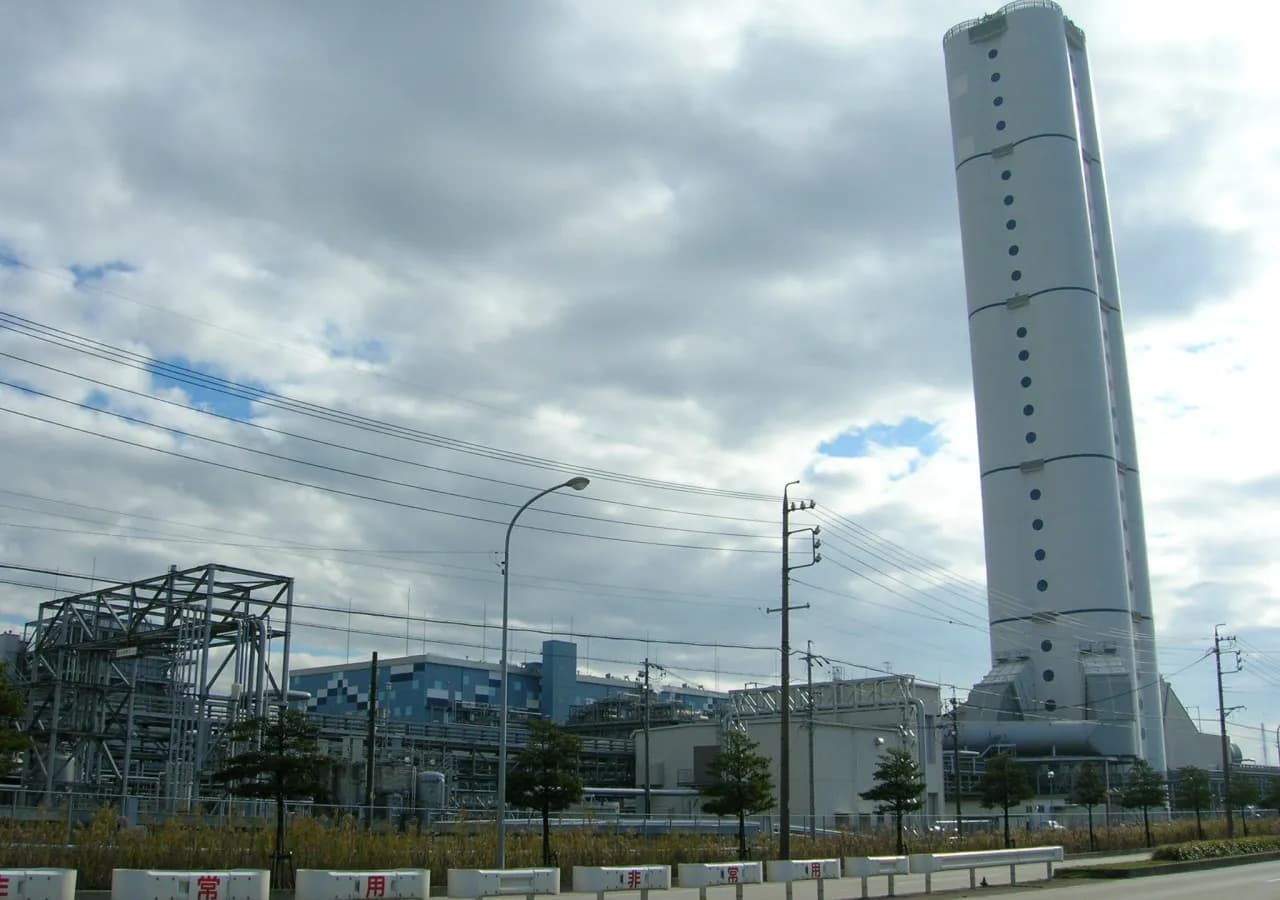
Energy security is often described as owning more supply. The 2026 gas shock shows why the ability to adapt can be just as valuable. When Gulf LNG shipments were disrupted, import-dependent power markets faced a sudden rise in fuel costs. Systems with alternative generation, storage and demand flexibility had more ways to respond than those built around one cheap source.
What the latest evidence says
The IEA estimates that the temporary loss amounted to nearly 20 percent of global LNG supply and pushed Asian and European gas prices to their highest levels since the 2022-2023 crisis. New liquefaction projects and additional output from other exporters softened the shortage, while some countries switched toward coal and renewables helped limit the damage.
IEA Electricity Mid-Year Update executive summary provides the primary data and institutional assessment behind this report.
EIA Short-Term Energy Outlook adds the second official reference used to compare the outlook and its risks.
Why this matters now
The commercial lesson is that flexibility has a measurable option value. A power producer capable of changing fuel, a factory able to shift a process by several hours and a utility with storage can avoid buying the most expensive marginal energy. That capability may look underused in quiet years, but it becomes decisive when shipping or geopolitics disrupts a concentrated supply route.
What to expect in the upcoming period
Gas prices should ease if shipping normalizes and new export capacity continues arriving. Even then, buyers are unlikely to forget the episode. Expect greater interest in diversified contracts, floating storage, renewable generation and demand-response programs. The strongest business case will combine lower average costs with protection against rare but severe price spikes.
The risk inside the forecast
Fuel switching is not automatically clean or cheap. A rushed move back to coal increases emissions, while excess LNG contracting can leave buyers paying for capacity they no longer need. Infrastructure decisions also last far longer than the crisis that inspired them. Resilience planning must compare the full cost of alternatives rather than simply reacting to the last shortage.
What readers should watch next
For the next investment cycle, the key question is not which fuel wins forever. It is which system preserves choices. Markets will reward grids and large users that can adjust without shutting down. In a world of volatile shipping and faster electricity demand, flexibility is moving from an engineering preference to a balance-sheet asset.
Published in The Outspoken Digest
Newsletter
The Digest, in your inbox
One edition, sent when it is ready. No noise, and your address is never passed on.
Read Next
More Business →
Tesla Beats Profit Estimates on $28.05 Billion in Revenue, Then Slips After Hours
Oct 22, 2026/2 min read

Nasdaq Jumps 1.05% as SpaceX and Super Micro Revive the AI Trade While Netflix and AT&T Slide
Oct 22, 2026/2 min read

Jio Platforms Raises Rs 8,110 Crore From Anchors at the Top of Its Range as India's Biggest IPO Opens
Oct 21, 2026/2 min read
Netflix Beats on Profit, Then Slides After Hours as It Trims Its Ad Forecast and Guides Lower
Oct 21, 2026/2 min read