The Louvre Turns the Camera on Itself: Louvre Photo Opens Wednesday With 300 Images of the Museum
From the 1820s to the smartphone era, a new show on the Mezzanine Napoleon gathers photographs taken in, of and about the Louvre, including its wars, its workers and its storerooms.
Tuesday, November 3, 2026/2 min read
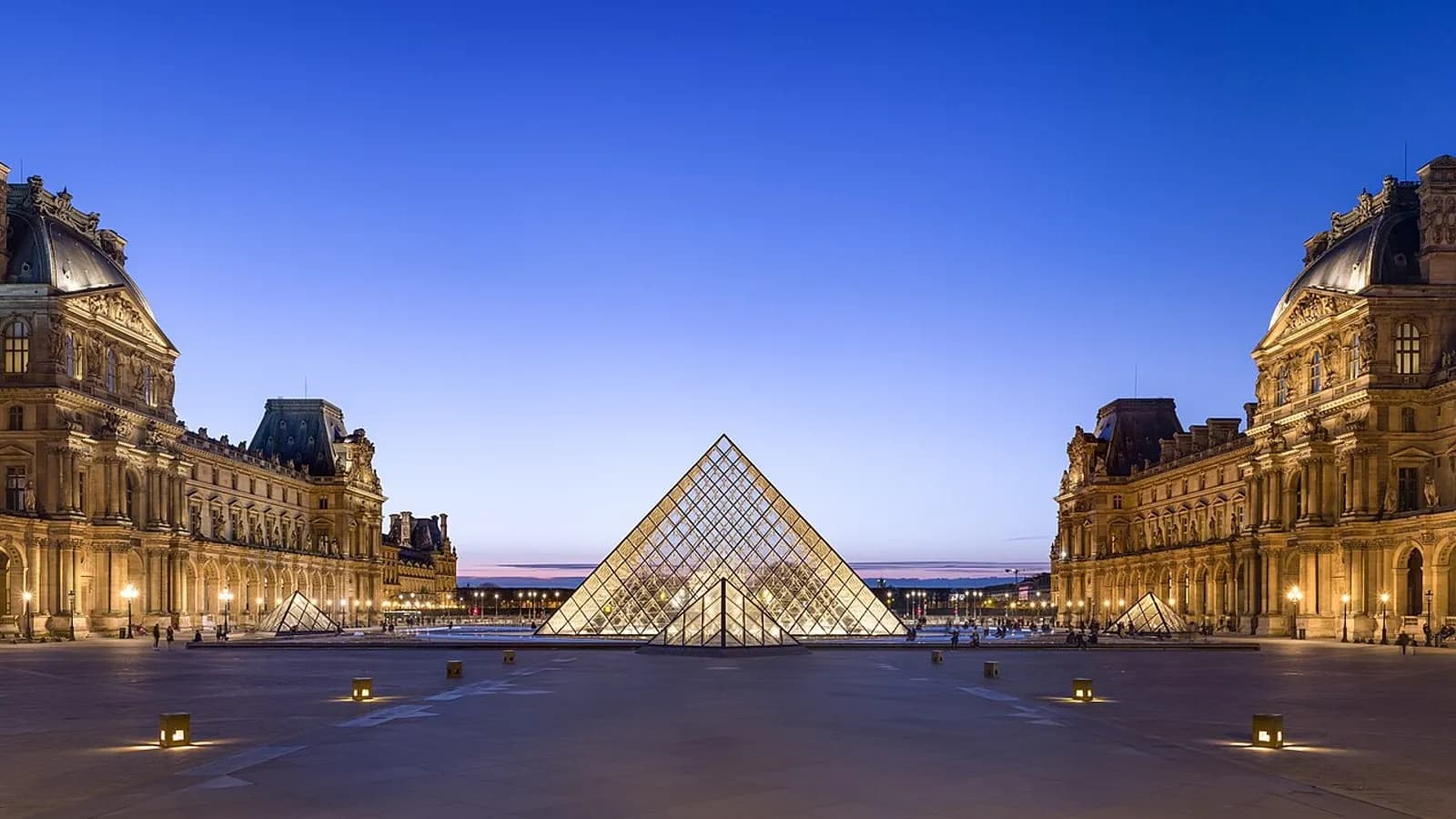
The Louvre opened a few decades before photography was invented, and photographers have been pointing lenses at it ever since. On Wednesday 4 November the museum opens Louvre Photo, an exhibition of more than 300 photographs in which the palace is model, subject, inspiration and, in the curators' words, a starting point for reinvention, the museum says. It runs on the Mezzanine Napoleon until 3 May 2027.
The show is curated by Quentin Bajac, director of the Jeu de Paume, with Dominique de Font-Reaulx, senior curator and adviser to the Louvre's president-director, and it carries the official label of France's Photography Bicentenary, a national programme running from 1 September 2026 to 30 September 2027.
What is in the Louvre Photo exhibition?
The rule is strict: everything was taken within the palace walls and the gates of the Tuileries Garden. Inside that boundary the range is wide. There are artworks and galleries, but also visitors, guards, conservators, storerooms, construction sites and the corners the public never sees. Sortiraparis names Charles Marville, Pierre Jahan and Robert Polidori among the photographers, and notes that the images run from the 1820s to the present, from the daguerreotype to the smartphone.
History arrives through the building. The Paris Commune, the two world wars, the postwar boom, the Second Empire's conversion of palace into museum and the Grand Louvre works of the 1980s that produced the pyramid all appear as they were seen from the Louvre's own courtyards and galleries. The museum promises a dose of humour and subversion alongside the documentary record.
How to visit and what it costs
Louvre Photo is included in the standard museum ticket, so there is no separate charge. Sortiraparis lists admission at 22 euros for residents and nationals of the European Economic Area and 32 euros for other visitors, with free entry for under-18s and for 18 to 25 year old EEA residents. Tickets are sold online at ticket.louvre.fr, and the museum suggests allowing about an hour and a quarter for the exhibition, which is presented in French and English. Exhibition design is by Juan-Felipe Alarcon.
There is a participatory strand too. The museum has run a public call on Instagram under the hashtag LouvrePhoto, with a Louvre Photo Competition page on its site, and some submitted images may be shown.
Paris photography shows this November
The bicentenary has turned Paris into a photography city this season. The Musee d'Orsay opens its Gustave Le Gray exhibition on 10 November, and the Musee du quai Branly follows the same day with Romeo Mivekannin's reworking of the museum's own ethnographic photographs. Louvre Photo is the largest of the three and the only one about the institution itself.
For the most visited museum in the world, an exhibition about how it has been looked at for two centuries is a pointed choice. From Wednesday, visitors can decide whether the Louvre photographs as well as it is photographed.
Published in The Outspoken Digest
Editorial desk
Outspoken Digest Culture DeskReports for The Outspoken Digest across Lifestyle, Design, Fashion, Latest Trends.
Newsletter
The Digest, in your inbox
One edition, sent when it is ready. No noise, and your address is never passed on.
Read Next
More Lifestyle →
Afshar, Kang, Kurmaz and Vitale Make the Deutsche Börse Photography Prize 2027 Shortlist
Oct 30, 2026/2 min read

Giftze Lets You Send a Gift Anywhere in the UAE Without Ever Asking for an Address
Oct 30, 2026/4 min read
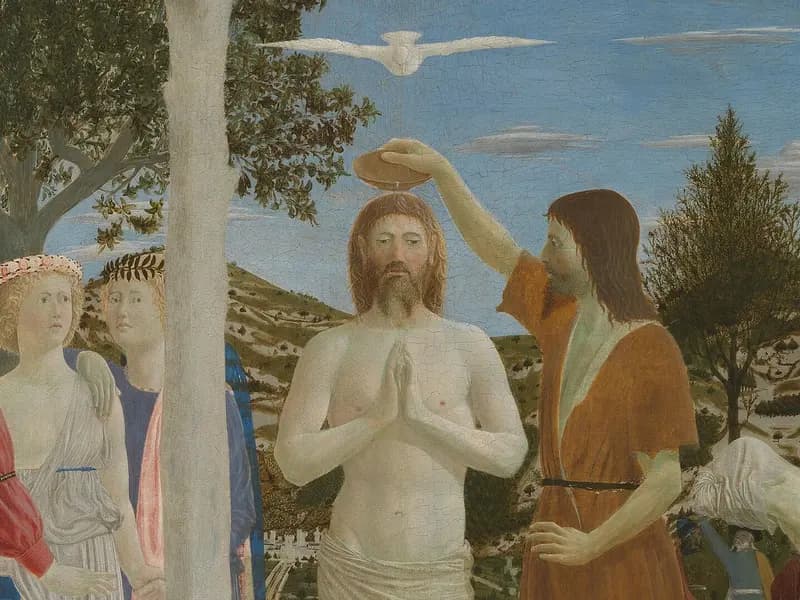
London's National Gallery Plans the Largest Piero della Francesca Show Yet, Opening in October 2027
Oct 29, 2026/2 min read

Houdini's Library at the Harry Ransom Center Marks 100 Years Since the Escape Artist's Death
Oct 28, 2026/2 min read