Manta Rays and Whale Sharks: The Encounters and the Etiquette
The Indian Ocean hosts some of diving's biggest animal encounters. The rules for approaching them properly matter more than most divers realise.
Friday, September 12, 2025/4 min read
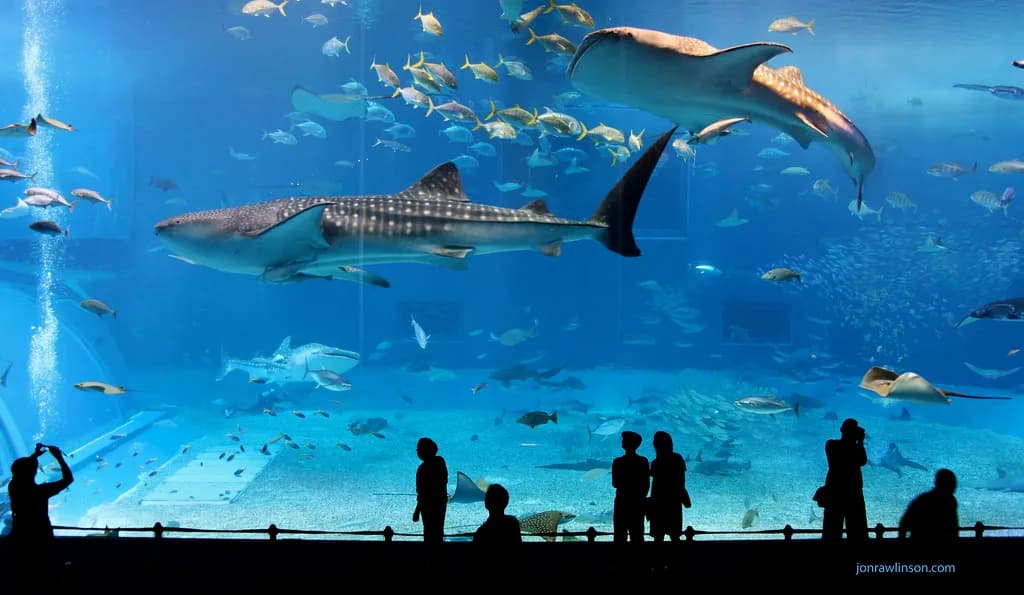
Nothing in recreational diving quite prepares a diver for the first time a manta ray banks directly overhead, wingspan easily wider than an outstretched pair of arms, moving with a slow, unhurried confidence that makes the water feel briefly like it belongs to something else entirely. Whale sharks produce a similar effect through sheer scale rather than grace: a spotted shape the length of a bus, sliding past without apparent effort.
Both encounters are genuinely available to ordinary certified divers and snorkellers in specific parts of the Indian Ocean, at specific times of year. Both also come with a code of conduct that exists because these animals, however large, are more vulnerable to human behaviour in the water than most divers assume.
Where the encounters concentrate
The Maldives remains the most reliable Indian Ocean destination for both species, though for different reasons and in different places. Manta ray aggregations peak at Hanifaru Bay in Baa Atoll, a UNESCO biosphere reserve site where monsoon currents concentrate plankton and, on strong days, draw more than a hundred mantas into a single feeding event, according to IM Maldives's diving guide. Whale sharks, meanwhile, hold a resident population around South Ari Atoll year round, making that specific stretch of water one of the more dependable whale shark locations anywhere in the world, not just the region.
The whale shark code of conduct
Whale shark guidelines are now fairly standardised across the region's regulated encounter sites. According to Dive Volk Diving's summary of best practice, divers and snorkellers should maintain a minimum distance, commonly cited as around three metres from the body and four metres from the tail, never touch the animal, never obstruct its path of travel, and avoid approaching directly from the front where the shark's ability to see and react is limited. Boats are generally expected to keep a wider berth again, and flash photography is discouraged as standard practice.
One detail that surprises newcomers: some operators now specifically ask visitors to avoid oil-based sunscreen before entering the water, since residue floating on the surface can interfere with a filter-feeding shark's ability to feed normally. Reef-safe, mineral-based sunscreen is the accepted substitute at most regulated sites.
The manta ray code of conduct
Manta etiquette follows similar logic but with its own specifics, developed in large part through the Manta Trust's research programme in the Maldives. According to guidance summarised by Swim With Mantas, divers should approach slowly and from the side, allowing the animal to see them and maintain a clear path of travel rather than feeling cornered, and should never chase, interrupt a manta's swimming path, or attempt to block or trap it against a reef structure. Cleaning stations, where mantas gather to have parasites removed by smaller reef fish, are treated as particularly sensitive zones that swimmers should never swim directly over.
Equipment matters here too. Sharp gear, snorkels worn incorrectly, jewellery, and the same sunscreen concerns that apply to whale sharks all carry the same basic logic: minimise anything that could irritate the animal's skin or interfere with its normal behaviour. Entry technique also gets specific attention, since Original Diving notes that excessive splashing on entry is enough to scare a manta off entirely, meaning a slow, controlled entry with fins kept below the surface tends to produce a longer, calmer encounter for everyone in the water.
Why the rules exist beyond politeness
These are not arbitrary etiquette points designed to make tourism feel more responsible. Both species are slow to reproduce, site-faithful in ways that make them easy to repeatedly disturb, and increasingly studied precisely because tourism revenue now depends on their continued presence at these same locations year after year. A best-practice code of conduct developed specifically for the Maldives, referenced by the WWF's responsible shark and ray tourism guide, exists precisely because badly managed encounter tourism has measurably altered animal behaviour at popular sites elsewhere in the world.
Snorkelling versus scuba for these encounters
A detail that surprises some divers planning these trips: many of the best manta and whale shark encounters, including Hanifaru Bay specifically, are snorkel-only rather than scuba sites, largely because bubbles and tank noise can alter animal behaviour in shallow, confined feeding areas. This means the two headline Indian Ocean encounters do not always require a dive certification at all, which broadens who can realistically plan a trip around them, though it also means divers hoping to combine deep reef diving with these specific encounters need to check exactly which access method a given site actually permits before booking.
What a good encounter actually feels like
Divers who have done both well and badly consistently describe the same thing: the best encounters happen when everyone in the water moves slowly, keeps distance, and lets the animal set the terms of the interaction. Chasing produces shorter, worse encounters almost every time, quite apart from the ethical case against it.
Before a manta or whale shark encounter
- Book through an operator that enforces a written code of conduct and briefs it before every encounter, not just the first one.
- Use reef-safe, mineral sunscreen or none at all before entering water with these species.
- Enter the water calmly and let guides position the group, rather than swimming ahead independently.
Marine park rules and protected status at sites like Hanifaru Bay change and are actively enforced by local rangers, so divers and snorkellers should confirm current guidance directly with a licensed operator before any trip built around these encounters.
Done properly, time spent near a manta ray or a whale shark remains one of the genuine, unscripted highlights recreational diving can still offer, precisely because the animal chooses to stay rather than being made to, which is, in the end, the entire point of doing it properly.
Published in The Outspoken Digest
Editorial desk
Outspoken Digest Diving DeskCovers freediving, recreational and technical diving, dive medicine and the incidents the sport learns from.
Newsletter
The Digest, in your inbox
One edition, sent when it is ready. No noise, and your address is never passed on.
Read Next
More Diving →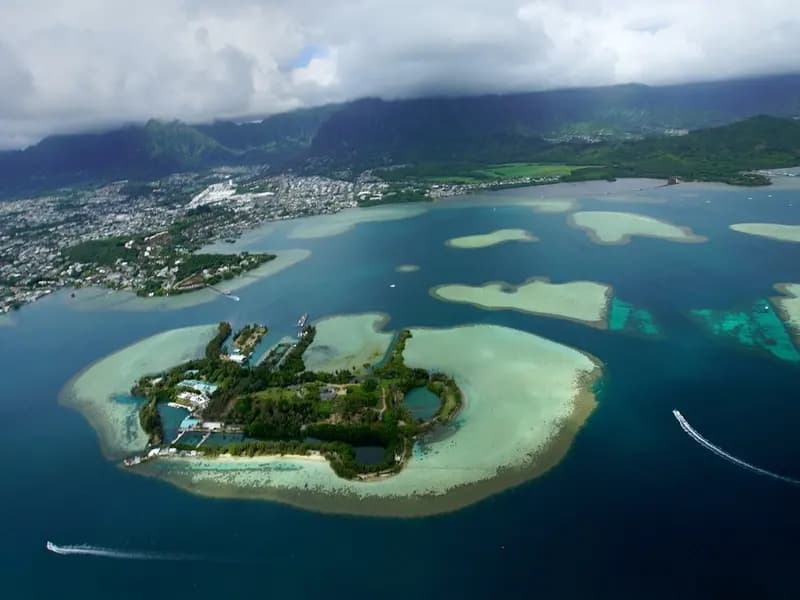
Playing Recordings of a Healthy Reef Drew More Coral and Fish Larvae to Artificial Structures Off Hawaii
Oct 9, 2026/3 min read
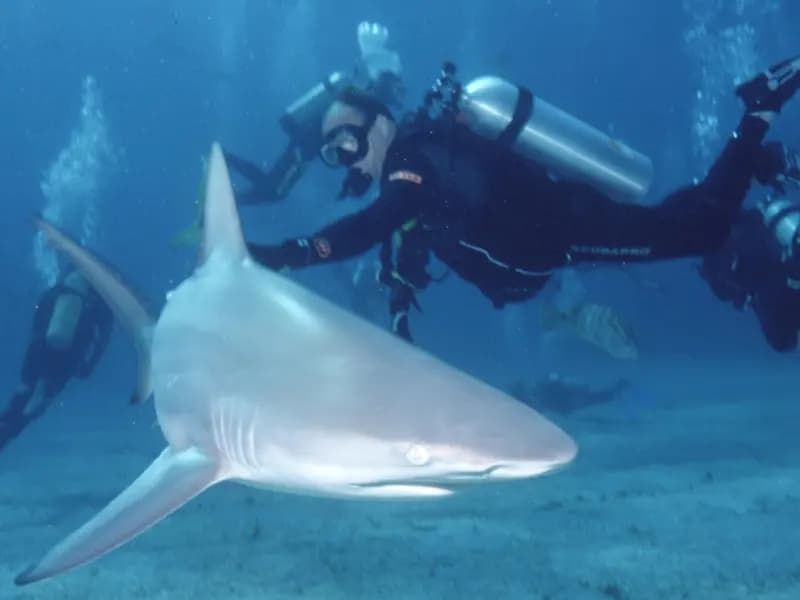
Blacktip Sharks Can Hear a Sound From Nearly 250 Feet Away and Swim Straight Toward or Away From It
Oct 1, 2026/2 min read
A Sea Turtle Species Never Recorded Nesting in the United States Laid Eggs on a Southern California Beach
Oct 1, 2026/2 min read
Marine Surveyors Confirmed Living Coral Off Benin, More Than Sixty Years After the Reef Was Presumed Dead
Sep 29, 2026/2 min read