Maqluba: The Palestinian Rice Dish You Serve by Flipping a Pot
Layered chicken, fried aubergine and spiced rice cooked in one pot, then turned out whole onto a platter. The name means upside down, and the flip is the entire performance.
Thursday, July 30, 2026/4 min read
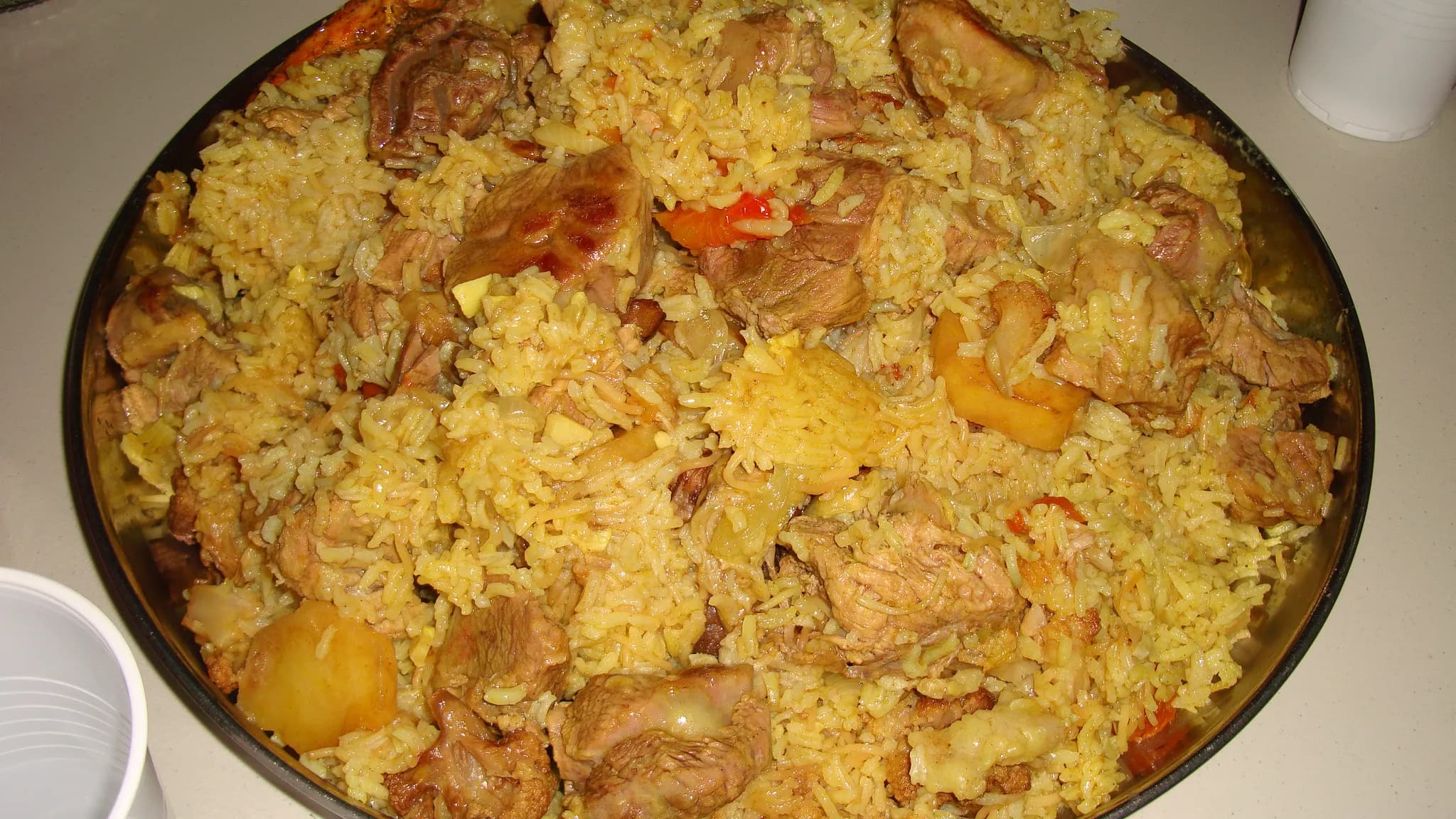
Most dishes do not have a moment. Maqluba is built entirely around one.
You cook everything in a single pot, layered in a specific order, then you put a platter over the top, take a breath, and turn the whole thing over. If you have done it right the pot lifts away and leaves a standing cylinder of rice with a lid of glossy aubergine. If you have done it wrong you have a delicious landslide, and everyone eats it anyway.
The name means "upside down" in Arabic. It is a Palestinian dish with written records dating back to the medieval period, eaten across the Levant with regional variations in Lebanon, Syria, Jordan, Yemen and Egypt. Palestinian home versions differ mainly in whether aubergine or cauliflower leads. It is a dish for a table with people around it, which is why it is almost never made in small quantities.
Ingredients
Serves 6. About 1 hour 45 minutes, including a 30 minute rice soak and a compulsory 10 minute rest before the flip.
- 1 kg bone-in chicken thighs and drumsticks, skin removed
- 500 g basmati rice
- 2 large aubergines, about 700 g, sliced into 1 cm rounds
- 1 medium cauliflower, about 600 g, broken into medium florets
- 2 medium potatoes, peeled and cut into 1 cm rounds (optional but traditional)
- 2 tomatoes, sliced
- 1 large onion, quartered
- 4 tbsp olive oil, plus sunflower oil for frying
- 2 bay leaves, 4 cardamom pods, 1 cinnamon stick
- 2 tsp ground allspice
- 1 tsp ground turmeric
- 1 tsp ground black pepper
- 1/2 tsp ground cinnamon
- 1/2 tsp ground cumin
- Salt
- 50 g pine nuts or flaked almonds, toasted, to finish
- Chopped parsley, to finish
- Plain yoghurt or a cucumber and yoghurt salad, to serve
Method
- Rinse the rice in several changes of cold water until the water runs nearly clear, then cover with warm water and leave to soak for 30 minutes. Drain well before using.
- Salt the aubergine slices on both sides and leave them in a colander for 20 minutes. Pat them thoroughly dry. This step matters, because wet aubergine absorbs frying oil like a sponge.
- Put the chicken in a pot with the quartered onion, bay leaves, cardamom pods, cinnamon stick, 1 tsp salt and enough water to cover by 3 cm. Bring to a boil, skim the foam, then simmer for 25 minutes. Lift out the chicken and strain the broth, keeping 900 ml. This broth is the cooking liquid for the rice, so do not throw it away.
- Fry the vegetables. Heat 2 cm of sunflower oil in a frying pan over a medium-high heat and fry the aubergine in batches until deep golden on both sides, about 3 minutes per side. Drain on kitchen paper. Repeat with the cauliflower and the potatoes. Frying, rather than roasting, is what gives maqluba its texture and its structural integrity.
- Mix the allspice, turmeric, pepper, ground cinnamon, cumin and 1 1/2 tsp salt. Toss the drained rice with two thirds of this mixture, and rub the rest over the cooked chicken.
- Now build, in a heavy pot roughly 24 cm wide. Pour in the 4 tbsp olive oil. Lay the tomato slices flat across the base: they will be the top of the finished dish and they stop everything sticking. Over them, arrange the aubergine slices in an overlapping layer, covering the base and coming up the sides a little.
- Add the chicken in a single layer, then the cauliflower and potatoes, packing them into the gaps.
- Spoon the spiced rice on top and level it gently with the back of a spoon. Do not press it down hard.
- Pour the reserved 900 ml broth carefully down the side of the pot, not over the top, so the rice is not disturbed. The liquid should sit about 1 cm above the rice. Bring to a boil, then reduce to the lowest heat, cover tightly and cook for 35 to 40 minutes, until the rice is tender and the liquid absorbed.
- Take the pot off the heat and let it stand, still covered, for 10 minutes. Then run a knife around the edge, place a large platter over the pot, and in one committed movement invert it. Leave the pot sitting upside down on the platter for a further 2 minutes before lifting it away. Scatter with toasted nuts and parsley.
How to make the flip work
Three things decide whether it holds.
The rest is the first. Ten minutes off the heat lets the rice finish steaming and firm up. Flipping a pot straight off the burner is how you get a landslide.
The second is the tomato layer. It is not there for flavour, it is a release layer, and skipping it is the most common cause of a stuck maqluba.
The third is the commitment. Lift and turn in one movement, holding platter and pot together firmly. Hesitating halfway is worse than any amount of inexperience.
If it does break, serve it anyway and call it maqluba mafroukeh. Nobody at the table will mind, and the flavour is identical.
Variations and storage
Lamb shoulder, cut into large chunks and simmered for 90 minutes rather than 25, makes a richer version and is common for occasions.
For a vegetarian maqluba, drop the chicken, use a well-seasoned vegetable stock, and increase the aubergine and cauliflower. The dish loses nothing structurally, since the vegetables were always doing the architectural work.
Some households use only aubergine, some only cauliflower. The Palestinian versions most often lead with aubergine and potato; roasted cauliflower is equally common. Use what you have and keep the layer order.
Maqluba keeps in the fridge for 3 days and reheats well, covered, in a low oven or a steamer. It will never look like it did on the platter again, which is the price of leftovers.
Make it for a table of six who are willing to watch you turn a pot over. The dish is engineered for an audience, and it is noticeably less fun without one.
Published in The Outspoken Digest
Editorial desk
Outspoken Digest Food DeskCooking, ingredients, restaurants and the economics of what ends up on the table.
Newsletter
The Digest, in your inbox
One edition, sent when it is ready. No noise, and your address is never passed on.
Read Next
More Recipes →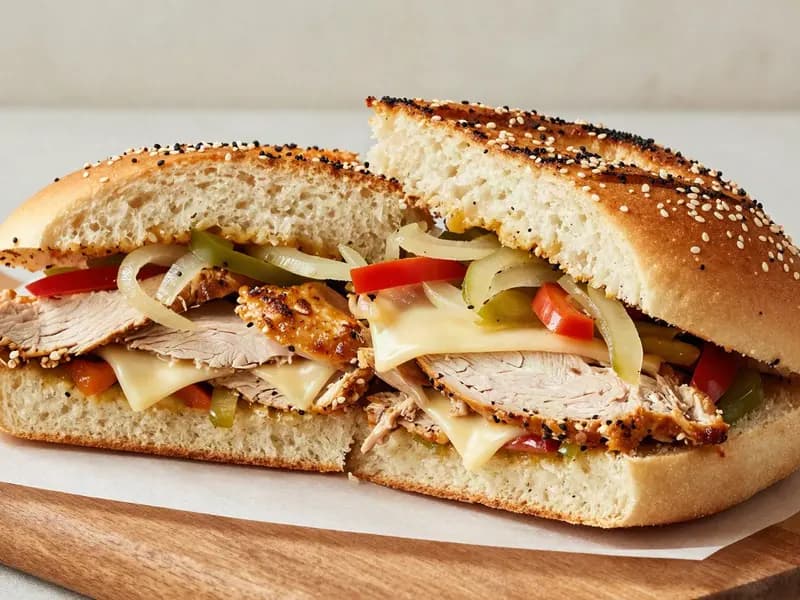
Chicken Cheesesteak at Home: Seared Thigh, Sweet Onions and Melted White American on a Sesame Roll
Oct 26, 2026/3 min read
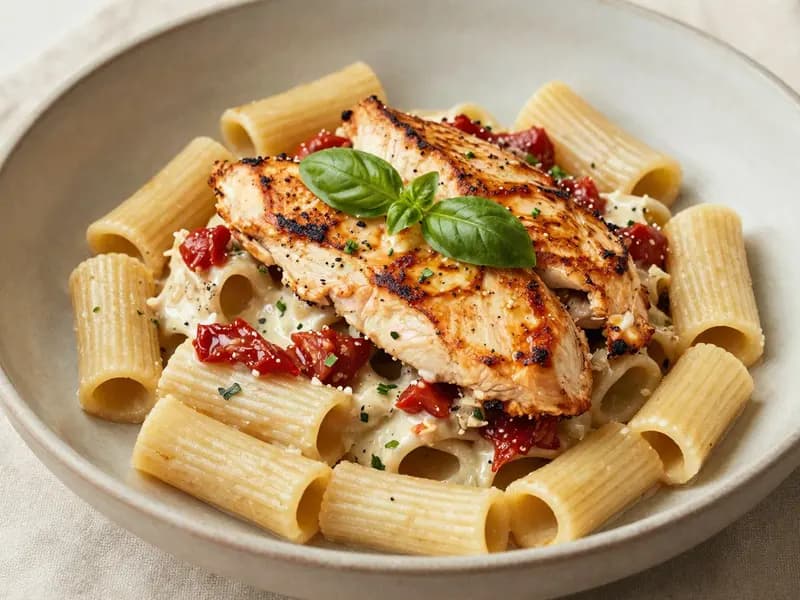
Marry Me Chicken Pasta: Creamy Sun-Dried Tomato Chicken, Ready in 40 Minutes
Oct 23, 2026/4 min read

Cheesy Ramen on the Stove: Instant Noodles in a Real Cheese Sauce in Ten Minutes
Oct 18, 2026/3 min read
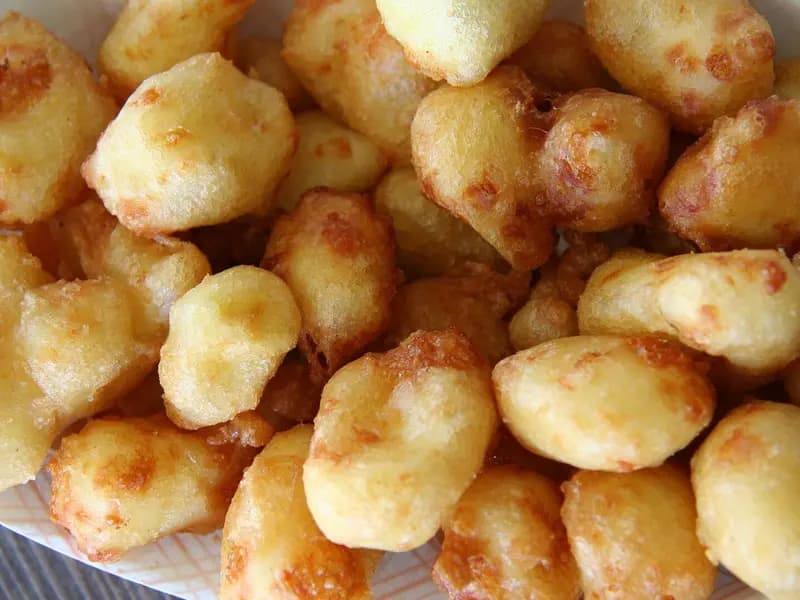
Beer-Battered Jalapeno Cheese Curds: The Wisconsin Bar Snack, Fried Properly at Home
Oct 18, 2026/3 min read